
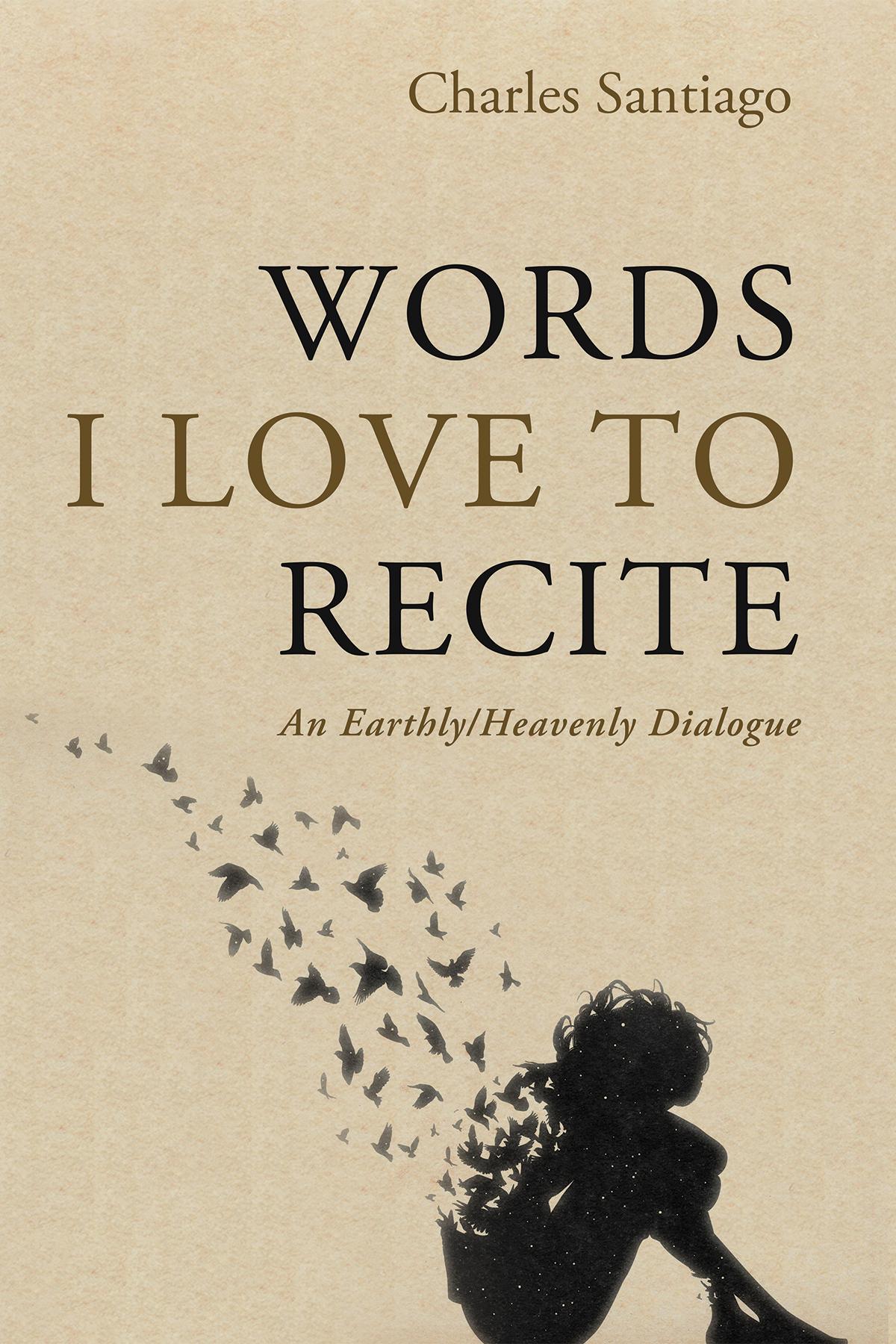
The experience of the afterlife is, normally, considered to take place after death. Death is seen as a wall of partition between those living and those departed. "Dead and gone" are words often used to describe the departed. The writer of these poems was at his wife's bedside when she took her last breath. Anyone observing the horror and desperation the author expressed at that moment would have concluded that he truly believed his wife was dead and gone. In fact, he did believe she was dead and gone. A grief counselor suggested to the new widower that he keep a journal of his experience. He started keeping a journal which, from the start, was a dialogue between him and his "departed" wife. The prose dialogue soon became peppered with poems. The widower began to notice that there were, sometimes, correlations between what was written in the poems and his daily experience. The poems and his daily experience became for the new widower proof enough that the afterlife can be experienced this side of the grave.
Paga facilmente con carta, Klarna, Apple Pay o Google Pay. Non sei soddisfatto? Hai sempre 14 giorni per il rimborso. Leggi di più nei nostri termini. Per qualsiasi domanda, scrivici a hello@memmo.org.
Memmo rende lo studio più facile, ovunque tu sia nel mondo. Qui trovi i tuoi libri di testo e strumenti di studio intelligenti, tutto in un unico posto: riassunti, quiz, podcast e flashcard. E poi c'è Ted, il tuo compagno di studio che risponde a ogni tua domanda. Oltre 50.000 studenti studiano già qui: è stato creato per aiutarti a imparare più velocemente e a stressarti meno.
Potrebbe interessarti anche
Acquista il libro0