
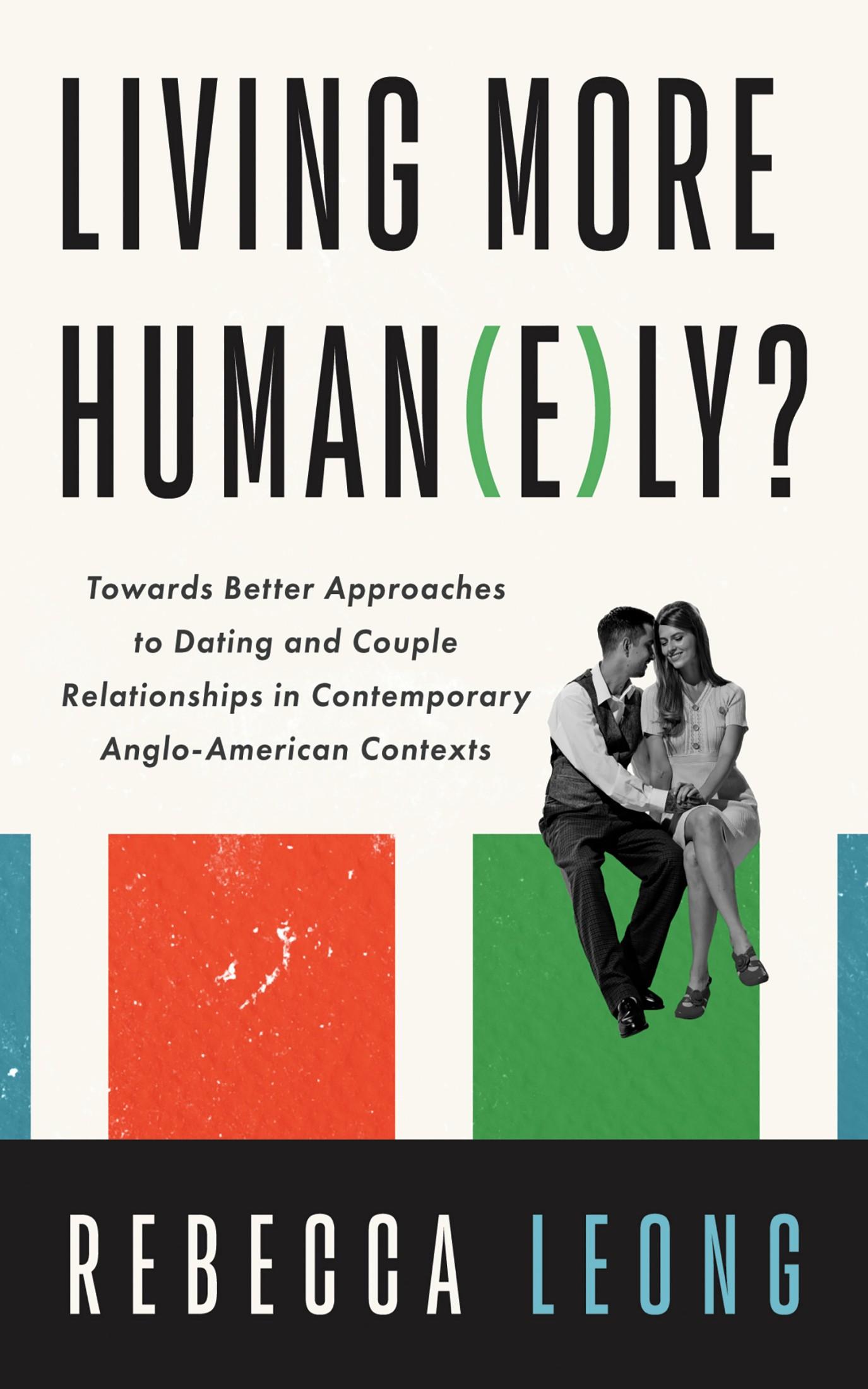
Does it really matter who one chooses to marry and how one makes a choice as to who to marry, or is it basically true that "you always marry the wrong person"? Was Jane Austen right in her portrayals of couples marrying for "love," for "comfort," or for both? What about arranged marriages? Does "the one" exist? How about soulmates?
Will getting involved in casual sex or "hook-up culture" affect one's chances of eventually realizing "happy lifelong monogamy"? Are promoters of "purity culture" basically right that their approach will help lead to happy, lasting marriages? Can there be a way forward through the culture wars? Are dating apps any good?
Virtue ethics is sometimes drawn upon for a dependable approach to couple relationships. But what does this approach consist of, and which "virtues" (as there are potentially very many) should one focus on, particularly when navigating dating culture in contemporary contexts?
What light might theology, history, and the human sciences (including sociology and psychology) shed on these matters? Rebecca Leong offers findings from wide-ranging interdisciplinary studies that address these questions (and more), in the process developing a five-fold ethic and further building blocks for better approaches to dating in contemporary contexts.
Paga facilmente con carta, Klarna, Apple Pay o Google Pay. Non sei soddisfatto? Hai sempre 14 giorni per il rimborso. Leggi di più nei nostri termini. Per qualsiasi domanda, scrivici a hello@memmo.org.
Memmo rende lo studio più facile, ovunque tu sia nel mondo. Qui trovi i tuoi libri di testo e strumenti di studio intelligenti, tutto in un unico posto: riassunti, quiz, podcast e flashcard. E poi c'è Ted, il tuo compagno di studio che risponde a ogni tua domanda. Oltre 50.000 studenti studiano già qui: è stato creato per aiutarti a imparare più velocemente e a stressarti meno.
Potrebbe interessarti anche
Acquista il libro0