
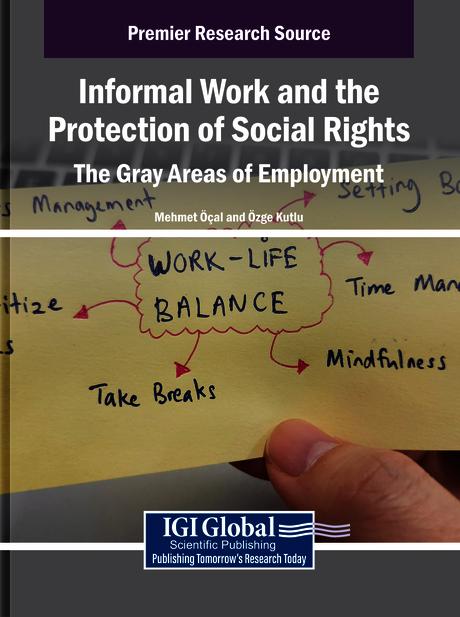
In today's changing job market, informal work becomes prevalent, creating a complex landscape where the lines between traditional employment and self-employment blur. From gig economy workers to freelancers and remote contractors, many individuals now find themselves operating in what could be considered "gray areas" of employment. While these workers enjoy flexibility and autonomy, they also face challenges when it comes to social protections like healthcare, pensions, and labor rights. The absence of clear frameworks to protect these workers' social rights leaves them vulnerable to exploitation and insecurity, raising questions about modern labor laws for better safeguards and well-being. As the world shifts toward more flexible work arrangements, finding ways to bridge these gaps and ensuring fair protection for informal workers is urgent. Informal Work and the Protection of Social Rights: The Gray Areas of Employment explores the causes of informal work, its impact on employers and employees, legal and social dimensions, and necessary regulations in this field. It analyzes how various forms of work fall into gray areas and the broader societal effects of these practices. This book covers topics such as policymaking, social welfare, and tax law, and is a useful resource for policymakers, government officials, business owners, sociologists, academicians, researchers, and scientists.
Paga facilmente con carta, Klarna, Apple Pay o Google Pay. Non sei soddisfatto? Hai sempre 14 giorni per il rimborso. Leggi di più nei nostri termini. Per qualsiasi domanda, scrivici a hello@memmo.org.
Memmo rende lo studio più facile, ovunque tu sia nel mondo. Qui trovi i tuoi libri di testo e strumenti di studio intelligenti, tutto in un unico posto: riassunti, quiz, podcast e flashcard. E poi c'è Ted, il tuo compagno di studio che risponde a ogni tua domanda. Oltre 50.000 studenti studiano già qui: è stato creato per aiutarti a imparare più velocemente e a stressarti meno.
Potrebbe interessarti anche
Acquista il libro0