
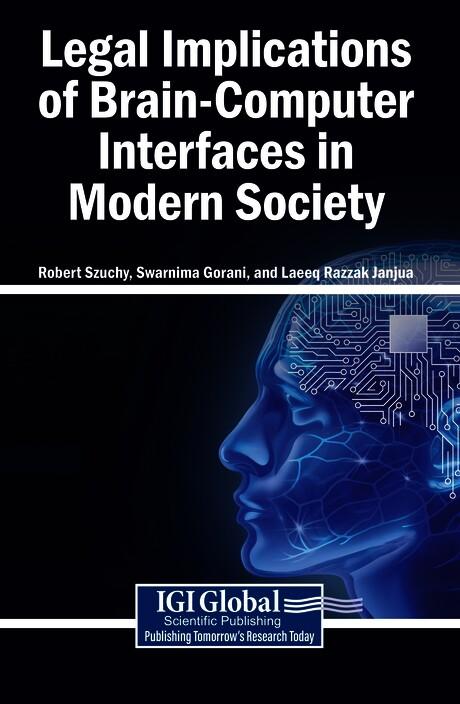
Brain-computer interfaces (BCIs) are advancing quickly, making it increasingly possible to measure, interpret, and, in some cases, influence neural activity directly. As these technologies develop, they can generate highly sensitive neural data that may reveal thoughts, emotions, cognitive patterns, mental health information, and decision-making processes. Because this information may be collected outside traditional medical settings, existing privacy and data protection laws may not fully address the risks involved. Without clear legal safeguards, BCIs could create new opportunities for exploitation, surveillance, discrimination, unauthorized access, and threats to cognitive freedom. It is therefore important to investigate the legal implications of BCIs so that innovation can advance while protecting personal autonomy, mental privacy, and fundamental rights. Legal Implications of Brain-Computer Interfaces in Modern Society critically analyzes the extensive consequences of neurotechnology and brain-computer interfaces on the rights of personal data and mental privacy. It discusses how neural data is generated, regulated, and protected across medical, consumer, employment, law enforcement, and global contexts. Covering topics such as brain hacking, legal admissibility, and neurorights legislation, this book is an excellent resource for legal scholars, privacy law researchers, technology policy experts, neuroethics scholars, data protection professionals, policymakers, legal practitioners, law enforcement professionals, forensic specialists, healthcare technologists, neuroscientists, BCI developers, academicians, and more.
Paga facilmente con carta, Klarna, Apple Pay o Google Pay. Non sei soddisfatto? Hai sempre 14 giorni per il rimborso. Leggi di più nei nostri termini. Per qualsiasi domanda, scrivici a hello@memmo.org.
Memmo rende lo studio più facile, ovunque tu sia nel mondo. Qui trovi i tuoi libri di testo e strumenti di studio intelligenti, tutto in un unico posto: riassunti, quiz, podcast e flashcard. E poi c'è Ted, il tuo compagno di studio che risponde a ogni tua domanda. Oltre 50.000 studenti studiano già qui: è stato creato per aiutarti a imparare più velocemente e a stressarti meno.
Potrebbe interessarti anche
Acquista il libro0