
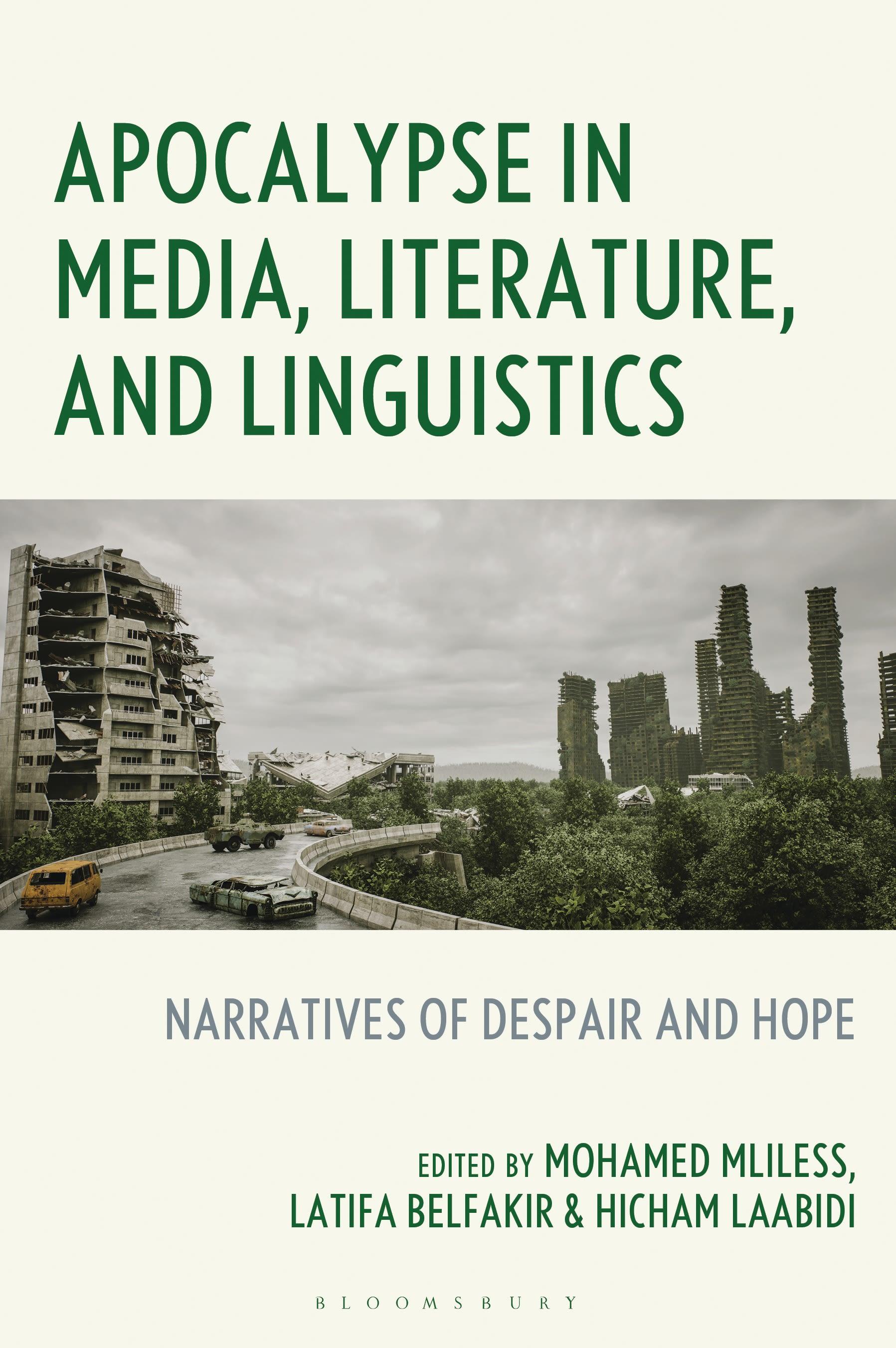
Apocalypse in Media, Literature and Linguistics: Narratives of Despair and Hope argues that apocalyptic stories are not merely genres or headlines; they are cultural technologies that construct environmental crises and channel public response. The volume shows how language and narrative-metaphors, frames, and plotlines-shape ecological identity, moral urgency, and policy choices across fiction, film, journalism, and community activism. Contributors trace how alarmist framings can heighten attention yet also induce paralysis or denial, and how hopeful, justice-oriented discourse can motivate stewardship and collective action. Case studies range from McCarthy's The Road and Atwood's climate fiction to Swahili-language media in Kenya, Brazilian news rhetoric, cinematic reception of The Day After Tomorrow, necropolitics in the Niger Delta, and critiques of anti-apocalyptic techno-optimism. Together, the chapters advance a clear claim: apocalyptic narratives do political work, distributing fear, responsibility, and possibility. The book offers practical analytic tools-drawn from ecolinguistics, critical discourse analysis, cultural studies, and media analysis-for diagnosing destructive framings and designing alternatives that inform without fatalism. It is a timely resource for scholars, educators, journalists, and advocates seeking language that moves audiences from dread to durable, justice-centered action.
Paga facilmente con carta, Klarna, Apple Pay o Google Pay. Non sei soddisfatto? Hai sempre 14 giorni per il rimborso. Leggi di più nei nostri termini. Per qualsiasi domanda, scrivici a hello@memmo.org.
Memmo rende lo studio più facile, ovunque tu sia nel mondo. Qui trovi i tuoi libri di testo e strumenti di studio intelligenti, tutto in un unico posto: riassunti, quiz, podcast e flashcard. E poi c'è Ted, il tuo compagno di studio che risponde a ogni tua domanda. Oltre 50.000 studenti studiano già qui: è stato creato per aiutarti a imparare più velocemente e a stressarti meno.