
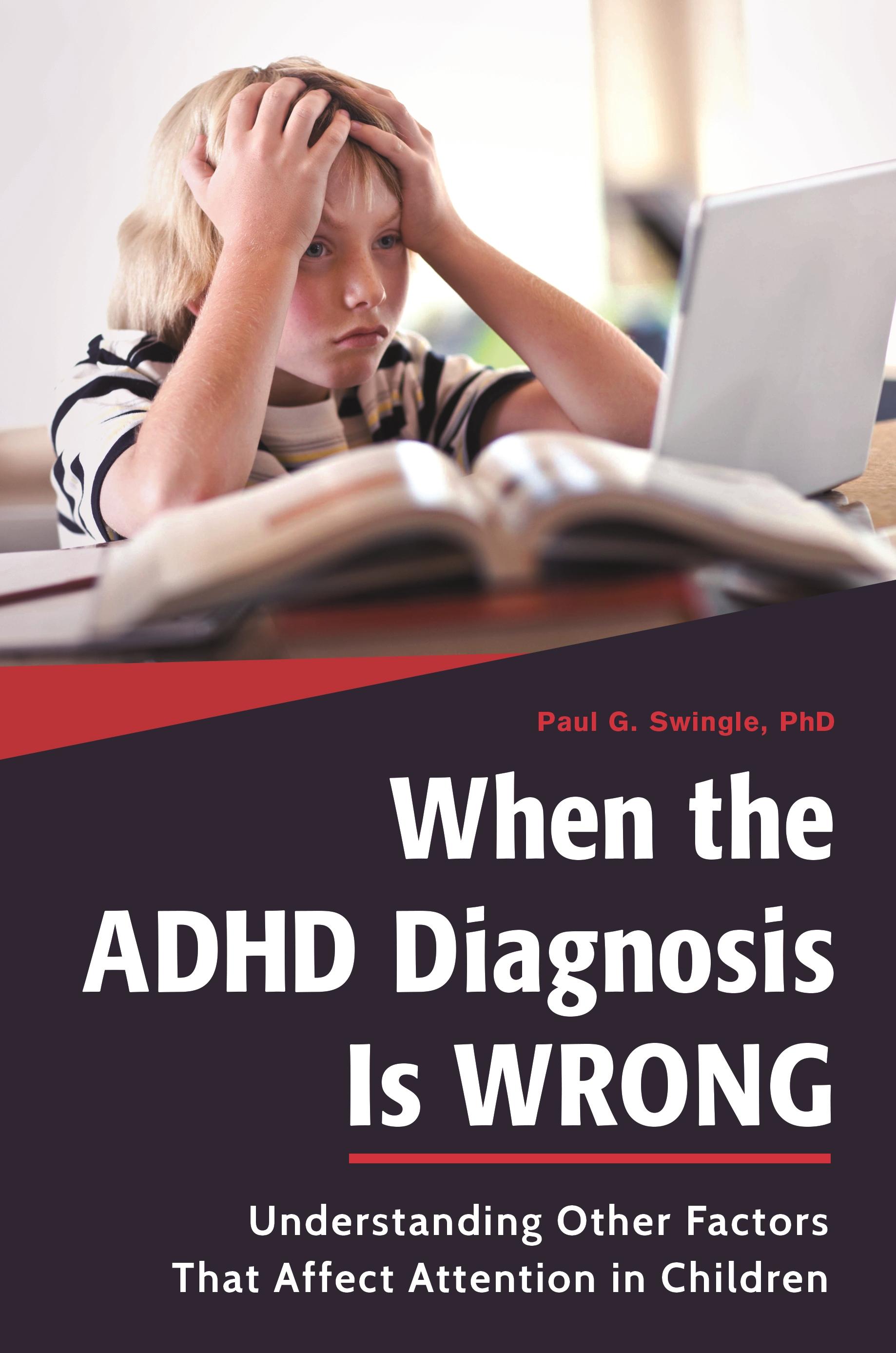
A game-changing resource for parents caught in the labyrinth of the promoted treatments heralding help for troubled children and their families, this book provides readers invaluable guidance in seeking accurate diagnosis and scientifically verified treatment options.
Attention Deficit Hyperactivity Disorder (ADHD) in children is real and can be severely disabling. However, most causes of children's attention problems are unrelated to ADHD and are not resolvable by drugging the child. Treating symptoms is simply not adequate; a completely different approach to the diagnoses and treatment of attention problems in children is necessary. This book identifies the many neurological patterns associated with children's attention challenges, explains the many psychological and physical factors that can affect attention, and describes how to determine if your child needs not medication but other approaches—such as psychological guidance, diet changes, or simply time to develop past childhood—to solve the problem.
Paul G. Swingle, PhD, RPsych, provides millions of parents who are desperate for scientifically sound information about how to help their children with conditions that are negatively impacting their learning, development, and happiness with a resource that is precise, definitive, and easy to read. Illustrated with examples from across his 30 years of practice, Swingle's book informs readers about the many factors that can affect children's attention and can often be treated with drugless approaches and therapy for success. Parents will understand how intolerance of what constitutes normal children's behavior and the failure to recognize the emotional challenges that many children have in our culture today constitute causative factors in the misdiagnosis of attention deficit disorders.
Attention Deficit Hyperactivity Disorder (ADHD) in children is real and can be severely disabling. However, most causes of children's attention problems are unrelated to ADHD and are not resolvable by drugging the child. Treating symptoms is simply not adequate; a completely different approach to the diagnoses and treatment of attention problems in children is necessary. This book identifies the many neurological patterns associated with children's attention challenges, explains the many psychological and physical factors that can affect attention, and describes how to determine if your child needs not medication but other approaches—such as psychological guidance, diet changes, or simply time to develop past childhood—to solve the problem.
Paul G. Swingle, PhD, RPsych, provides millions of parents who are desperate for scientifically sound information about how to help their children with conditions that are negatively impacting their learning, development, and happiness with a resource that is precise, definitive, and easy to read. Illustrated with examples from across his 30 years of practice, Swingle's book informs readers about the many factors that can affect children's attention and can often be treated with drugless approaches and therapy for success. Parents will understand how intolerance of what constitutes normal children's behavior and the failure to recognize the emotional challenges that many children have in our culture today constitute causative factors in the misdiagnosis of attention deficit disorders.
Paga facilmente con carta, Klarna, Apple Pay o Google Pay. Non sei soddisfatto? Hai sempre 14 giorni per il rimborso. Leggi di più nei nostri termini. Per qualsiasi domanda, scrivici a hello@memmo.org.
Memmo rende lo studio più facile, ovunque tu sia nel mondo. Qui trovi i tuoi libri di testo e strumenti di studio intelligenti, tutto in un unico posto: riassunti, quiz, podcast e flashcard. E poi c'è Ted, il tuo compagno di studio che risponde a ogni tua domanda. Oltre 50.000 studenti studiano già qui: è stato creato per aiutarti a imparare più velocemente e a stressarti meno.