
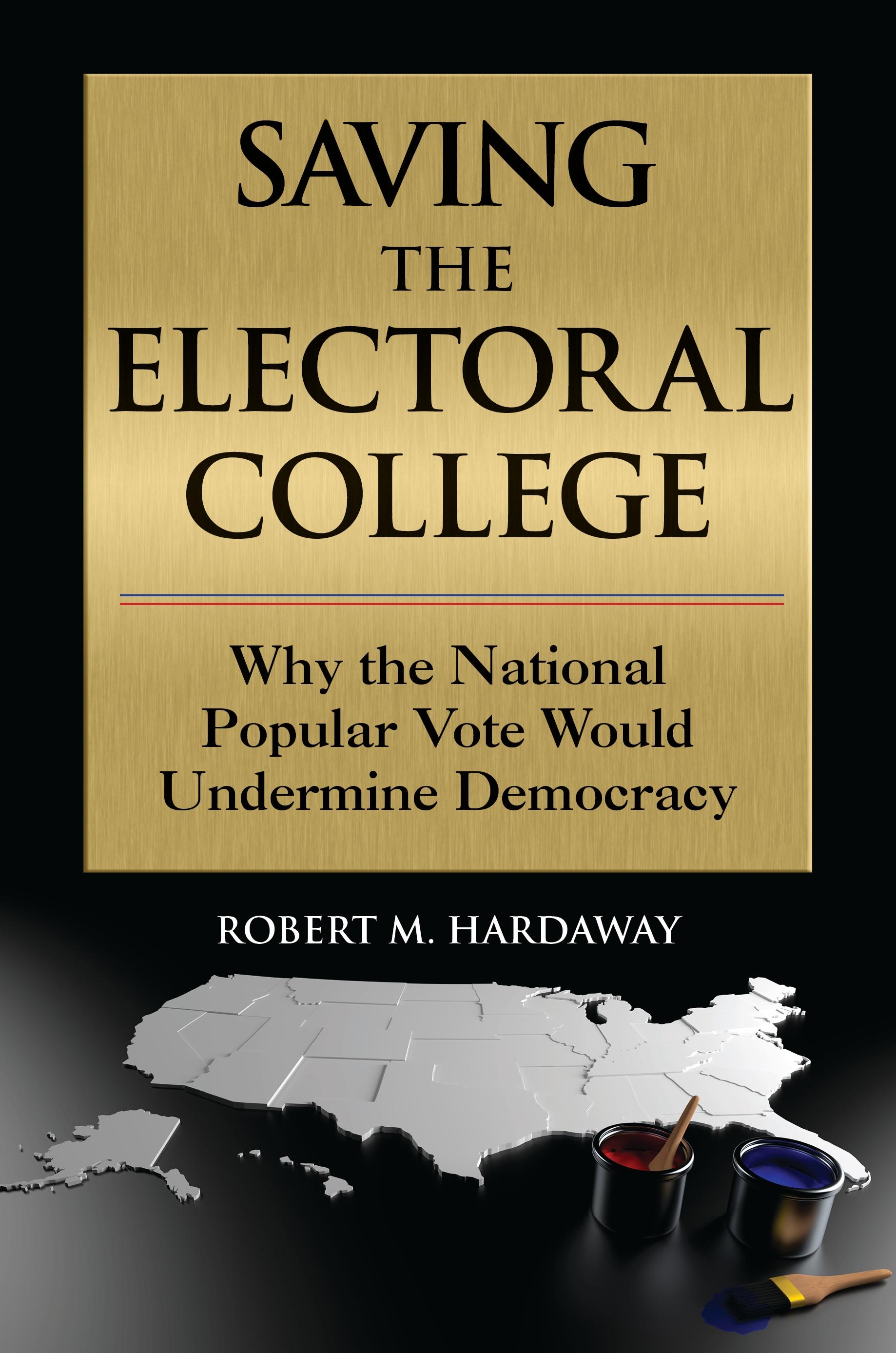
The 2016 election caused many pundits and citizens alike to decry the Electoral College. This book explains the dangerous and unconstitutional implications of the National Popular Vote Bill, which is quietly passing in state houses across the nation.
Ever since the Founding Fathers created the Electoral College, Congress has tried to overturn it. The latest attempt is taking place not in Congress, but in state legislatures around the country, where a well-financed campaign by a private California group calling itself "National Popular Vote" (NPV) is proposing an "interstate compact" to circumvent the process for amending the U.S. Constitution. If adopted by states representing a majority of electoral votes, the signatory states would bind themselves to ignore the popular votes within their respective states, and instead allocate their electoral votes to the candidate whom the media proclaimed to be the "national popular vote" winner.
In this new history of the Electoral College, law professor Robert M. Hardaway lays bare the constitutional loopholes that have allowed this movement to succeed in states representing approximately half the electoral votes necessary to purportedly bind those states to ignore the popular vote of the people within their respective states. The presentation of the information in this book to state legislatures considering the compact, resulted in complete reversal of preconceived perceptions about how presidential elections should be conducted.
Ever since the Founding Fathers created the Electoral College, Congress has tried to overturn it. The latest attempt is taking place not in Congress, but in state legislatures around the country, where a well-financed campaign by a private California group calling itself "National Popular Vote" (NPV) is proposing an "interstate compact" to circumvent the process for amending the U.S. Constitution. If adopted by states representing a majority of electoral votes, the signatory states would bind themselves to ignore the popular votes within their respective states, and instead allocate their electoral votes to the candidate whom the media proclaimed to be the "national popular vote" winner.
In this new history of the Electoral College, law professor Robert M. Hardaway lays bare the constitutional loopholes that have allowed this movement to succeed in states representing approximately half the electoral votes necessary to purportedly bind those states to ignore the popular vote of the people within their respective states. The presentation of the information in this book to state legislatures considering the compact, resulted in complete reversal of preconceived perceptions about how presidential elections should be conducted.
Paga facilmente con carta, Klarna, Apple Pay o Google Pay. Non sei soddisfatto? Hai sempre 14 giorni per il rimborso. Leggi di più nei nostri termini. Per qualsiasi domanda, scrivici a hello@memmo.org.
Memmo rende lo studio più facile, ovunque tu sia nel mondo. Qui trovi i tuoi libri di testo e strumenti di studio intelligenti, tutto in un unico posto: riassunti, quiz, podcast e flashcard. E poi c'è Ted, il tuo compagno di studio che risponde a ogni tua domanda. Oltre 50.000 studenti studiano già qui: è stato creato per aiutarti a imparare più velocemente e a stressarti meno.