
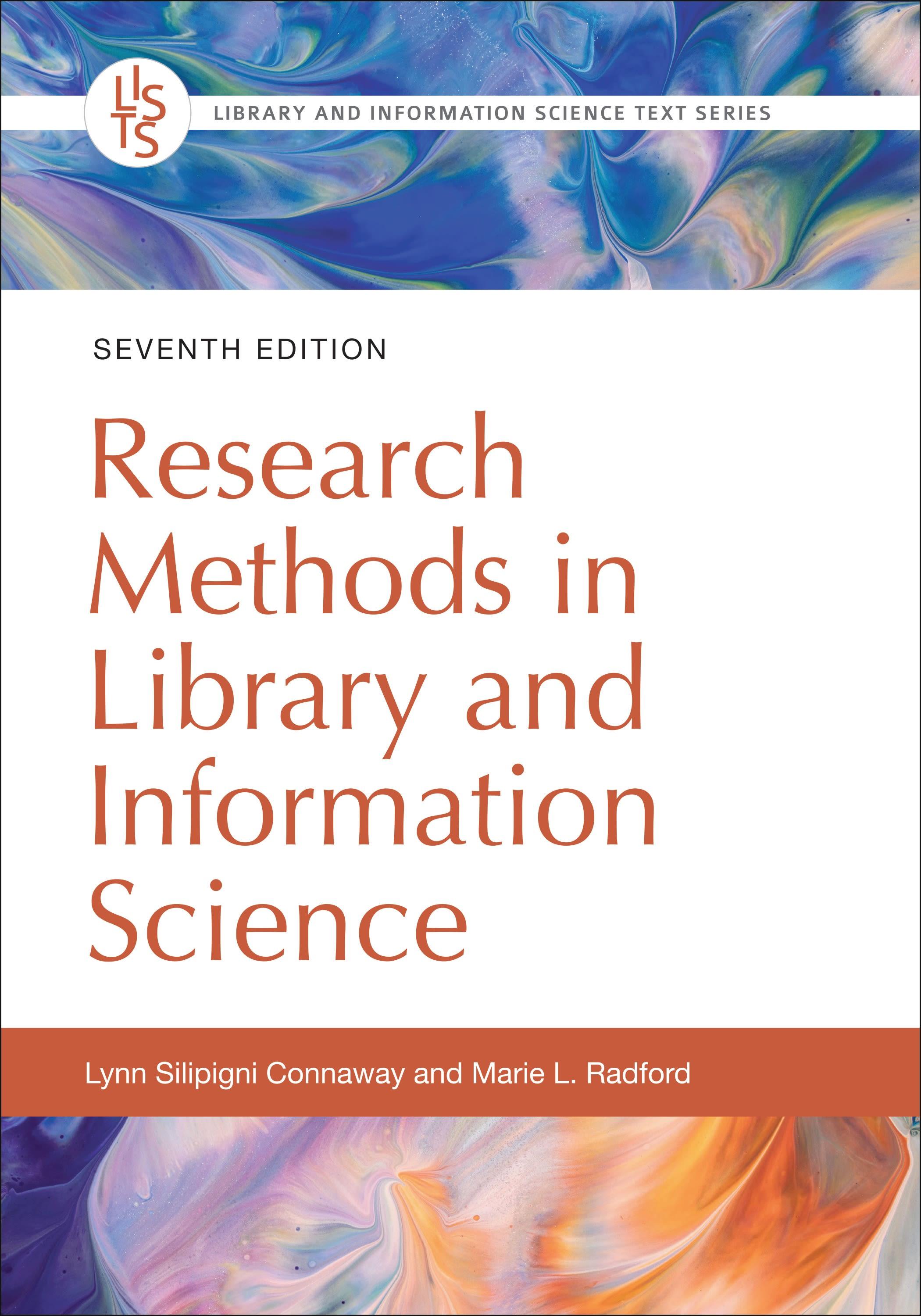
The seventh edition of this frequently adopted textbook features new or expanded sections on social justice research, data analysis software, scholarly identity research, social networking, data science, and data visualization, among other topics. It continues to include discipline experts' voices.
The revised seventh edition of this popular text provides instruction and guidance for professionals and students in library and information science who want to conduct research and publish findings, as well as for practicing professionals who want a broad overview of the current literature.
Providing a broad introduction to research design, the authors include principles, data collection techniques, and analyses of quantitative and qualitative methods, as well as advantages and limitations of each method and updated bibliographies. Chapters cover the scientific method, sampling, validity, reliability, and ethical concerns along with quantitative and qualitative methods. LIS students and professionals will consult this text not only for instruction on conducting research but also for guidance in critically reading and evaluating research publications, proposals, and reports.
As in the previous edition, discipline experts provide advice, tips, and strategies for completing research projects, dissertations, and theses; writing grants; overcoming writer's block; collaborating with colleagues; and working with outside consultants. Journal and book editors discuss how to publish and identify best practices and understudied topics, as well as what they look for in submissions.
The revised seventh edition of this popular text provides instruction and guidance for professionals and students in library and information science who want to conduct research and publish findings, as well as for practicing professionals who want a broad overview of the current literature.
Providing a broad introduction to research design, the authors include principles, data collection techniques, and analyses of quantitative and qualitative methods, as well as advantages and limitations of each method and updated bibliographies. Chapters cover the scientific method, sampling, validity, reliability, and ethical concerns along with quantitative and qualitative methods. LIS students and professionals will consult this text not only for instruction on conducting research but also for guidance in critically reading and evaluating research publications, proposals, and reports.
As in the previous edition, discipline experts provide advice, tips, and strategies for completing research projects, dissertations, and theses; writing grants; overcoming writer's block; collaborating with colleagues; and working with outside consultants. Journal and book editors discuss how to publish and identify best practices and understudied topics, as well as what they look for in submissions.
Paga facilmente con carta, Klarna, Apple Pay o Google Pay. Non sei soddisfatto? Hai sempre 14 giorni per il rimborso. Leggi di più nei nostri termini. Per qualsiasi domanda, scrivici a hello@memmo.org.
Memmo rende lo studio più facile, ovunque tu sia nel mondo. Qui trovi i tuoi libri di testo e strumenti di studio intelligenti, tutto in un unico posto: riassunti, quiz, podcast e flashcard. E poi c'è Ted, il tuo compagno di studio che risponde a ogni tua domanda. Oltre 50.000 studenti studiano già qui: è stato creato per aiutarti a imparare più velocemente e a stressarti meno.