
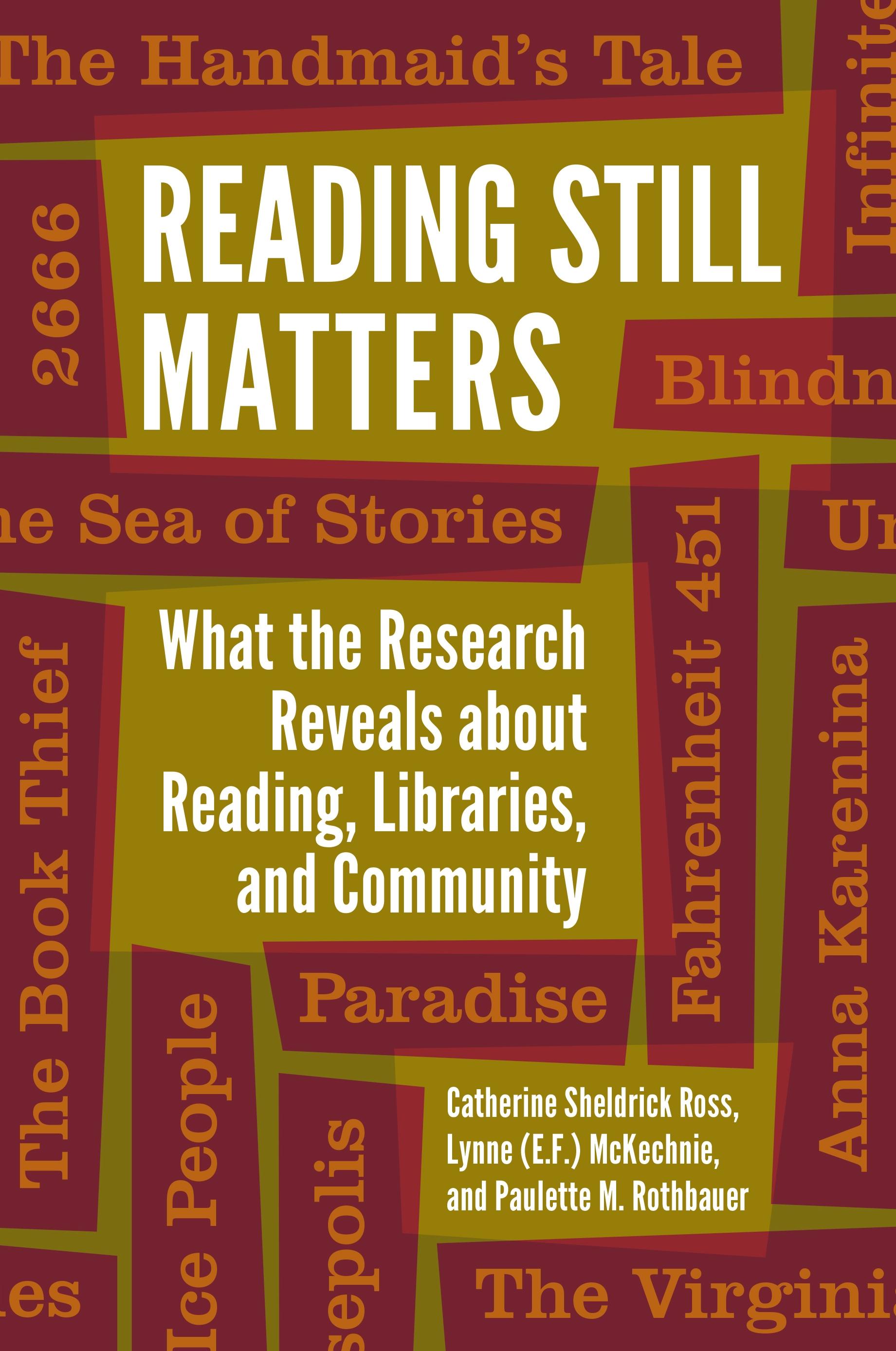
Drawing on scholarly research findings, this book presents a cogent case that librarians can use to work towards prioritization of reading in libraries and in schools.
Reading is more important than it has ever been—recent research on reading, such as PEW reports and Scholastic's "Kids and Family Reading Report," proves that fact. This new edition of Reading Matters provides powerful evidence that can be used to justify the establishment, maintenance, and growth of pleasure reading collections, both fiction and nonfiction, and of readers' advisory services. The authors assert that reading should be woven into the majority of library activities: reference, collection building, provision of leisure materials, readers' advisory services, storytelling and story time programs, adult literacy programs, and more.
This edition also addresses emergent areas of interest, such as e-reading, e-writing, and e-publishing; multiple literacies; visual texts; the ascendancy of young adult fiction; and fan fiction. A new chapter addresses special communities of YA readers. The book will help library administrators and personnel convey the importance of reading to grant-funding agencies, stakeholders, and the public at large. LIS faculty who wish to establish and maintain courses in readers' advisory will find it of particular interest.
Reading is more important than it has ever been—recent research on reading, such as PEW reports and Scholastic's "Kids and Family Reading Report," proves that fact. This new edition of Reading Matters provides powerful evidence that can be used to justify the establishment, maintenance, and growth of pleasure reading collections, both fiction and nonfiction, and of readers' advisory services. The authors assert that reading should be woven into the majority of library activities: reference, collection building, provision of leisure materials, readers' advisory services, storytelling and story time programs, adult literacy programs, and more.
This edition also addresses emergent areas of interest, such as e-reading, e-writing, and e-publishing; multiple literacies; visual texts; the ascendancy of young adult fiction; and fan fiction. A new chapter addresses special communities of YA readers. The book will help library administrators and personnel convey the importance of reading to grant-funding agencies, stakeholders, and the public at large. LIS faculty who wish to establish and maintain courses in readers' advisory will find it of particular interest.
Paga facilmente con carta, Klarna, Apple Pay o Google Pay. Non sei soddisfatto? Hai sempre 14 giorni per il rimborso. Leggi di più nei nostri termini. Per qualsiasi domanda, scrivici a hello@memmo.org.
Memmo rende lo studio più facile, ovunque tu sia nel mondo. Qui trovi i tuoi libri di testo e strumenti di studio intelligenti, tutto in un unico posto: riassunti, quiz, podcast e flashcard. E poi c'è Ted, il tuo compagno di studio che risponde a ogni tua domanda. Oltre 50.000 studenti studiano già qui: è stato creato per aiutarti a imparare più velocemente e a stressarti meno.