
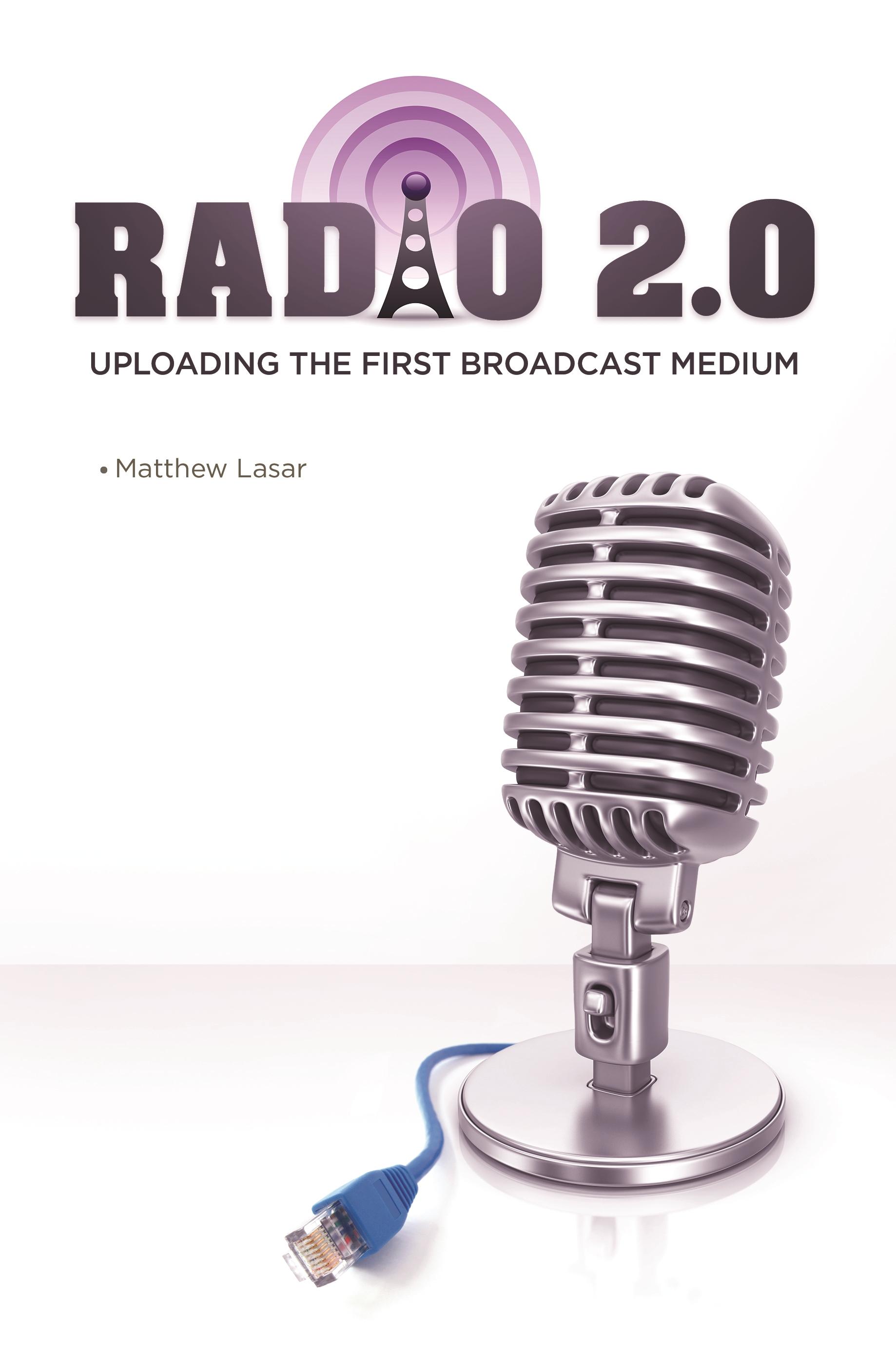
Welcome to the uncertain world of "Radio 2.0"—where podcasts, mobile streaming, and huge music databases are the new reality, as are tweeting deejays and Apple's Siri serving as music announcer—and understand the exciting status this medium has, and will continue to have, in our digitally inclined society.
How did popular radio in past decades—from President Franklin D. Roosevelt's "Fireside Chats" in the 1930s through Top 40 music and Rush Limbaugh's talk radio empire—shape American society? How did devices and systems like the iPhone, Pandora, and YouTube turn the radio industry upside-down? Does radio still have a future, and if so, what will we want it to look like?
Radio 2.0: Uploading the First Broadcast Medium covers the history and evolution of Internet radio, explaining what came before, where Internet radio came from, and where it is likely headed. It also gives readers a frame of reference by describing radio from its introduction to American audiences in the 1920s—a medium that brought people together through a common experience of the same broadcast—and shows how technologies like digital music and streaming music services put into question the very definition of "radio." By examining new radio and media technologies, the book explores an important societal trend: the shift of media toward individualized or personalized forms of consumption.
How did popular radio in past decades—from President Franklin D. Roosevelt's "Fireside Chats" in the 1930s through Top 40 music and Rush Limbaugh's talk radio empire—shape American society? How did devices and systems like the iPhone, Pandora, and YouTube turn the radio industry upside-down? Does radio still have a future, and if so, what will we want it to look like?
Radio 2.0: Uploading the First Broadcast Medium covers the history and evolution of Internet radio, explaining what came before, where Internet radio came from, and where it is likely headed. It also gives readers a frame of reference by describing radio from its introduction to American audiences in the 1920s—a medium that brought people together through a common experience of the same broadcast—and shows how technologies like digital music and streaming music services put into question the very definition of "radio." By examining new radio and media technologies, the book explores an important societal trend: the shift of media toward individualized or personalized forms of consumption.
Pagine: 208
Categoria: Film- & Medievetenskap
e-ISBN: 9798216135500
Peso di spedizione: 1.2 kg
Spedito in: 1-2 giorni
Paga facilmente con carta, Klarna, Apple Pay o Google Pay. Non sei soddisfatto? Hai sempre 14 giorni per il rimborso. Leggi di più nei nostri termini. Per qualsiasi domanda, scrivici a hello@memmo.org.
Memmo rende lo studio più facile, ovunque tu sia nel mondo. Qui trovi i tuoi libri di testo e strumenti di studio intelligenti, tutto in un unico posto: riassunti, quiz, podcast e flashcard. E poi c'è Ted, il tuo compagno di studio che risponde a ogni tua domanda. Oltre 50.000 studenti studiano già qui: è stato creato per aiutarti a imparare più velocemente e a stressarti meno.