
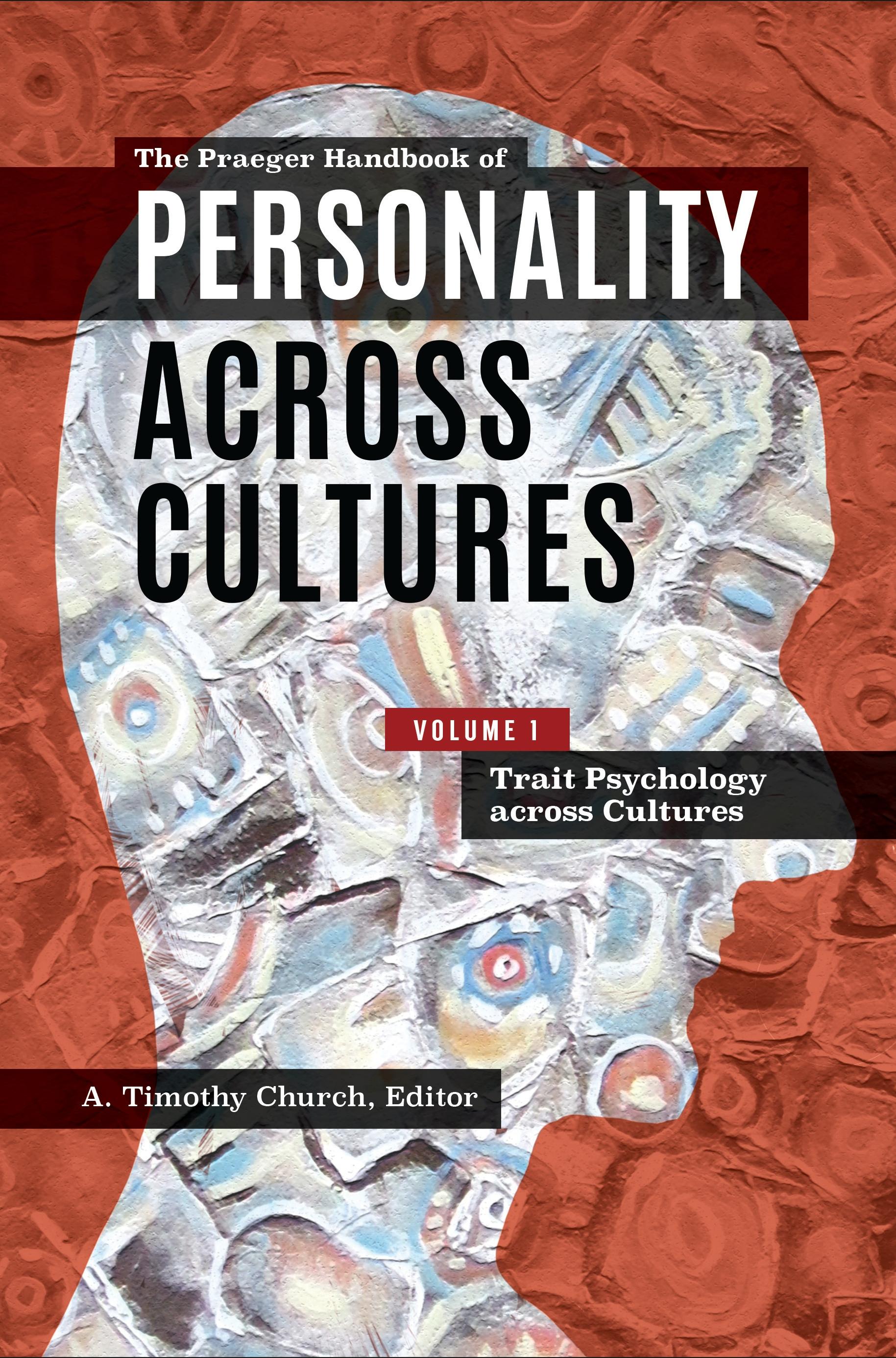
This important multivolume work sheds light on current—and future—research on cultural universals and differences in personality in their evolutionary, ecological, and cultural contexts.
How does culture impact personality traits? To answer that question, the three volumes in this set address current theory and research on culture and personality in an effort to determine how people differ—and how they are alike. Detailed chapters by scholars from around the world unveil a fascinating picture of the relationship between culture and important aspects of personality. They also address the accuracy or meaningfulness of trait comparisons across cultures and the methods and limitations of research on the subject. As most psychological research is conducted on participants from Western industrialized countries, a work that includes a wide range of cultures not only fosters a more complete understanding of human personality, but also broadens perspectives on value systems and ways to live.
Each of the three volumes concentrates on distinct areas of research, exposing the reader to the diverse theoretical and empirical approaches and topics in the field. Volume 1 focuses on the cross-cultural study of personality dispositions or traits. Volume 2 examines the relationship between culture and other important aspects of personality, including the self, emotions, motives, values, beliefs, and life narratives, as well as aspects of personality and adjustment associated with biculturalism and intercultural competence. Volume 3 looks at evolutionary, genetic, and neuroscience perspectives on personality across cultures along with ecological and cultural influences. In addition to providing readers with a thorough analysis of current and future directions for research, this unrivaled work brings together multiple perspectives on personality across cultures, thereby promoting a more integrative understanding of this important topic.
How does culture impact personality traits? To answer that question, the three volumes in this set address current theory and research on culture and personality in an effort to determine how people differ—and how they are alike. Detailed chapters by scholars from around the world unveil a fascinating picture of the relationship between culture and important aspects of personality. They also address the accuracy or meaningfulness of trait comparisons across cultures and the methods and limitations of research on the subject. As most psychological research is conducted on participants from Western industrialized countries, a work that includes a wide range of cultures not only fosters a more complete understanding of human personality, but also broadens perspectives on value systems and ways to live.
Each of the three volumes concentrates on distinct areas of research, exposing the reader to the diverse theoretical and empirical approaches and topics in the field. Volume 1 focuses on the cross-cultural study of personality dispositions or traits. Volume 2 examines the relationship between culture and other important aspects of personality, including the self, emotions, motives, values, beliefs, and life narratives, as well as aspects of personality and adjustment associated with biculturalism and intercultural competence. Volume 3 looks at evolutionary, genetic, and neuroscience perspectives on personality across cultures along with ecological and cultural influences. In addition to providing readers with a thorough analysis of current and future directions for research, this unrivaled work brings together multiple perspectives on personality across cultures, thereby promoting a more integrative understanding of this important topic.
Paga facilmente con carta, Klarna, Apple Pay o Google Pay. Non sei soddisfatto? Hai sempre 14 giorni per il rimborso. Leggi di più nei nostri termini. Per qualsiasi domanda, scrivici a hello@memmo.org.
Memmo rende lo studio più facile, ovunque tu sia nel mondo. Qui trovi i tuoi libri di testo e strumenti di studio intelligenti, tutto in un unico posto: riassunti, quiz, podcast e flashcard. E poi c'è Ted, il tuo compagno di studio che risponde a ogni tua domanda. Oltre 50.000 studenti studiano già qui: è stato creato per aiutarti a imparare più velocemente e a stressarti meno.