
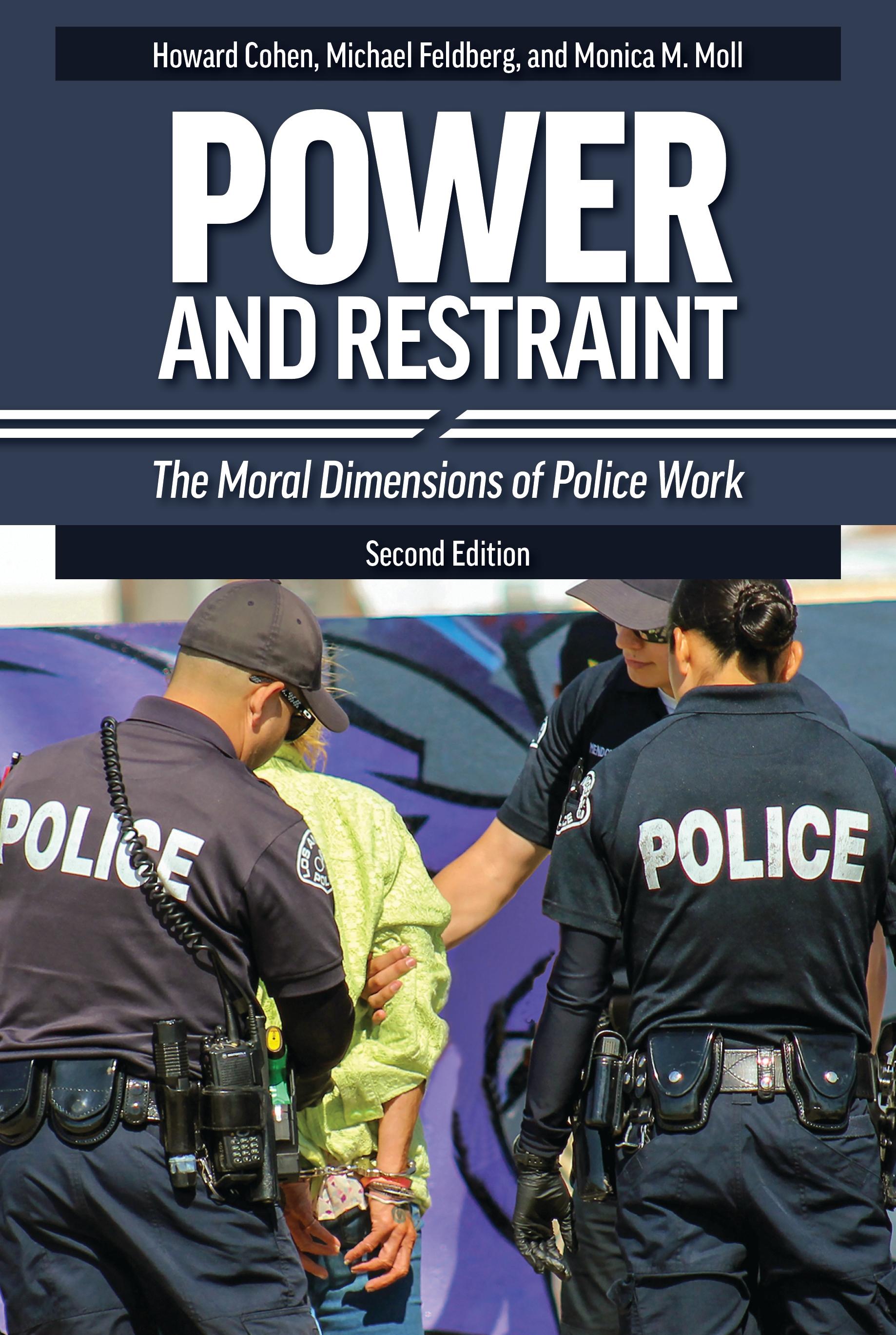
Thoroughly revised and updated, this edition of the classic casebook on police ethics explores the moral complexities of situations faced by law enforcement officers every day across the United States.
This updated edition of Power and Restraint maintains its place as a leading set of standards for evaluating police behavior. It extends our understanding of the basis of police accountability by grounding it in principles of the social contract and constitutional democracy. It applies the standards of fair access, public trust, public safety first, role discipline, and neutral professionalism to a variety of modern policing situations that help identify best practices and increase understanding of the challenges of policing in 21st-century America.
Power and Restraint first locates itself in the context of other significant studies by scholars from various disciplines on moral issues in police work. Next, it establishes a foundation for moral evaluation of police work grounded in social contract theory as expressed in the U.S. Constitution and Declaration of Independence. Third, the authors generate five standards derived from the social contract for judging the actions of police. In the second half of the book, the reader is asked to apply these standards to a variety of typical but morally ambiguous policing situations.
This updated edition of Power and Restraint maintains its place as a leading set of standards for evaluating police behavior. It extends our understanding of the basis of police accountability by grounding it in principles of the social contract and constitutional democracy. It applies the standards of fair access, public trust, public safety first, role discipline, and neutral professionalism to a variety of modern policing situations that help identify best practices and increase understanding of the challenges of policing in 21st-century America.
Power and Restraint first locates itself in the context of other significant studies by scholars from various disciplines on moral issues in police work. Next, it establishes a foundation for moral evaluation of police work grounded in social contract theory as expressed in the U.S. Constitution and Declaration of Independence. Third, the authors generate five standards derived from the social contract for judging the actions of police. In the second half of the book, the reader is asked to apply these standards to a variety of typical but morally ambiguous policing situations.
Paga facilmente con carta, Klarna, Apple Pay o Google Pay. Non sei soddisfatto? Hai sempre 14 giorni per il rimborso. Leggi di più nei nostri termini. Per qualsiasi domanda, scrivici a hello@memmo.org.
Memmo rende lo studio più facile, ovunque tu sia nel mondo. Qui trovi i tuoi libri di testo e strumenti di studio intelligenti, tutto in un unico posto: riassunti, quiz, podcast e flashcard. E poi c'è Ted, il tuo compagno di studio che risponde a ogni tua domanda. Oltre 50.000 studenti studiano già qui: è stato creato per aiutarti a imparare più velocemente e a stressarti meno.