
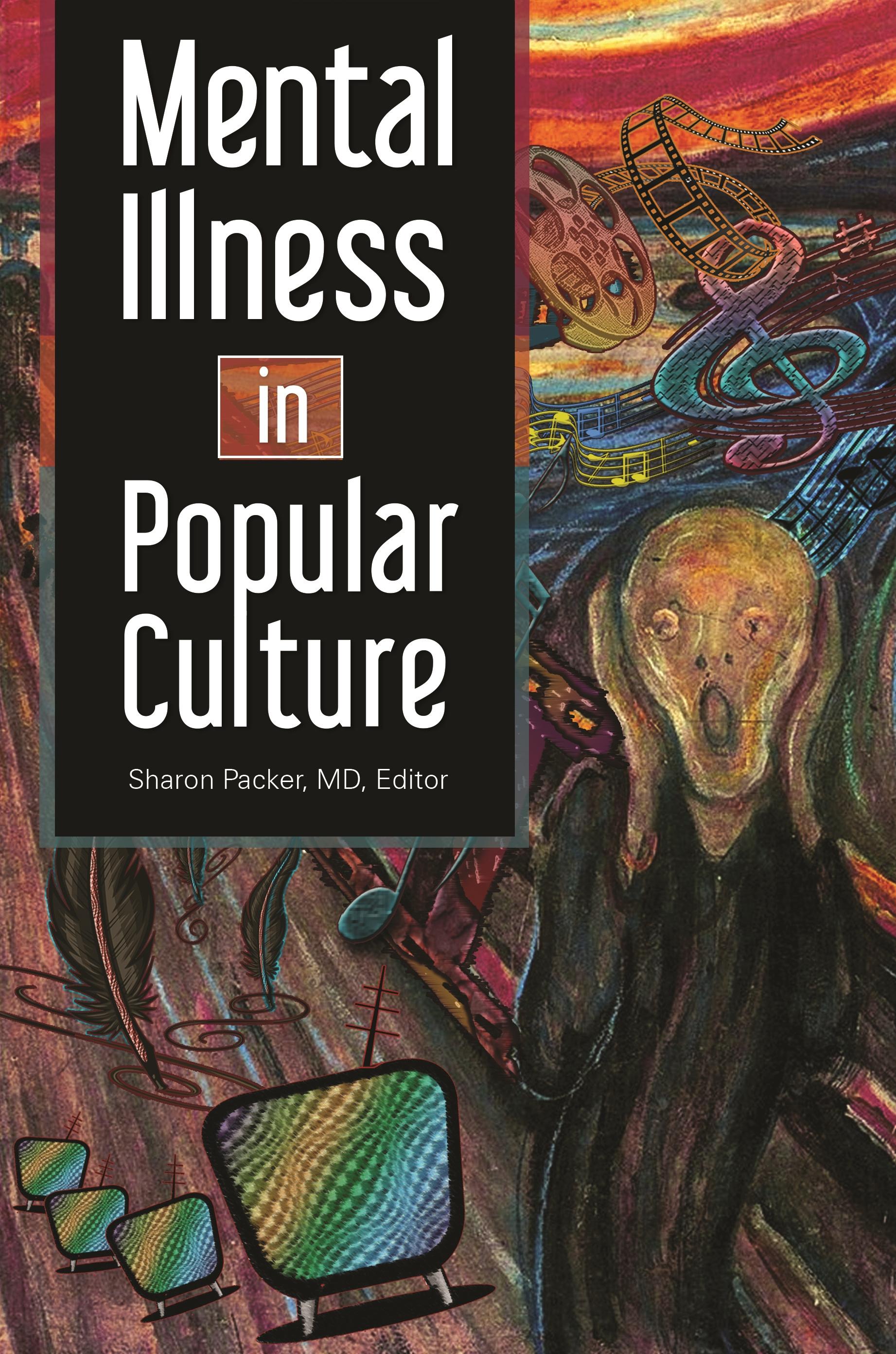
"Being crazy" is generally a negative characterization today, yet many celebrated artists, leaders, and successful individuals have achieved greatness despite suffering from mental illness. This book explores the many different representations of mental illness that exist—and sometimes persist—in both traditional and new media across eras.
Mental health professionals and advocates typically point a finger at pop culture for sensationalizing and stigmatizing mental illness, perpetuating stereotypes, and capitalizing on the increased anxiety that invariably follows mass shootings at schools, military bases, or workplaces; on public transportation; or at large public gatherings. While drugs or street gangs were once most often blamed for public violence, the upswing of psychotic perpetrators casts a harsher light on mental illness and commands media's attention. What aspects of popular culture could play a role in mental health across the nation? How accurate and influential are the various media representations of mental illness? Or are there unsung positive portrayals of mental illness?
This standout work on the intersections of pop culture and mental illness brings informed perspectives and necessary context to the myriad topics within these important, timely, and controversial issues. Divided into five sections, the book covers movies; television; popular literature, encompassing novels, poetry, and memoirs; the visual arts, such as fine art, video games, comics, and graphic novels; and popular music, addressing lyrics and musicians' lives. Some of the essays reference multiple media, such as a filmic adaptation of a memoir or a video game adaptation of a story or characters that were originally in comics. With roughly 20 percent of U.S. citizens taking psychotropic prescriptions or carrying a psychiatric diagnosis, this timely topic is relevant to far more individuals than many people would admit.
Mental health professionals and advocates typically point a finger at pop culture for sensationalizing and stigmatizing mental illness, perpetuating stereotypes, and capitalizing on the increased anxiety that invariably follows mass shootings at schools, military bases, or workplaces; on public transportation; or at large public gatherings. While drugs or street gangs were once most often blamed for public violence, the upswing of psychotic perpetrators casts a harsher light on mental illness and commands media's attention. What aspects of popular culture could play a role in mental health across the nation? How accurate and influential are the various media representations of mental illness? Or are there unsung positive portrayals of mental illness?
This standout work on the intersections of pop culture and mental illness brings informed perspectives and necessary context to the myriad topics within these important, timely, and controversial issues. Divided into five sections, the book covers movies; television; popular literature, encompassing novels, poetry, and memoirs; the visual arts, such as fine art, video games, comics, and graphic novels; and popular music, addressing lyrics and musicians' lives. Some of the essays reference multiple media, such as a filmic adaptation of a memoir or a video game adaptation of a story or characters that were originally in comics. With roughly 20 percent of U.S. citizens taking psychotropic prescriptions or carrying a psychiatric diagnosis, this timely topic is relevant to far more individuals than many people would admit.
Pagine: 392
Categoria: Film- & Medievetenskap
e-ISBN: 9798216116806
Peso di spedizione: 1.2 kg
Spedito in: 1-2 giorni
Paga facilmente con carta, Klarna, Apple Pay o Google Pay. Non sei soddisfatto? Hai sempre 14 giorni per il rimborso. Leggi di più nei nostri termini. Per qualsiasi domanda, scrivici a hello@memmo.org.
Memmo rende lo studio più facile, ovunque tu sia nel mondo. Qui trovi i tuoi libri di testo e strumenti di studio intelligenti, tutto in un unico posto: riassunti, quiz, podcast e flashcard. E poi c'è Ted, il tuo compagno di studio che risponde a ogni tua domanda. Oltre 50.000 studenti studiano già qui: è stato creato per aiutarti a imparare più velocemente e a stressarti meno.