
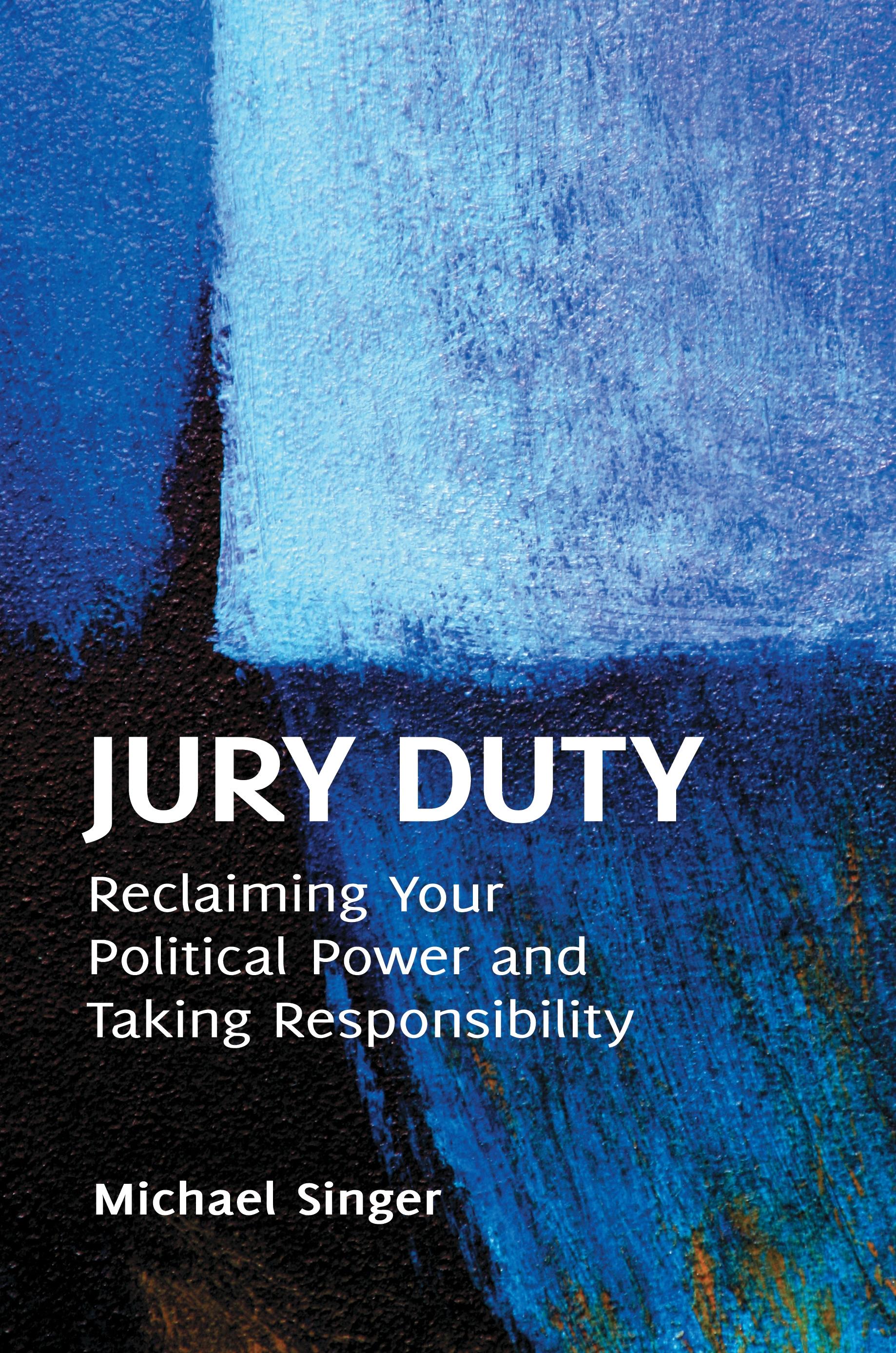
Written by a legal scholar for the general reader, this book demystifies the institution of the jury and validates its political power, providing valuable insights for the more than 30 million Americans who receive a jury summons each year.
Jury Duty: Reclaiming Your Political Power and Taking Responsibility presents an accessible account of the origins and development of the jury system as well as a comprehensive, stage-by-stage description of a jury trial and of the sentencing procedure in a criminal trial. The work also provides a unique estimate of the cost of the jury system, which is particularly relevant in this continuing era of budget constraints.
Rejecting the justifications usually given for the jury system, the work explains how the political roles of the jury constitute the chief value of the jury system. The basis of these political roles is the unquestionable power of the jury to acquit even a guilty criminal defendant, which allows juries to prevent the enforcement of unjust laws and the imposition of unjust punishments. Accordingly, the book challenges a range of practices that the judiciary has developed to obstruct the jury's exercise of this power. Most people—even including many lawyers—remain unaware of these practices, but they undermine the value of the jury system to our society. Finally, the book offers an original, thought-provoking analysis of the responsibilities imposed on criminal trial jurors in cases of compelling injustice.
Jury Duty: Reclaiming Your Political Power and Taking Responsibility presents an accessible account of the origins and development of the jury system as well as a comprehensive, stage-by-stage description of a jury trial and of the sentencing procedure in a criminal trial. The work also provides a unique estimate of the cost of the jury system, which is particularly relevant in this continuing era of budget constraints.
Rejecting the justifications usually given for the jury system, the work explains how the political roles of the jury constitute the chief value of the jury system. The basis of these political roles is the unquestionable power of the jury to acquit even a guilty criminal defendant, which allows juries to prevent the enforcement of unjust laws and the imposition of unjust punishments. Accordingly, the book challenges a range of practices that the judiciary has developed to obstruct the jury's exercise of this power. Most people—even including many lawyers—remain unaware of these practices, but they undermine the value of the jury system to our society. Finally, the book offers an original, thought-provoking analysis of the responsibilities imposed on criminal trial jurors in cases of compelling injustice.
Paga facilmente con carta, Klarna, Apple Pay o Google Pay. Non sei soddisfatto? Hai sempre 14 giorni per il rimborso. Leggi di più nei nostri termini. Per qualsiasi domanda, scrivici a hello@memmo.org.
Memmo rende lo studio più facile, ovunque tu sia nel mondo. Qui trovi i tuoi libri di testo e strumenti di studio intelligenti, tutto in un unico posto: riassunti, quiz, podcast e flashcard. E poi c'è Ted, il tuo compagno di studio che risponde a ogni tua domanda. Oltre 50.000 studenti studiano già qui: è stato creato per aiutarti a imparare più velocemente e a stressarti meno.