
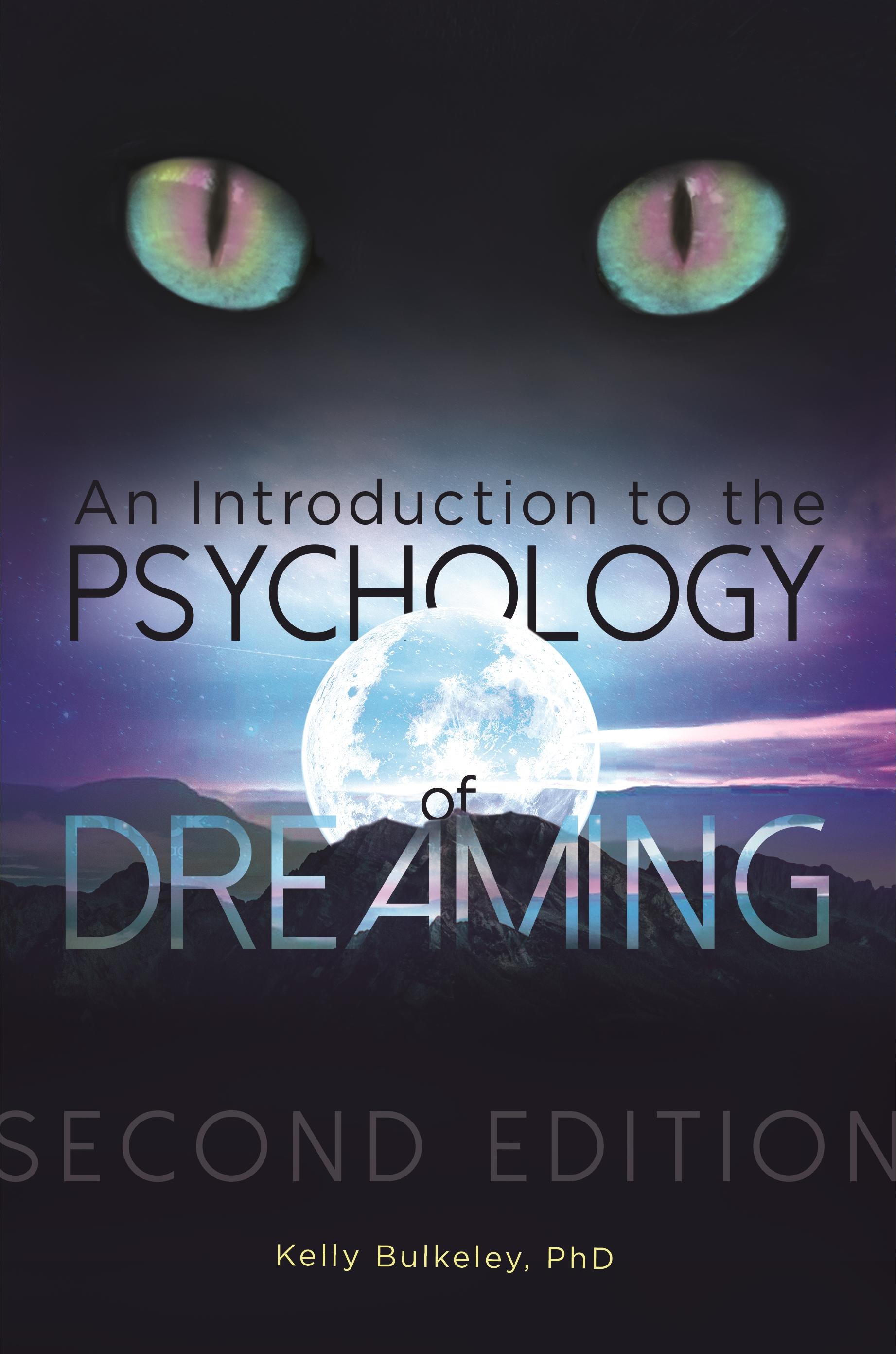
Introducing students at all levels to the key concepts of modern dream psychology, this concise book provides an overview of major theories regarding the formation, function, and interpretation of dreams.
Why do people dream, and what do dreams mean? What do the most recent neuroscientific research and studies of patterns in dream content reveal about the functionality of dreams? How do the ideas of earlier generations of dream psychologists continue to influence the research of psychologists today? An Introduction to the Psychology of Dreaming covers all major theories in dream psychology from 1900 to the present day. It provides readers with a unique resource that focuses specifically on this lineage of research in dream psychology and is concise and accessibly written.
Each chapter of the book analyzes a particular theory of dream psychology in terms of three basic questions: How are dreams formed? What functions do dreams serve? How can dreams be interpreted? By examining each theorist's answers to these questions, readers can clearly see how dream psychology theorists have both incorporated concepts from previous researchers and developed new ideas of their own. A breadth of psychological approaches are considered, from Freud and Jung to contemporary brain studies, giving readers an appreciation of the wide range of theories regarding this fascinating area of study.
Why do people dream, and what do dreams mean? What do the most recent neuroscientific research and studies of patterns in dream content reveal about the functionality of dreams? How do the ideas of earlier generations of dream psychologists continue to influence the research of psychologists today? An Introduction to the Psychology of Dreaming covers all major theories in dream psychology from 1900 to the present day. It provides readers with a unique resource that focuses specifically on this lineage of research in dream psychology and is concise and accessibly written.
Each chapter of the book analyzes a particular theory of dream psychology in terms of three basic questions: How are dreams formed? What functions do dreams serve? How can dreams be interpreted? By examining each theorist's answers to these questions, readers can clearly see how dream psychology theorists have both incorporated concepts from previous researchers and developed new ideas of their own. A breadth of psychological approaches are considered, from Freud and Jung to contemporary brain studies, giving readers an appreciation of the wide range of theories regarding this fascinating area of study.
Paga facilmente con carta, Klarna, Apple Pay o Google Pay. Non sei soddisfatto? Hai sempre 14 giorni per il rimborso. Leggi di più nei nostri termini. Per qualsiasi domanda, scrivici a hello@memmo.org.
Memmo rende lo studio più facile, ovunque tu sia nel mondo. Qui trovi i tuoi libri di testo e strumenti di studio intelligenti, tutto in un unico posto: riassunti, quiz, podcast e flashcard. E poi c'è Ted, il tuo compagno di studio che risponde a ogni tua domanda. Oltre 50.000 studenti studiano già qui: è stato creato per aiutarti a imparare più velocemente e a stressarti meno.