
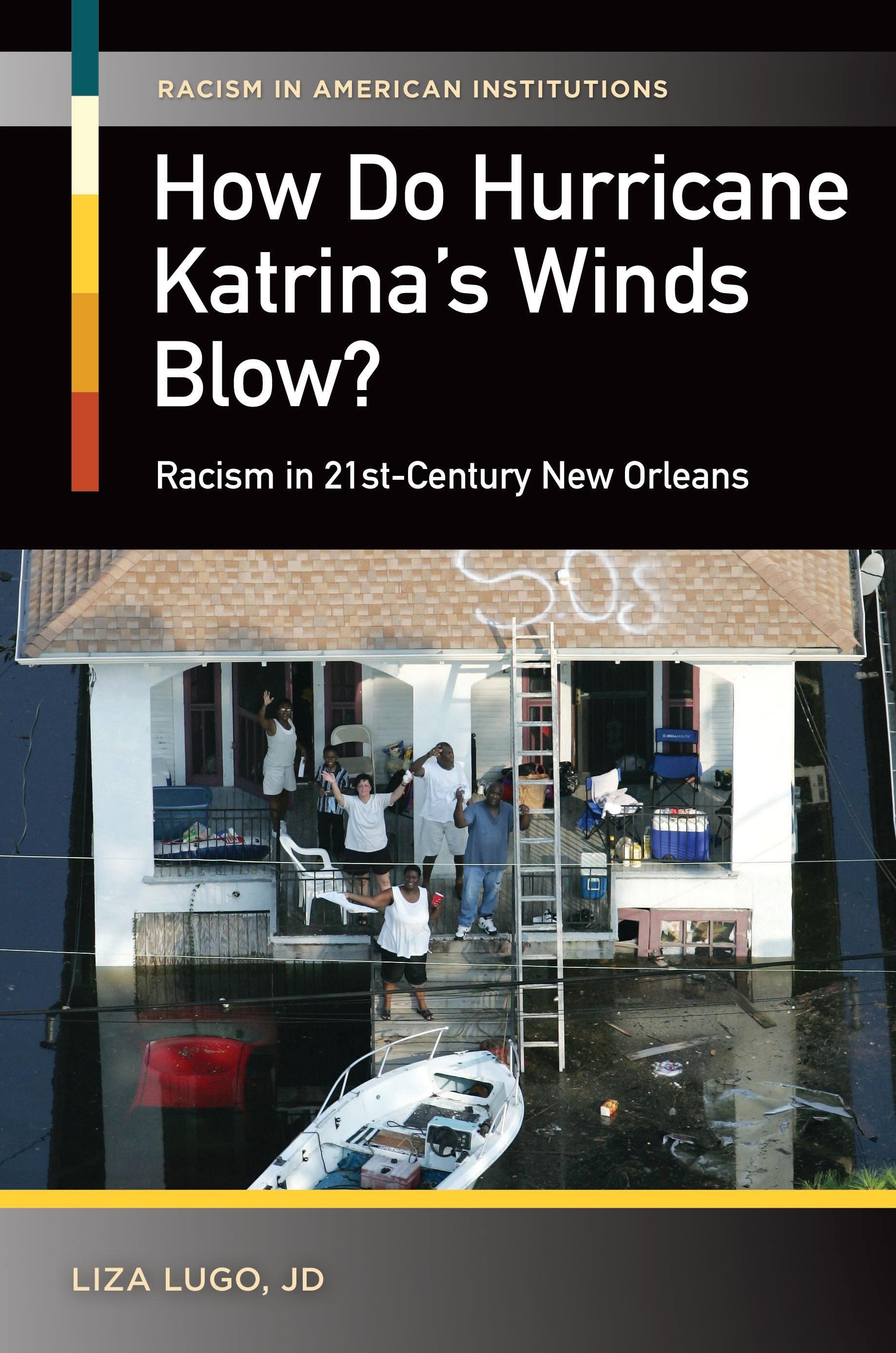
The disproportionate effect of Hurricane Katrina on African Americans was an outcome created by law and societal construct, not chance. This book takes a hard look at racial stratification in American today and debunks the myth that segregation is a thing of the past.
An outstanding resource for students of African American history, government policy, sociology, and human rights, as well as readers interested in socioeconomics in the United States today, this book examines why the divisions between the areas heavily damaged by Hurricane Katrina and those left unscathed largely coincided with the color lines in New Orleans neighborhoods; and establishes how African Americans have suffered for 400 years under an oppressive system that has created a permanent underclass of second-class citizenship.
Rather than focusing on the Katrina disaster itself, the author presents significant evidence of how government policy and structure, as well as societal mores, permitted and sanctioned the dehumanization of African Americans, purposefully placing them in disaster-prone areas—particularly, those in New Orleans. The historical context is framed within the construct of Hurricane Katrina and other hurricane catastrophes in New Orleans, demonstrating that Katrina was not an anomaly. For readers unfamiliar with the ugly existence of segregation in modern-day America, this book will likely shock and outrage as it sounds a call to both citizens and government to undertake the challenges we still face as a nation.
An outstanding resource for students of African American history, government policy, sociology, and human rights, as well as readers interested in socioeconomics in the United States today, this book examines why the divisions between the areas heavily damaged by Hurricane Katrina and those left unscathed largely coincided with the color lines in New Orleans neighborhoods; and establishes how African Americans have suffered for 400 years under an oppressive system that has created a permanent underclass of second-class citizenship.
Rather than focusing on the Katrina disaster itself, the author presents significant evidence of how government policy and structure, as well as societal mores, permitted and sanctioned the dehumanization of African Americans, purposefully placing them in disaster-prone areas—particularly, those in New Orleans. The historical context is framed within the construct of Hurricane Katrina and other hurricane catastrophes in New Orleans, demonstrating that Katrina was not an anomaly. For readers unfamiliar with the ugly existence of segregation in modern-day America, this book will likely shock and outrage as it sounds a call to both citizens and government to undertake the challenges we still face as a nation.
Paga facilmente con carta, Klarna, Apple Pay o Google Pay. Non sei soddisfatto? Hai sempre 14 giorni per il rimborso. Leggi di più nei nostri termini. Per qualsiasi domanda, scrivici a hello@memmo.org.
Memmo rende lo studio più facile, ovunque tu sia nel mondo. Qui trovi i tuoi libri di testo e strumenti di studio intelligenti, tutto in un unico posto: riassunti, quiz, podcast e flashcard. E poi c'è Ted, il tuo compagno di studio che risponde a ogni tua domanda. Oltre 50.000 studenti studiano già qui: è stato creato per aiutarti a imparare più velocemente e a stressarti meno.