
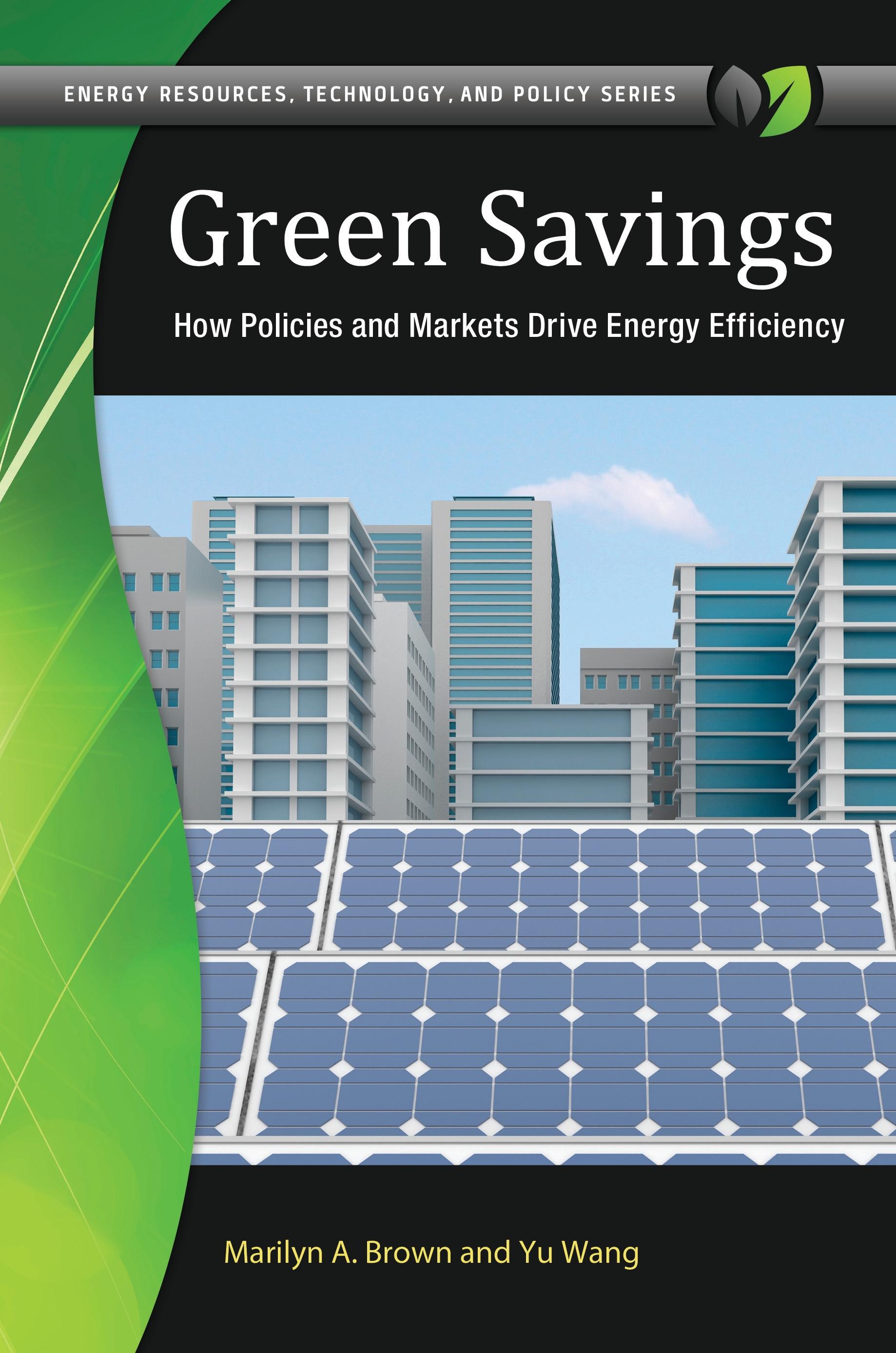
This landmark work lauds the benefits of decreased energy consumption, investigating its relationship to public policy and analyzing its potential billion-dollar benefits to the U.S. economy.
U.S. consumers tend to use energy indiscriminately—something they may no longer be able to do with impunity. This game-changing book asserts that reducing energy consumption should be a frontline strategy to address global climate change, threats to energy security, and the challenge of grid reliability. The book supports two bold arguments: that policies motivating greater investment in high energy efficiency should be a priority, and that energy efficiency can help the nation in times of crisis.
To make their case for the necessity of prioritizing demand reduction, the authors examine the policies and markets operating in a number of leading cities, states, and nations across the globe to uncover the keys to their success. These examples show how demand-side strategies can significantly reduce pollution, cut costs, and make the electric grid more resilient. The authors explain why these technologies are not widely adopted and assess the potential savings they can produce. The book will be an eye-opener for policymakers, energy professionals, and the public as it demonstrates how cost-effective demand reduction policies can improve air quality, strengthen electricity markets, and generate jobs.
U.S. consumers tend to use energy indiscriminately—something they may no longer be able to do with impunity. This game-changing book asserts that reducing energy consumption should be a frontline strategy to address global climate change, threats to energy security, and the challenge of grid reliability. The book supports two bold arguments: that policies motivating greater investment in high energy efficiency should be a priority, and that energy efficiency can help the nation in times of crisis.
To make their case for the necessity of prioritizing demand reduction, the authors examine the policies and markets operating in a number of leading cities, states, and nations across the globe to uncover the keys to their success. These examples show how demand-side strategies can significantly reduce pollution, cut costs, and make the electric grid more resilient. The authors explain why these technologies are not widely adopted and assess the potential savings they can produce. The book will be an eye-opener for policymakers, energy professionals, and the public as it demonstrates how cost-effective demand reduction policies can improve air quality, strengthen electricity markets, and generate jobs.
Pagine: 304
Categoria: Ekonomi & Utveckling
e-ISBN: 9798216092124
Peso di spedizione: 1.2 kg
Spedito in: 1-2 giorni
Paga facilmente con carta, Klarna, Apple Pay o Google Pay. Non sei soddisfatto? Hai sempre 14 giorni per il rimborso. Leggi di più nei nostri termini. Per qualsiasi domanda, scrivici a hello@memmo.org.
Memmo rende lo studio più facile, ovunque tu sia nel mondo. Qui trovi i tuoi libri di testo e strumenti di studio intelligenti, tutto in un unico posto: riassunti, quiz, podcast e flashcard. E poi c'è Ted, il tuo compagno di studio che risponde a ogni tua domanda. Oltre 50.000 studenti studiano già qui: è stato creato per aiutarti a imparare più velocemente e a stressarti meno.