
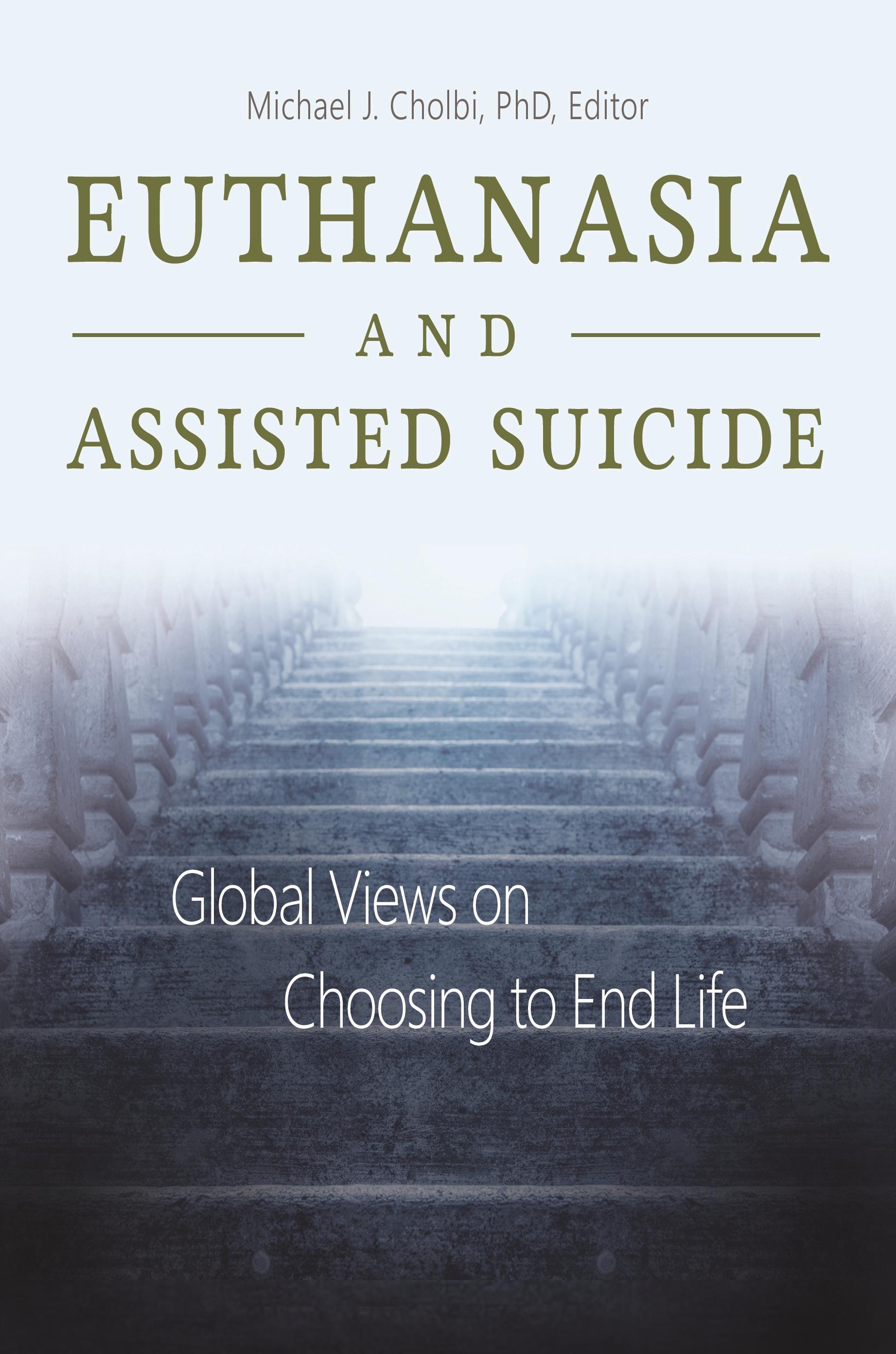
This book addresses key historical, scientific, legal, and philosophical issues surrounding euthanasia and assisted suicide in the United States as well as in other countries and cultures.
Euthanasia was practiced by Greek physicians as early as 500 BC. In the 20th century, legal and ethical controversies surrounding assisted dying exploded. Many religions and medical organizations led the way in opposition, citing the incompatibility of assisted dying with various religious traditions and with the obligations of medical personnel toward their patients. Today, these practices remain highly controversial both in the United States and around the world.
Comprising contributions from an international group of experts, this book thoroughly investigates euthanasia and assisted suicide from an interdisciplinary and global perspective. It presents the ethical arguments for and against assisted dying; highlights how assisted dying is perceived in various cultural and philosophical traditions—for example, South and East Asian cultures, Latin American perspectives, and religions including Islam and Christianity; and considers how assisted dying has both shaped and been shaped by the emergence of professionalized bioethics. Readers will also learn about the most controversial issues related to assisted dying, such as pediatric euthanasia, assisted dying for organ transplantation, and "suicide tourism," and examine concerns relating to assisted dying for racial minorities, children, and the disabled.
Euthanasia was practiced by Greek physicians as early as 500 BC. In the 20th century, legal and ethical controversies surrounding assisted dying exploded. Many religions and medical organizations led the way in opposition, citing the incompatibility of assisted dying with various religious traditions and with the obligations of medical personnel toward their patients. Today, these practices remain highly controversial both in the United States and around the world.
Comprising contributions from an international group of experts, this book thoroughly investigates euthanasia and assisted suicide from an interdisciplinary and global perspective. It presents the ethical arguments for and against assisted dying; highlights how assisted dying is perceived in various cultural and philosophical traditions—for example, South and East Asian cultures, Latin American perspectives, and religions including Islam and Christianity; and considers how assisted dying has both shaped and been shaped by the emergence of professionalized bioethics. Readers will also learn about the most controversial issues related to assisted dying, such as pediatric euthanasia, assisted dying for organ transplantation, and "suicide tourism," and examine concerns relating to assisted dying for racial minorities, children, and the disabled.
Paga facilmente con carta, Klarna, Apple Pay o Google Pay. Non sei soddisfatto? Hai sempre 14 giorni per il rimborso. Leggi di più nei nostri termini. Per qualsiasi domanda, scrivici a hello@memmo.org.
Memmo rende lo studio più facile, ovunque tu sia nel mondo. Qui trovi i tuoi libri di testo e strumenti di studio intelligenti, tutto in un unico posto: riassunti, quiz, podcast e flashcard. E poi c'è Ted, il tuo compagno di studio che risponde a ogni tua domanda. Oltre 50.000 studenti studiano già qui: è stato creato per aiutarti a imparare più velocemente e a stressarti meno.