
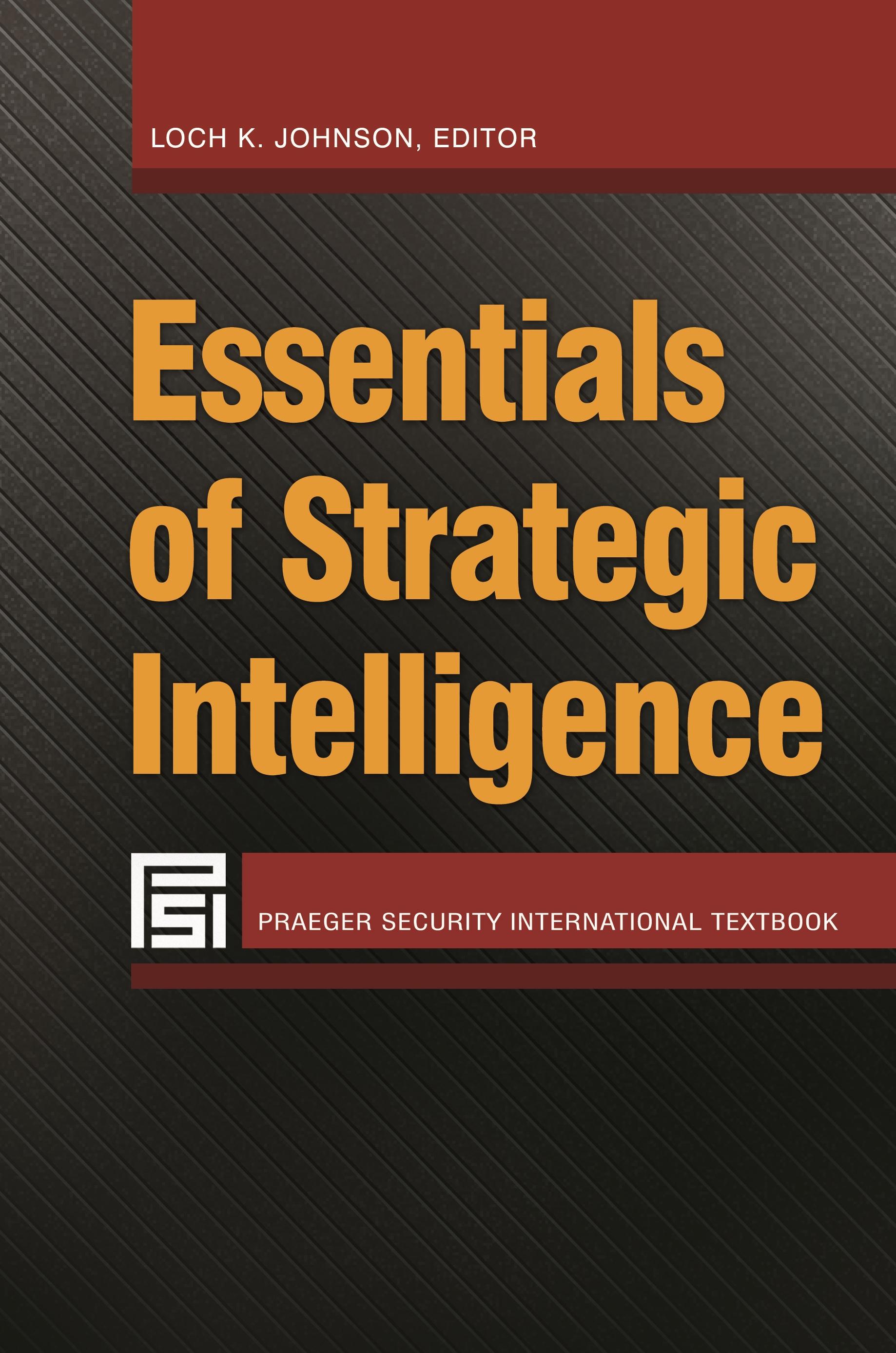
A highly valuable resource for students of intelligence studies, strategy and security, and foreign policy, this volume provides readers with an accessible and comprehensive exploration of U.S. espionage activities that addresses both the practical and ethical implications that attend the art and science of spying.
Essentials of Strategic Intelligence investigates a subject unknown to or misunderstood by most American citizens: how U.S. foreign and security policy is derived from the information collection operations and data analysis by the sixteen major U.S. intelligence agencies. The essays in this work draw back the curtain on the hidden side of America's government, explaining the roles of various intelligence missions, justifying the existence of U.S. intelligence agencies, and addressing the complex moral questions that arise in the conduct of secret operations.
After an introductory overview, the book presents accessibly written essays on the key topics: intelligence collection-and-analysis, counterintelligence, covert action, and intelligence accountability. Readers will understand how intelligence directly informs policymakers and why democracies need secret agencies; learn how the CIA has become deeply involved in the war-like assassination operations that target suspected foreign terrorists, even some individuals who are American citizens; and appreciate how the existence of—and our reliance on—these intelligence agencies poses challenges for democratic governance.
Essentials of Strategic Intelligence investigates a subject unknown to or misunderstood by most American citizens: how U.S. foreign and security policy is derived from the information collection operations and data analysis by the sixteen major U.S. intelligence agencies. The essays in this work draw back the curtain on the hidden side of America's government, explaining the roles of various intelligence missions, justifying the existence of U.S. intelligence agencies, and addressing the complex moral questions that arise in the conduct of secret operations.
After an introductory overview, the book presents accessibly written essays on the key topics: intelligence collection-and-analysis, counterintelligence, covert action, and intelligence accountability. Readers will understand how intelligence directly informs policymakers and why democracies need secret agencies; learn how the CIA has become deeply involved in the war-like assassination operations that target suspected foreign terrorists, even some individuals who are American citizens; and appreciate how the existence of—and our reliance on—these intelligence agencies poses challenges for democratic governance.
Paga facilmente con carta, Klarna, Apple Pay o Google Pay. Non sei soddisfatto? Hai sempre 14 giorni per il rimborso. Leggi di più nei nostri termini. Per qualsiasi domanda, scrivici a hello@memmo.org.
Memmo rende lo studio più facile, ovunque tu sia nel mondo. Qui trovi i tuoi libri di testo e strumenti di studio intelligenti, tutto in un unico posto: riassunti, quiz, podcast e flashcard. E poi c'è Ted, il tuo compagno di studio che risponde a ogni tua domanda. Oltre 50.000 studenti studiano già qui: è stato creato per aiutarti a imparare più velocemente e a stressarti meno.