
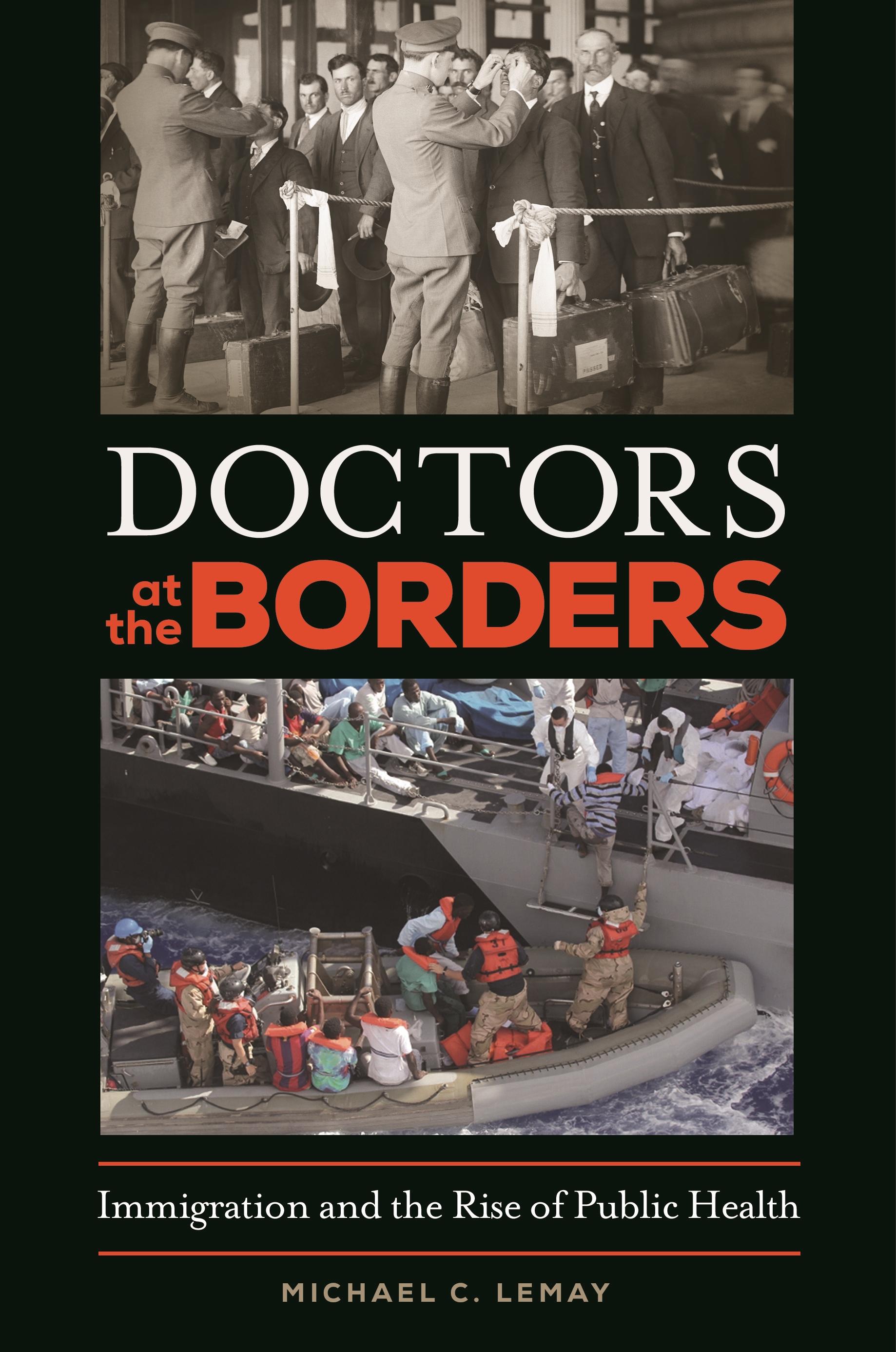
A unique resource for the general public and students interested in immigration and public health, this book presents a comprehensive history of public health and draws 10 key lessons for current immigration and health policymakers.
The period of 1820 to 1920 was one of mass migration to the United States from other nations of origin. This century-long period served to develop modern medicine with the acceptance of the germ theory of disease and the lessons learned from how immigration officials and doctors of the United States Marine Hospital Service (USMHS) confronted six major pandemic diseases: bubonic plague, cholera, influenza, smallpox, trachoma, and yellow fever.
This book provides a narrative history that relates how immigration doctors of the USMHS developed devices and procedures that greatly influenced the development of public health. It illuminates the distinct links between immigration policy and public health policy and distinguishes ten key lessons learned nearly 100 years ago that are still relevant to coping with current public health policy issues.
By re-examining the experiences of doctors at three U.S. immigration/quarantine stations—Angel Island, Ellis Island, and New Orleans—in the early 19th century through the early 20th century, Doctors at the Borders: Immigration and the Rise of Public Health analyzes the successes and failures of these medical practitioners' pioneering efforts to battle pandemic diseases and identifies how the hard-won knowledge from that relatively primitive period still informs how public health policy should be written today. Readers will understand how the USMHS doctors helped shape the very development of U.S. public health and modern scientific medicine, and see the need for international cooperation in the face of today's global threats of pandemic diseases.
The period of 1820 to 1920 was one of mass migration to the United States from other nations of origin. This century-long period served to develop modern medicine with the acceptance of the germ theory of disease and the lessons learned from how immigration officials and doctors of the United States Marine Hospital Service (USMHS) confronted six major pandemic diseases: bubonic plague, cholera, influenza, smallpox, trachoma, and yellow fever.
This book provides a narrative history that relates how immigration doctors of the USMHS developed devices and procedures that greatly influenced the development of public health. It illuminates the distinct links between immigration policy and public health policy and distinguishes ten key lessons learned nearly 100 years ago that are still relevant to coping with current public health policy issues.
By re-examining the experiences of doctors at three U.S. immigration/quarantine stations—Angel Island, Ellis Island, and New Orleans—in the early 19th century through the early 20th century, Doctors at the Borders: Immigration and the Rise of Public Health analyzes the successes and failures of these medical practitioners' pioneering efforts to battle pandemic diseases and identifies how the hard-won knowledge from that relatively primitive period still informs how public health policy should be written today. Readers will understand how the USMHS doctors helped shape the very development of U.S. public health and modern scientific medicine, and see the need for international cooperation in the face of today's global threats of pandemic diseases.
Pagine: 288
Categoria: Statsvetenskap & Politik
e-ISBN: 9798216075639
Peso di spedizione: 1.2 kg
Spedito in: 1-2 giorni
Paga facilmente con carta, Klarna, Apple Pay o Google Pay. Non sei soddisfatto? Hai sempre 14 giorni per il rimborso. Leggi di più nei nostri termini. Per qualsiasi domanda, scrivici a hello@memmo.org.
Memmo rende lo studio più facile, ovunque tu sia nel mondo. Qui trovi i tuoi libri di testo e strumenti di studio intelligenti, tutto in un unico posto: riassunti, quiz, podcast e flashcard. E poi c'è Ted, il tuo compagno di studio che risponde a ogni tua domanda. Oltre 50.000 studenti studiano già qui: è stato creato per aiutarti a imparare più velocemente e a stressarti meno.