
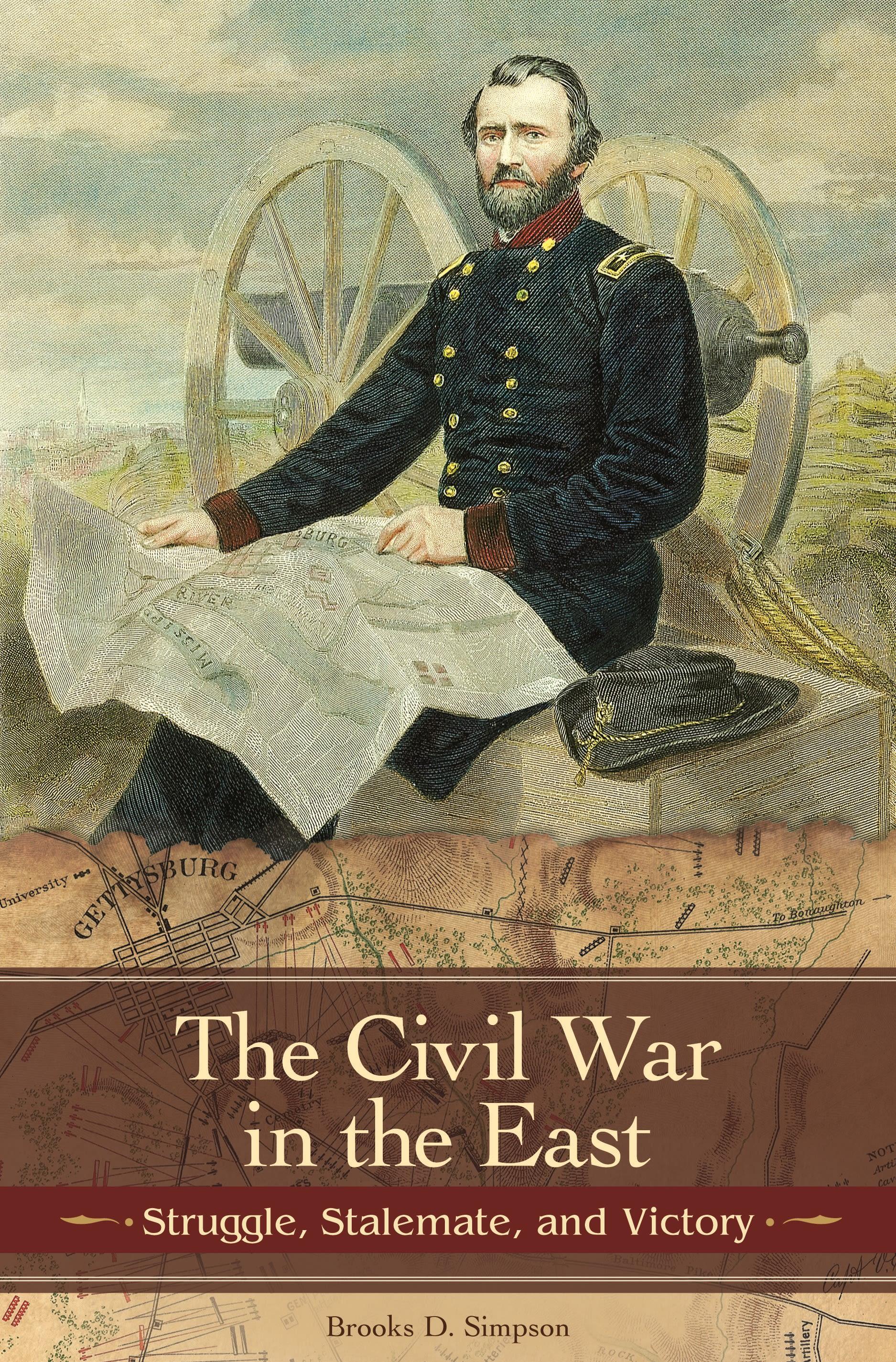
This book fills a gap in Civil War literature on the strategies employed by the Union and Confederacy in the East, offering a more integrated interpretation of military operations that shows how politics, public perception, geography, and logistics shaped the course of military operations in the East.
For all the literature about Civil War military operations and leadership, precious little has been written about strategy, particularly in what has become known as the eastern theater. Yet it is in this theater where the interaction of geography and logistics, politics and public opinion, battlefront and home front, and the conduct of military operations and civil-military relations can be highlighted in sharp relief.
With opposing capitals barely 100 miles apart and with the Chesapeake Bay/tidewater area offering Union generals the same sorts of opportunities sought by Confederate leaders in the Shenandoah Valley, geography shaped military operations in fundamental ways: the very rivers that obstructed Union overland advances offered them the chance to outflank Confederate-prepared positions. If the proximity of the enemy capital proved too tempting to pass up, generals on each side were aware that a major mishap could lead to an enemy parade down the streets of their own capital city. Presidents, politicians, and the press peeked over the shoulders of military commanders, some of who were not reluctant to engage in their own intrigues as they promoted their own fortunes.
The Civil War in the East does not rest upon new primary sources or an extensive rummaging through the mountains of material already available. Rather, it takes a fresh look at military operations and the assumptions that shaped them, and offers a more integrated interpretation of military operations that shows how politics, public perception, geography, and logistics shaped the course of military operations in the East. The eastern theater was indeed a theater of decision (and indecision), precisely because people believed that it was important. The presence of the capitals raised the stakes of victory and defeat; at a time when people viewed war in terms of decisive battles, the anticipation of victory followed by disappointment and persistent strategic stalemate characterized the course of events in the East.
For all the literature about Civil War military operations and leadership, precious little has been written about strategy, particularly in what has become known as the eastern theater. Yet it is in this theater where the interaction of geography and logistics, politics and public opinion, battlefront and home front, and the conduct of military operations and civil-military relations can be highlighted in sharp relief.
With opposing capitals barely 100 miles apart and with the Chesapeake Bay/tidewater area offering Union generals the same sorts of opportunities sought by Confederate leaders in the Shenandoah Valley, geography shaped military operations in fundamental ways: the very rivers that obstructed Union overland advances offered them the chance to outflank Confederate-prepared positions. If the proximity of the enemy capital proved too tempting to pass up, generals on each side were aware that a major mishap could lead to an enemy parade down the streets of their own capital city. Presidents, politicians, and the press peeked over the shoulders of military commanders, some of who were not reluctant to engage in their own intrigues as they promoted their own fortunes.
The Civil War in the East does not rest upon new primary sources or an extensive rummaging through the mountains of material already available. Rather, it takes a fresh look at military operations and the assumptions that shaped them, and offers a more integrated interpretation of military operations that shows how politics, public perception, geography, and logistics shaped the course of military operations in the East. The eastern theater was indeed a theater of decision (and indecision), precisely because people believed that it was important. The presence of the capitals raised the stakes of victory and defeat; at a time when people viewed war in terms of decisive battles, the anticipation of victory followed by disappointment and persistent strategic stalemate characterized the course of events in the East.
Paga facilmente con carta, Klarna, Apple Pay o Google Pay. Non sei soddisfatto? Hai sempre 14 giorni per il rimborso. Leggi di più nei nostri termini. Per qualsiasi domanda, scrivici a hello@memmo.org.
Memmo rende lo studio più facile, ovunque tu sia nel mondo. Qui trovi i tuoi libri di testo e strumenti di studio intelligenti, tutto in un unico posto: riassunti, quiz, podcast e flashcard. E poi c'è Ted, il tuo compagno di studio che risponde a ogni tua domanda. Oltre 50.000 studenti studiano già qui: è stato creato per aiutarti a imparare più velocemente e a stressarti meno.