
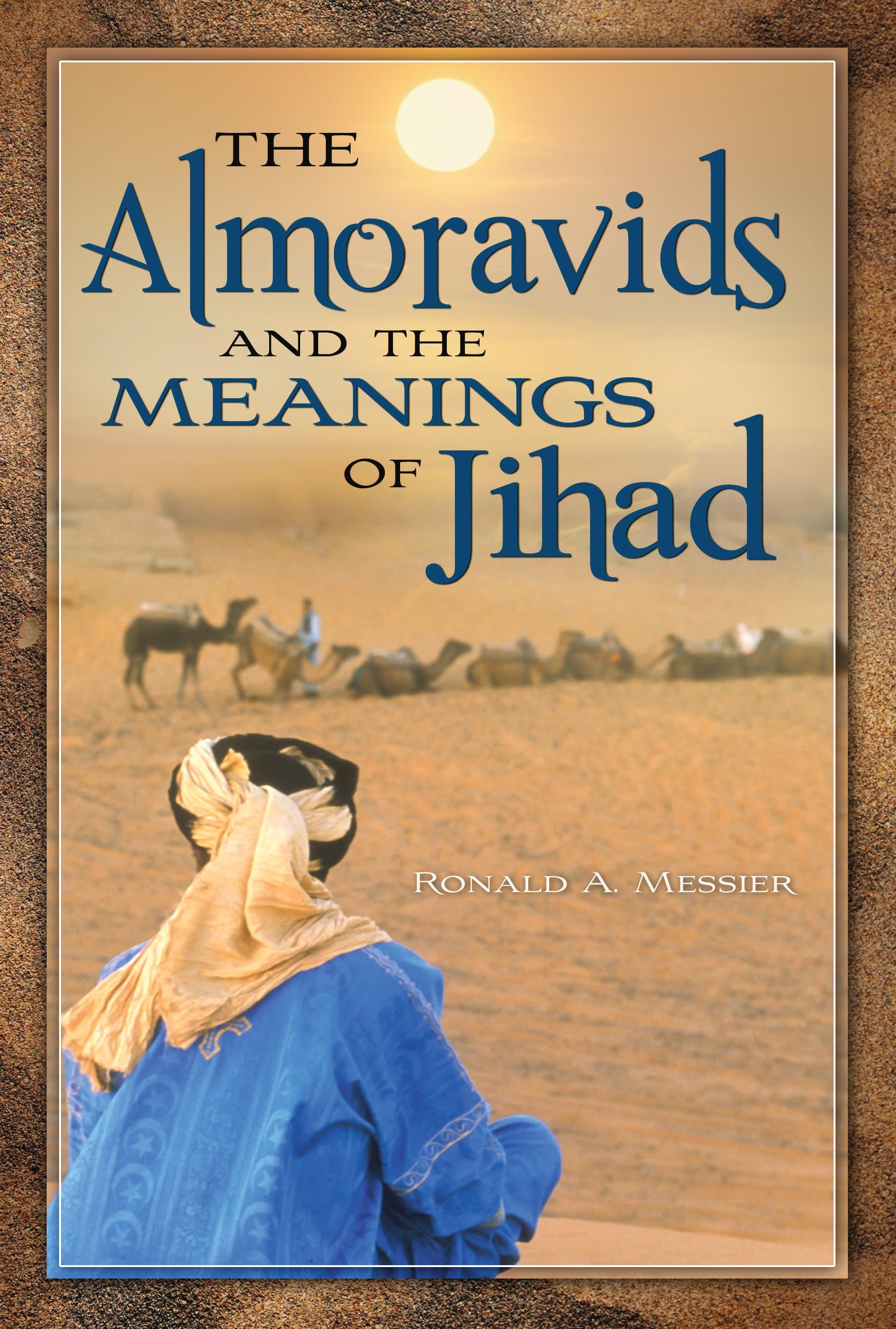
This book offers a scholarly, highly readable account of the 11th-12th century rulers of Morocco and Muslim Spain who offered a full range of meanings of jihad and challenged Ibn Khaldun's paradigm for the rise and fall of regimes.
Originally West African, Berber nomads, the Almoravids emerged from what is today Mauritania to rule Morocco, western Algeria, and Muslim Spain. Over the course of the century-long lifespan of the Almoravid dynasty, the concept of jihad evolved through four distinct phases: a struggle for righteousness, a war against pagans in the Sahara to impose their own sense of righteousness, war against "bad" Muslims in Sijilmasa and the rest of the Maghrib, and finally, war against Christian infidels—the Christian kings of Iberia.
The Almoravids and the Meanings of Jihad takes readers through a clear chronology of the dynasty from its birth through its dramatic rise to power, then its decline and eventual collapse. Several important themes in North African history are explored throughout the book, including the dynastic theory of noted Arab historian Ibn Khaldun, the unique relationship of rural and urban lifestyles, the interactions of distinct Berber and Arab identities, and the influence of tribal solidarity and Islam in forming the social fabric of medieval North African society
Originally West African, Berber nomads, the Almoravids emerged from what is today Mauritania to rule Morocco, western Algeria, and Muslim Spain. Over the course of the century-long lifespan of the Almoravid dynasty, the concept of jihad evolved through four distinct phases: a struggle for righteousness, a war against pagans in the Sahara to impose their own sense of righteousness, war against "bad" Muslims in Sijilmasa and the rest of the Maghrib, and finally, war against Christian infidels—the Christian kings of Iberia.
The Almoravids and the Meanings of Jihad takes readers through a clear chronology of the dynasty from its birth through its dramatic rise to power, then its decline and eventual collapse. Several important themes in North African history are explored throughout the book, including the dynastic theory of noted Arab historian Ibn Khaldun, the unique relationship of rural and urban lifestyles, the interactions of distinct Berber and Arab identities, and the influence of tribal solidarity and Islam in forming the social fabric of medieval North African society
Paga facilmente con carta, Klarna, Apple Pay o Google Pay. Non sei soddisfatto? Hai sempre 14 giorni per il rimborso. Leggi di più nei nostri termini. Per qualsiasi domanda, scrivici a hello@memmo.org.
Memmo rende lo studio più facile, ovunque tu sia nel mondo. Qui trovi i tuoi libri di testo e strumenti di studio intelligenti, tutto in un unico posto: riassunti, quiz, podcast e flashcard. E poi c'è Ted, il tuo compagno di studio che risponde a ogni tua domanda. Oltre 50.000 studenti studiano già qui: è stato creato per aiutarti a imparare più velocemente e a stressarti meno.