
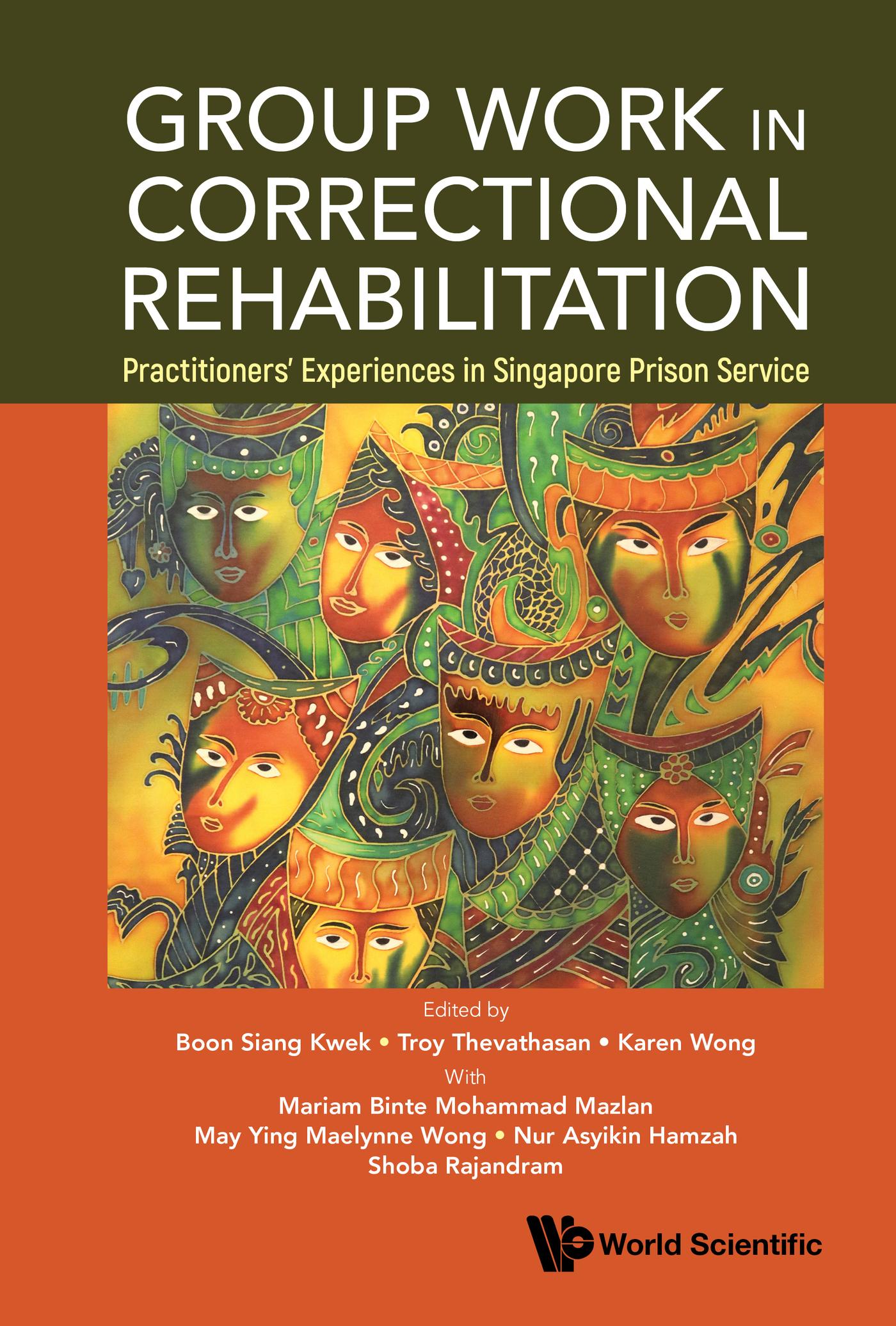
Group work in the Singapore Prison Service (SPS) started in 2001 and has remained as the main channel for rehabilitation to take place. This book explores the transformative power of group therapy within a correctional setting, offering a comprehensive guide for therapists, psychologists, counsellors and prison staff who facilitate therapeutic groups for incarcerated individuals. Grounded in evidence-informed practices, this work delves into SPS's progressive and professional approaches in rehabilitation through the lens of specialists and correctional officers who lead intervention groups for prisoners and drug abusers accumulated over the last two decades.
The book provides insights into the unique ethical considerations of leading groups in a prison setting, and the role correctional officers can also play in leading groups. With real-life case studies, facilitator tips and guidance on managing group dynamics in a high-security environment, the book provides practitioners with the knowledge and understanding about working with individuals to improve decision-making skills, and fostering positive behavioural change.
Contents:
- Introduction to Group Work in Prisons and Foundational Considerations:
- Group Work in Prisons (Troy Thevathasan, Nur Asyikin Hamzah, and Shoba Rajandram)
- Multi-cultural Considerations of Correctional Groups in Singapore (May Ying Maelynne Wong and Shoba Rajandram)
- Evidence-Informed Practice in Correctional Group Work in Singapore Prison Service (Nur Asyikin Hamzah)
- Overview of Group Work Phases in Correctional Setting (Boon Siang Kwek, Mariam Mohammad Mazlan, and Karen Wong)
- Group Work for Drug Offenders (Zhiren Chua, Kathleen De Laure, and Gayethri B)
- Developing Effective Correctional Group Leaders (Doris Lim and Angeline Tay)
- Correctional Officers as Group Leaders in a Motivational Programme: The Looking Forward Journey (Yasmin Ahamed and Natasha Lim)
Readership: The primary market by discipline/profession would likely include: I) Counsellors and Psychologists: Professionals working in correctional facilities, particularly those specialising in rehabilitation, mental health and social work within the prison context. II) Social Workers: Social workers who work with individuals who are reintegrating into society, may find these group work practices valuable. III) Criminal Justice and Criminology Experts: Academics, researchers and practitioners in criminal justice who have a strong interest in group work's impact on recidivism, rehabilitation and correctional psychology. IV) Correctional officers and Prison Administrators: Leaders and administrators in prison settings who may seek to understand how counselling practices affect inmate behaviour and institution dynamics. V) Students and Educators: College and university courses on psychology, social work, criminology and counselling may incorporate such a book as a learning tool or textbook. The primary market by sector would likely include: I) Academia: Professors, researchers and students in psychology, counselling, criminology and social work programmes would likely be a key audience. The book offers insights into working with the various types of offender population, case studies useful for research and programme development, and practical applications. II)Industry (Corrections and Rehabilitation): Professionals working directly in the correction system, includes counselling staff, prison administrators and rehabilitation staff who could benefit from practical strategies, case studies and structured approaches to group work tailored to the prison environment. III) This book may also attract policy makers interested in evidence-informed rehabilitation approaches, as well as community agencies working with incarcerated populations. The secondary markets might include: I) Healthcare professionals such as Addictions counsellors and therapists. Many incarcerated individuals have substance abuse histories. Counsellors in addictions recovery could benefit from insights into group dynamics and counselling within a correctional setting. II) Policy Analysts and Criminal Justice reform advocates. Professionals who design or advocate for reforms in criminal justice might find useful data on examples that support the value of rehabilitation-focused interventions such as group work. III) General Counselling and Therapy practices. Certain aspects of group work in prisons, such as working with complex interpersonal dynamics or dealing with individuals with co-morbidities can be relevant for therapists working in adjacent settings. IV)Interested general public and advocates such as families of incarcerated individuals. Families who are seeking information on prison life and rehabilitation.
Paga facilmente con carta, Klarna, Apple Pay o Google Pay. Non sei soddisfatto? Hai sempre 14 giorni per il rimborso. Leggi di più nei nostri termini. Per qualsiasi domanda, scrivici a hello@memmo.org.
Memmo rende lo studio più facile, ovunque tu sia nel mondo. Qui trovi i tuoi libri di testo e strumenti di studio intelligenti, tutto in un unico posto: riassunti, quiz, podcast e flashcard. E poi c'è Ted, il tuo compagno di studio che risponde a ogni tua domanda. Oltre 50.000 studenti studiano già qui: è stato creato per aiutarti a imparare più velocemente e a stressarti meno.