
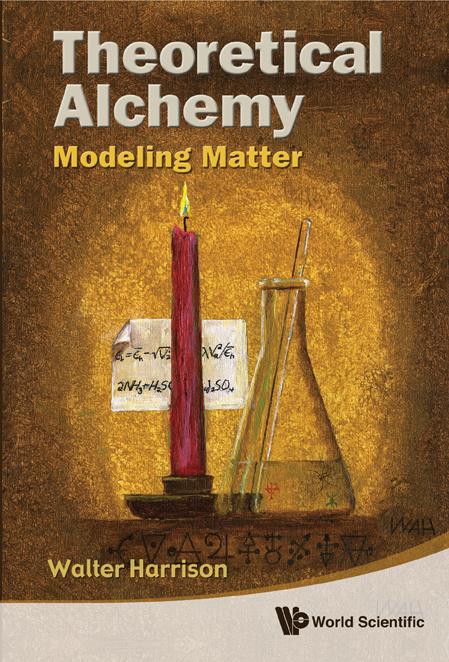
The best way to understand chemical bonding may be to take a view appropriate to each individual system, a view which may be quite different for various systems. Sometimes two very different views are appropriate for the same system, and then the combination may even give the parameters needed to estimate the bonding energy by hand. Density Functional Theory, on the other hand, generally tries to take one view as applicable to all systems, and proceeds computationally.
In contrast to the author's two previous well-known textbooks, Electronic Structure and the Properties of Solids (1989) and Elementary Electronic Structure (1999), in this book he tries to distill the essence of the representation of electronic structure in a much briefer description. It is shortened by focusing primarily on the bonding energies, the energy gained in assembling atoms as a molecule or a solid, or as a solid with a surface. A central point is that the same description of the electronic structure which gives this cohesion, can also be used to understand all of the other properties, though those other properties are not emphasized here. The effort is characterized by the title, which combines the modern word “theory” with the ancient effort of “alchemy” to make sense of the material world.
Paga facilmente con carta, Klarna, Apple Pay o Google Pay. Non sei soddisfatto? Hai sempre 14 giorni per il rimborso. Leggi di più nei nostri termini. Per qualsiasi domanda, scrivici a hello@memmo.org.
Memmo rende lo studio più facile, ovunque tu sia nel mondo. Qui trovi i tuoi libri di testo e strumenti di studio intelligenti, tutto in un unico posto: riassunti, quiz, podcast e flashcard. E poi c'è Ted, il tuo compagno di studio che risponde a ogni tua domanda. Oltre 50.000 studenti studiano già qui: è stato creato per aiutarti a imparare più velocemente e a stressarti meno.