
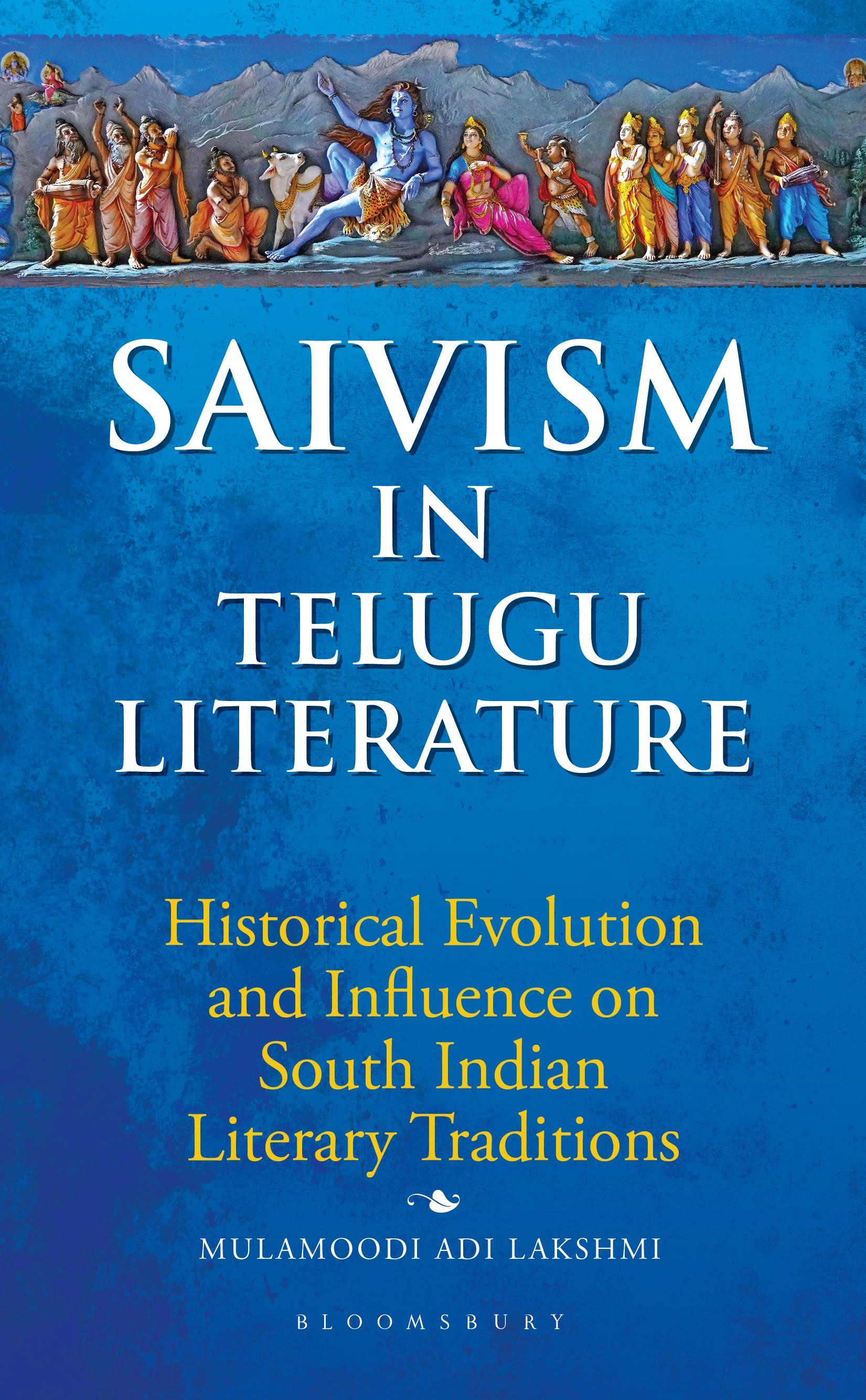
This book examines the evolution of Saivism among Telugu-speaking communities, with particular emphasis on its influence on women and marginalised social groups. It is organised around three key themes: Saivism prior to the emergence of Telugu literature; the understanding and transmission of Saivism through Telugu literary works; and the linguistic, literary, and cultural relationships articulated through Telugu Saiva literature.
Saivism in Telugu Literature analyses the close relationship between religion and literature and discusses the literary trends that shaped the early development of Telugu literature. It critically examines the contributions of Balkuri¯ Somanatha, Nannaya, Dikkana (Tikkana), and other scholars influenced by Saivism and Veerashaivism. Special attention is given to the portrayal of Shiva as a major deity alongside Brahma and Vishnu in the Telugu translations of the Mahabharata by Nannaya and Tikkana. Nannaya's translation is interpreted as an effort to make the Mahabharata, regarded as the fifth Veda, accessible to common people and women. The concluding section explores the influence of the Tamil Nayanmars and highlights the linguistic and cultural interactions among Telugu, Tamil, and Sanskrit, illustrating the spread of Saivism in South India.
Saivism in Telugu Literature analyses the close relationship between religion and literature and discusses the literary trends that shaped the early development of Telugu literature. It critically examines the contributions of Balkuri¯ Somanatha, Nannaya, Dikkana (Tikkana), and other scholars influenced by Saivism and Veerashaivism. Special attention is given to the portrayal of Shiva as a major deity alongside Brahma and Vishnu in the Telugu translations of the Mahabharata by Nannaya and Tikkana. Nannaya's translation is interpreted as an effort to make the Mahabharata, regarded as the fifth Veda, accessible to common people and women. The concluding section explores the influence of the Tamil Nayanmars and highlights the linguistic and cultural interactions among Telugu, Tamil, and Sanskrit, illustrating the spread of Saivism in South India.
Pagine: 288
Categoria: Religion & Teologi
e-ISBN: 9789369524914
Peso di spedizione: 1.2 kg
Spedito in: 1-2 giorni
Paga facilmente con carta, Klarna, Apple Pay o Google Pay. Non sei soddisfatto? Hai sempre 14 giorni per il rimborso. Leggi di più nei nostri termini. Per qualsiasi domanda, scrivici a hello@memmo.org.
Memmo rende lo studio più facile, ovunque tu sia nel mondo. Qui trovi i tuoi libri di testo e strumenti di studio intelligenti, tutto in un unico posto: riassunti, quiz, podcast e flashcard. E poi c'è Ted, il tuo compagno di studio che risponde a ogni tua domanda. Oltre 50.000 studenti studiano già qui: è stato creato per aiutarti a imparare più velocemente e a stressarti meno.