
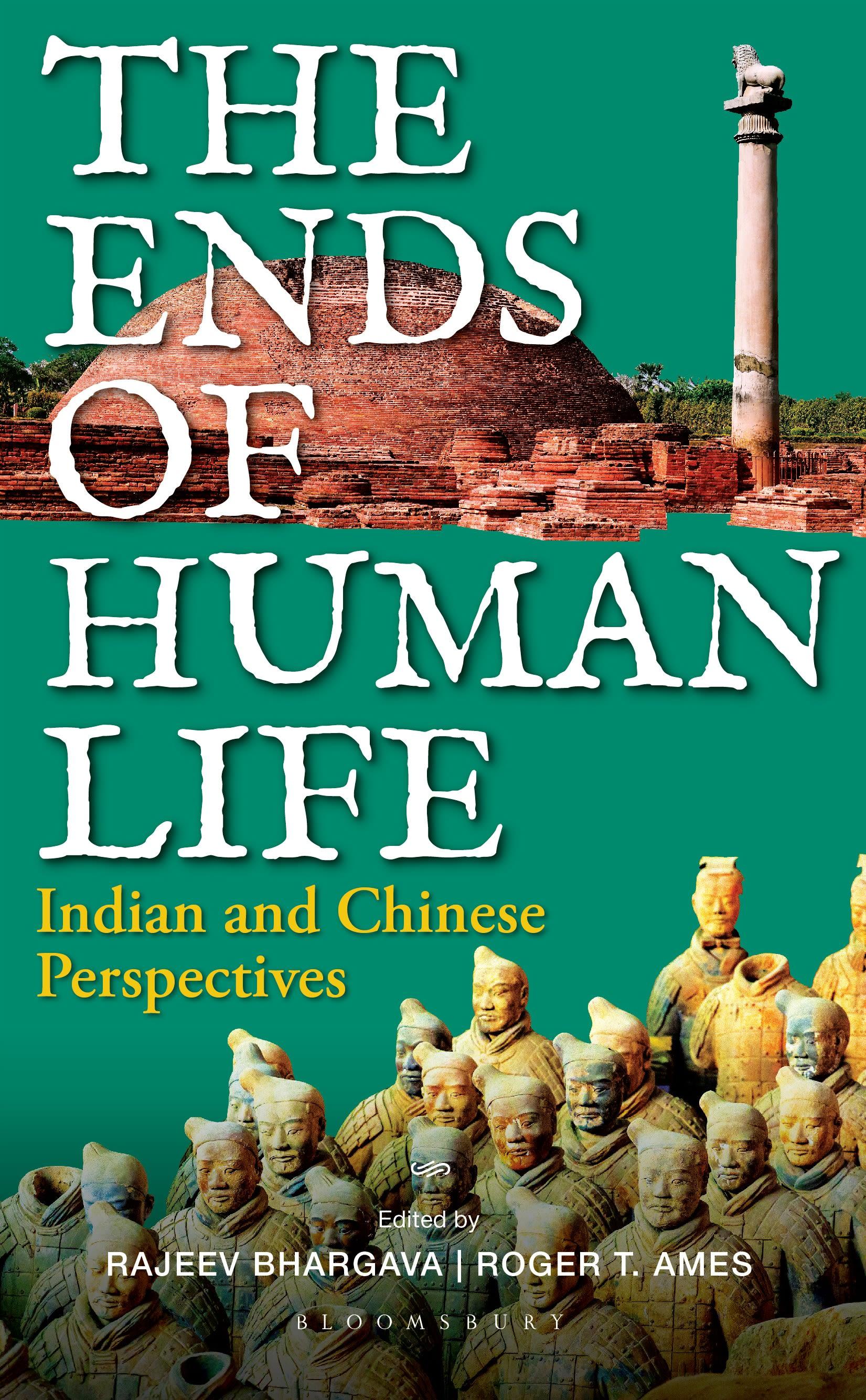
This volume brings into dialogue key texts from early and late Vedic, Early Buddhist, Confucian, and Bhakti traditions, each addressing fundamental questions concerning the aims and conditions of human life. Through a close engagement with these diverse yet philosophically rich traditions, the essays in this collection examine six interrelated questions central to the human quest for meaning, fulfillment, and ethical orientation.
The first concerns the ends of human life: from material prosperity, aesthetic delight, and social recognition to moral rectitude, spiritual devotion, and contemplative knowledge. The volume probes how these ends are articulated, ordered, and interpreted within and across traditions. Are these ends discrete or interdependent? Can they coexist harmoniously, or are they marked by tension and hierarchy-perhaps culminating in a single, highest good?
A third area of inquiry relates to the practices and modes of life required to realize these ends-what virtues must be cultivated, and which vices eschewed? Fourth, the volume interrogates whether these ends are universally accessible or specific to particular social groups or stages of life. Fifth, it explores the implications of dependence, freedom, and social structure in the pursuit of these goods. Lastly, the volume considers the institutional and political arrangements best suited to enable or constrain the realization of diverse life ideals.
By drawing connections between classical sources and contemporary concerns, this interdisciplinary collection offers both a historically grounded and philosophically nuanced contribution to ongoing reflections on the good life.
The first concerns the ends of human life: from material prosperity, aesthetic delight, and social recognition to moral rectitude, spiritual devotion, and contemplative knowledge. The volume probes how these ends are articulated, ordered, and interpreted within and across traditions. Are these ends discrete or interdependent? Can they coexist harmoniously, or are they marked by tension and hierarchy-perhaps culminating in a single, highest good?
A third area of inquiry relates to the practices and modes of life required to realize these ends-what virtues must be cultivated, and which vices eschewed? Fourth, the volume interrogates whether these ends are universally accessible or specific to particular social groups or stages of life. Fifth, it explores the implications of dependence, freedom, and social structure in the pursuit of these goods. Lastly, the volume considers the institutional and political arrangements best suited to enable or constrain the realization of diverse life ideals.
By drawing connections between classical sources and contemporary concerns, this interdisciplinary collection offers both a historically grounded and philosophically nuanced contribution to ongoing reflections on the good life.
Paga facilmente con carta, Klarna, Apple Pay o Google Pay. Non sei soddisfatto? Hai sempre 14 giorni per il rimborso. Leggi di più nei nostri termini. Per qualsiasi domanda, scrivici a hello@memmo.org.
Memmo rende lo studio più facile, ovunque tu sia nel mondo. Qui trovi i tuoi libri di testo e strumenti di studio intelligenti, tutto in un unico posto: riassunti, quiz, podcast e flashcard. E poi c'è Ted, il tuo compagno di studio che risponde a ogni tua domanda. Oltre 50.000 studenti studiano già qui: è stato creato per aiutarti a imparare più velocemente e a stressarti meno.