
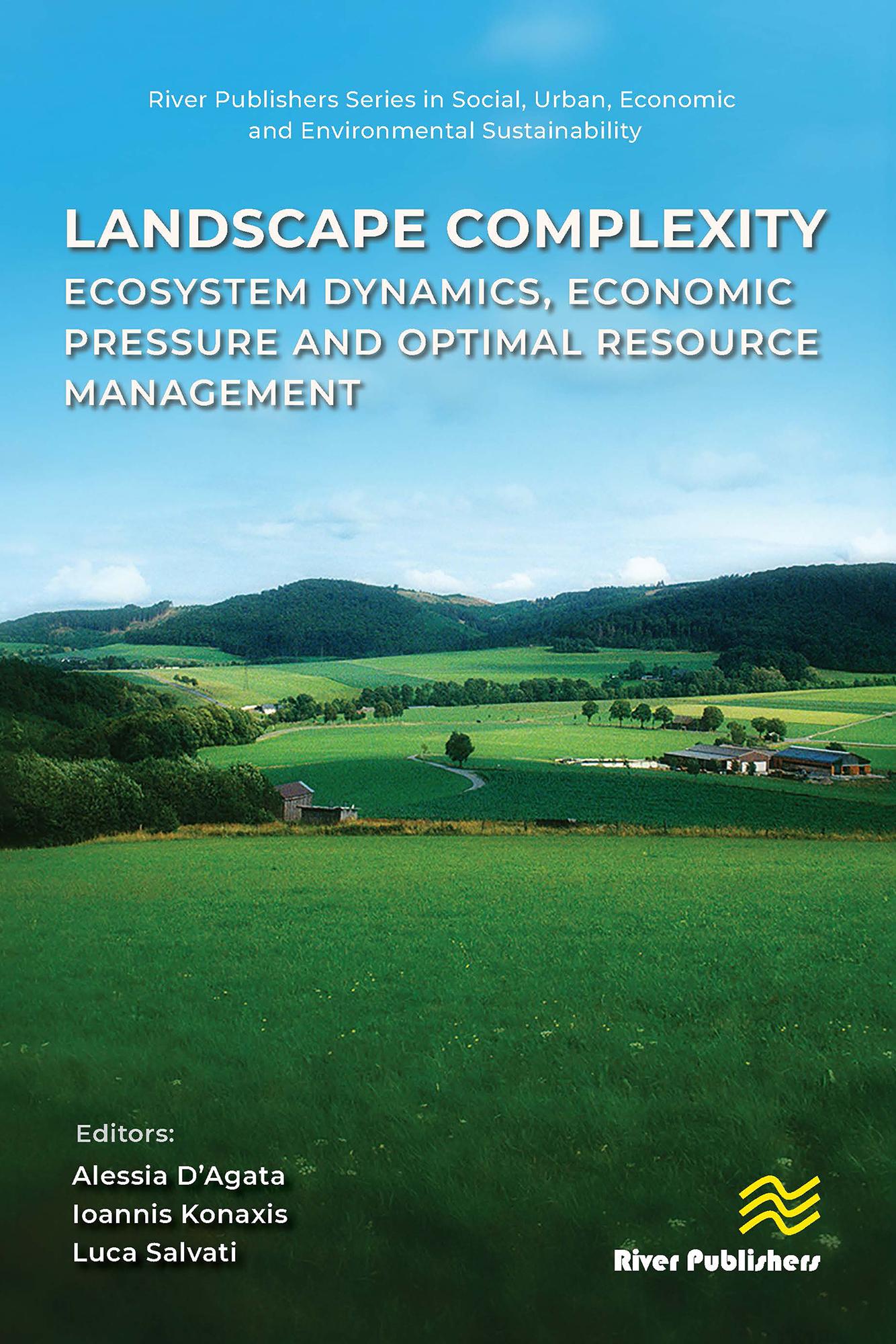
In advanced economies, landscapes have evolved into complex mosaics shaped by the dynamic interplay between forests, shrublands, agricultural fields, pastures, and urban or industrial areas. This intricate structure creates multiple layers of ecological and socioeconomic interactions that influence how land is used, valued, and managed.
Despite increasing awareness of environmental sustainability, the absence of comprehensive continental and national accounting systems for landscape evaluation has hindered the full recognition of landscapes as vital components of economic systems. Bridging this gap requires new methods to quantify and interpret landscape functions, services, and transformations.
This book proposes an integrative approach to landscape assessment—combining official statistics, field surveys, remote sensing, forest inventories, and spatial analysis. It demonstrates how these diverse tools can be harnessed to evaluate both quantitative and qualitative aspects of natural ecosystems, offering a clearer understanding of how landscapes contribute to environmental resilience and economic well-being.
Through practical examples and detailed case studies, this book provides an essential framework for scholars, environmental planners, policymakers, and practitioners seeking to connect ecological insights with sustainable regional development and policy design.
Paga facilmente con carta, Klarna, Apple Pay o Google Pay. Non sei soddisfatto? Hai sempre 14 giorni per il rimborso. Leggi di più nei nostri termini. Per qualsiasi domanda, scrivici a hello@memmo.org.
Memmo rende lo studio più facile, ovunque tu sia nel mondo. Qui trovi i tuoi libri di testo e strumenti di studio intelligenti, tutto in un unico posto: riassunti, quiz, podcast e flashcard. E poi c'è Ted, il tuo compagno di studio che risponde a ogni tua domanda. Oltre 50.000 studenti studiano già qui: è stato creato per aiutarti a imparare più velocemente e a stressarti meno.