
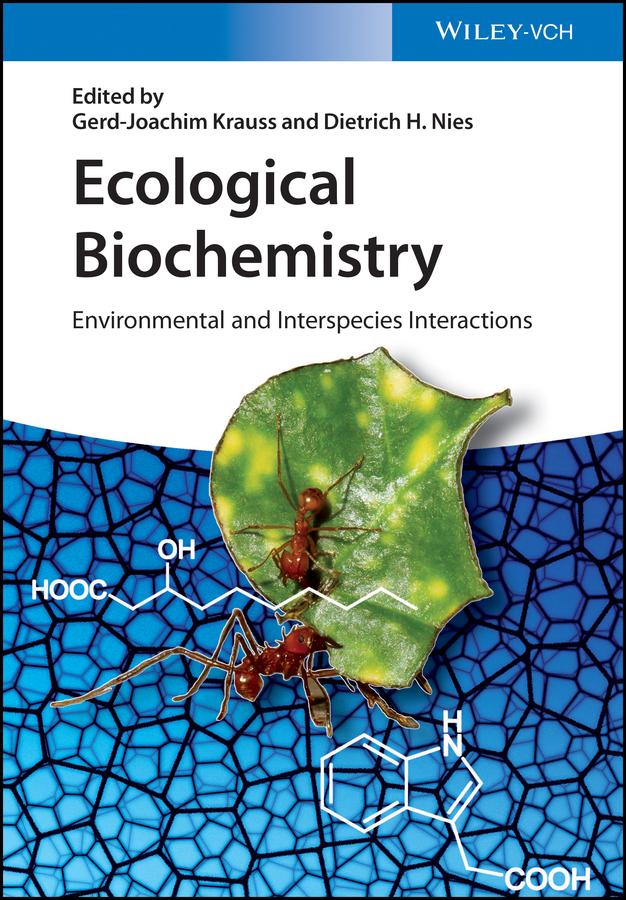
The first stand-alone textbook for at least ten years on this increasingly hot topic in times of global climate change and sustainability in ecosystems.
Ecological biochemistry refers to the interaction of organisms with their abiotic environment and other organisms by chemical means. Biotic and abiotic factors determine the biochemical flexibility of organisms, which otherwise easily adapt to environmental changes by altering their metabolism. Sessile plants, in particular, have evolved intricate biochemical response mechanisms to fit into a changing environment. This book covers the chemistry behind these interactions, bottom up from the atomic to the system's level.
An introductory part explains the physico-chemical basis and biochemical roots of living cells, leading to secondary metabolites as crucial bridges between organisms and the respective ecosystem. The focus then shifts to the biochemical interactions of plants, fungi and bacteria within terrestrial and aquatic ecosystems with the aim of linking biochemical insights to ecological research, also in human-influenced habitats.
A section is devoted to methodology, which allows network-based analyses of molecular processes underlying systems phenomena.
A companion website offering an extended version of the introductory chapter on Basic Biochemical Roots is available at
http://www.wiley.com/go/Krauss/Nies/EcologicalBiochemistry
Paga facilmente con carta, Klarna, Apple Pay o Google Pay. Non sei soddisfatto? Hai sempre 14 giorni per il rimborso. Leggi di più nei nostri termini. Per qualsiasi domanda, scrivici a hello@memmo.org.
Memmo rende lo studio più facile, ovunque tu sia nel mondo. Qui trovi i tuoi libri di testo e strumenti di studio intelligenti, tutto in un unico posto: riassunti, quiz, podcast e flashcard. E poi c'è Ted, il tuo compagno di studio che risponde a ogni tua domanda. Oltre 50.000 studenti studiano già qui: è stato creato per aiutarti a imparare più velocemente e a stressarti meno.