
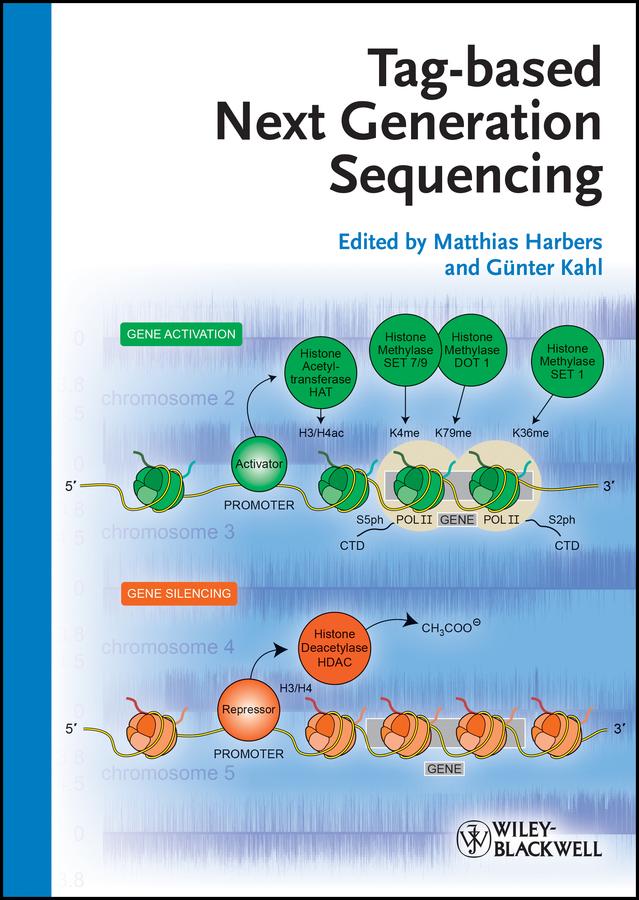
Tag-based approaches were originally designed to increase the throughput of capillary sequencing, where concatemers of short sequences were first used in expression profiling. New Next Generation Sequencing methods largely extended the use of tag-based approaches as the tag lengths perfectly match with the short read length of highly parallel sequencing reactions. Tag-based approaches will maintain their important role in life and biomedical science, because longer read lengths are often not required to obtain meaningful data for many applications. Whereas genome re-sequencing and de novo sequencing will benefit from ever more powerful sequencing methods, analytical applications can be performed by tag-based approaches, where the focus shifts from 'sequencing power' to better means of data analysis and visualization for common users. Today Next Generation Sequence data require powerful bioinformatics expertise that has to be converted into easy-to-use data analysis tools. The book's intention is to give an overview on recently developed tag-based approaches along with means of their data analysis together with introductions to Next-Generation Sequencing Methods, protocols and user guides to be an entry for scientists to tag-based approaches for Next Generation Sequencing.
Paga facilmente con carta, Klarna, Apple Pay o Google Pay. Non sei soddisfatto? Hai sempre 14 giorni per il rimborso. Leggi di più nei nostri termini. Per qualsiasi domanda, scrivici a hello@memmo.org.
Memmo rende lo studio più facile, ovunque tu sia nel mondo. Qui trovi i tuoi libri di testo e strumenti di studio intelligenti, tutto in un unico posto: riassunti, quiz, podcast e flashcard. E poi c'è Ted, il tuo compagno di studio che risponde a ogni tua domanda. Oltre 50.000 studenti studiano già qui: è stato creato per aiutarti a imparare più velocemente e a stressarti meno.