
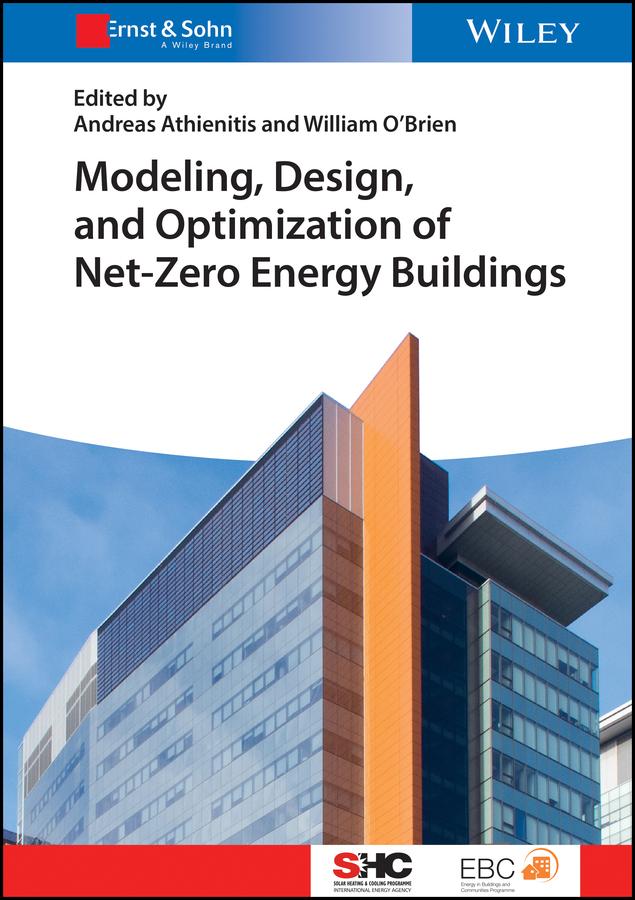
Building energy design is currently going through a period of major changes. One key factor of this is the adoption of net-zero energy as a long term goal for new buildings in most developed countries. To achieve this goal a lot of research is needed to accumulate knowledge and to utilize it in practical applications. In this book, accomplished international experts present advanced modeling techniques as well as in-depth case studies in order to aid designers in optimally using simulation tools for net-zero energy building design. The strategies and technologies discussed in this book are, however, also applicable for the design of energy-plus buildings. This book was facilitated by International Energy Agency's Solar Heating and Cooling (SHC) Programs and the Energy in Buildings and Communities (EBC) Programs through the joint SHC Task 40/EBC Annex 52: Towards Net Zero Energy Solar Buildings R&D collaboration.
After presenting the fundamental concepts, design strategies, and technologies required to achieve net-zero energy in buildings, the book discusses different design processes and tools to support the design of net-zero energy buildings (NZEBs). A substantial chapter reports on four diverse NZEBs that have been operating for at least two years. These case studies are extremely high quality because they all have high resolution measured data and the authors were intimately involved in all of them from conception to operating. By comparing the projections made using the respective design tools with the actual performance data, successful (and unsuccessful) design techniques and processes, design and simulation tools, and technologies are identified.
Written by both academics and practitioners (building designers) and by North Americans as well as Europeans, this book provides a very broad perspective. It includes a detailed description of design processes and a list of appropriate tools for each design phase, plus methods for parametric analysis and mathematical optimization. It is a guideline for building designers that draws from both the profound theoretical background and the vast practical experience of the authors.
After presenting the fundamental concepts, design strategies, and technologies required to achieve net-zero energy in buildings, the book discusses different design processes and tools to support the design of net-zero energy buildings (NZEBs). A substantial chapter reports on four diverse NZEBs that have been operating for at least two years. These case studies are extremely high quality because they all have high resolution measured data and the authors were intimately involved in all of them from conception to operating. By comparing the projections made using the respective design tools with the actual performance data, successful (and unsuccessful) design techniques and processes, design and simulation tools, and technologies are identified.
Written by both academics and practitioners (building designers) and by North Americans as well as Europeans, this book provides a very broad perspective. It includes a detailed description of design processes and a list of appropriate tools for each design phase, plus methods for parametric analysis and mathematical optimization. It is a guideline for building designers that draws from both the profound theoretical background and the vast practical experience of the authors.
Pagine: 396
Categoria: Ingenjörsvetenskap
e-ISBN: 9783433604656
Peso di spedizione: 1.2 kg
Spedito in: 1-2 giorni
Paga facilmente con carta, Klarna, Apple Pay o Google Pay. Non sei soddisfatto? Hai sempre 14 giorni per il rimborso. Leggi di più nei nostri termini. Per qualsiasi domanda, scrivici a hello@memmo.org.
Memmo rende lo studio più facile, ovunque tu sia nel mondo. Qui trovi i tuoi libri di testo e strumenti di studio intelligenti, tutto in un unico posto: riassunti, quiz, podcast e flashcard. E poi c'è Ted, il tuo compagno di studio che risponde a ogni tua domanda. Oltre 50.000 studenti studiano già qui: è stato creato per aiutarti a imparare più velocemente e a stressarti meno.