
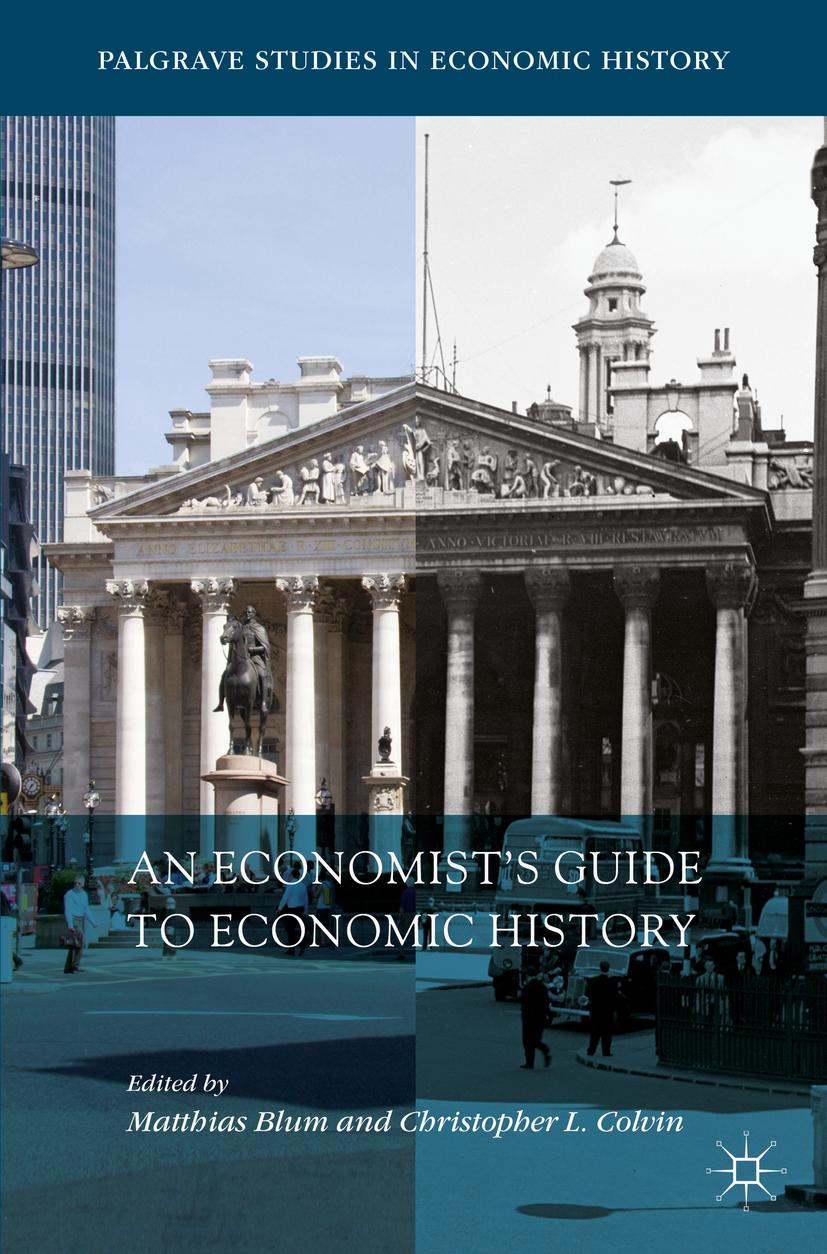
Without economic history, economics runs the risk of being too abstract or parochial, of failing to notice precedents, trends and cycles, of overlooking the long-run and thus misunderstanding ‘how we got here’. Recent financial and economic crises illustrate spectacularly how the economics profession has not learnt from its past.
This important and unique book addresses this problem by demonstrating the power of historical thinking in economic research. Concise chapters guide economics lecturers and their students through the field of economic history, demonstrating the use of historical thinking in economic research, and advising them on how they can actively engage with economic history in their teaching and learning.
Blum and Colvin bring together important voices in the field to show readers how they can use their existing economics training to explore different facets of economic history. Each chapter introduces a question or topic, historical context or research method and explores how they can be used in economics scholarship and pedagogy. In a century characterised to date by economic uncertainty, bubbles and crashes, An Economist’s Guide to Economic History is essential reading.
For further information visit http://www.blumandcolvin.org
Paga facilmente con carta, Klarna, Apple Pay o Google Pay. Non sei soddisfatto? Hai sempre 14 giorni per il rimborso. Leggi di più nei nostri termini. Per qualsiasi domanda, scrivici a hello@memmo.org.
Memmo rende lo studio più facile, ovunque tu sia nel mondo. Qui trovi i tuoi libri di testo e strumenti di studio intelligenti, tutto in un unico posto: riassunti, quiz, podcast e flashcard. E poi c'è Ted, il tuo compagno di studio che risponde a ogni tua domanda. Oltre 50.000 studenti studiano già qui: è stato creato per aiutarti a imparare più velocemente e a stressarti meno.