
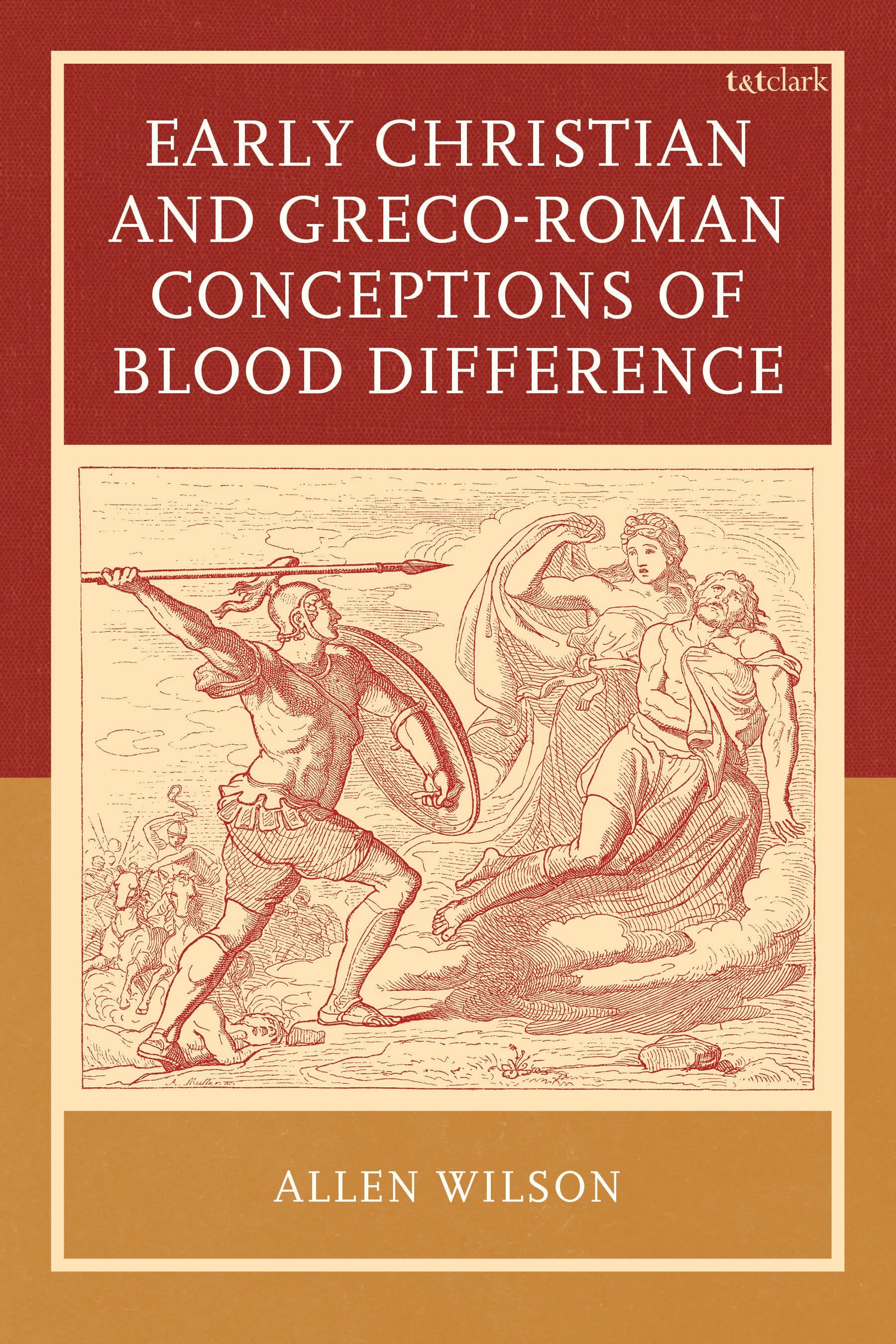
This book interrogates the historical contingency of the common idiom “blood is thicker than water,” asking what the role of Christianity is in the development of blood mythology lurking in everyday speech.
The author examines the concept of blood within Greco-Roman and early Christian contexts, investigating blood's significance beyond a mere biological substance. The analysis traces the evolution of blood's symbolic meaning in order to understand how it relates to conceptions of kinship, purity, and the divine. In the early chapters, the book surveys conceptions of blood and consanguinity in Greco-Roman thought, ranging from the mythologies of Homer and the histories of Livy to the medical descriptions of Galen and Soranus to the ritual descriptions of Jubilees and Ephrem the Syrian. By providing a general survey of Greco-Roman understandings of blood, the book shows, in the remaining chapters, the way specific early Christians drew upon Greco-Roman notions of blood. By outlining how the singularity of the blood of Christ produces different understandings of blood in the writings of Irenaeus, Tertullian, and Origen, the author argues that Christians did not invent blood differentiation but they do intensify the symbolic power of blood to make a difference.
The author examines the concept of blood within Greco-Roman and early Christian contexts, investigating blood's significance beyond a mere biological substance. The analysis traces the evolution of blood's symbolic meaning in order to understand how it relates to conceptions of kinship, purity, and the divine. In the early chapters, the book surveys conceptions of blood and consanguinity in Greco-Roman thought, ranging from the mythologies of Homer and the histories of Livy to the medical descriptions of Galen and Soranus to the ritual descriptions of Jubilees and Ephrem the Syrian. By providing a general survey of Greco-Roman understandings of blood, the book shows, in the remaining chapters, the way specific early Christians drew upon Greco-Roman notions of blood. By outlining how the singularity of the blood of Christ produces different understandings of blood in the writings of Irenaeus, Tertullian, and Origen, the author argues that Christians did not invent blood differentiation but they do intensify the symbolic power of blood to make a difference.
Paga facilmente con carta, Klarna, Apple Pay o Google Pay. Non sei soddisfatto? Hai sempre 14 giorni per il rimborso. Leggi di più nei nostri termini. Per qualsiasi domanda, scrivici a hello@memmo.org.
Memmo rende lo studio più facile, ovunque tu sia nel mondo. Qui trovi i tuoi libri di testo e strumenti di studio intelligenti, tutto in un unico posto: riassunti, quiz, podcast e flashcard. E poi c'è Ted, il tuo compagno di studio che risponde a ogni tua domanda. Oltre 50.000 studenti studiano già qui: è stato creato per aiutarti a imparare più velocemente e a stressarti meno.