
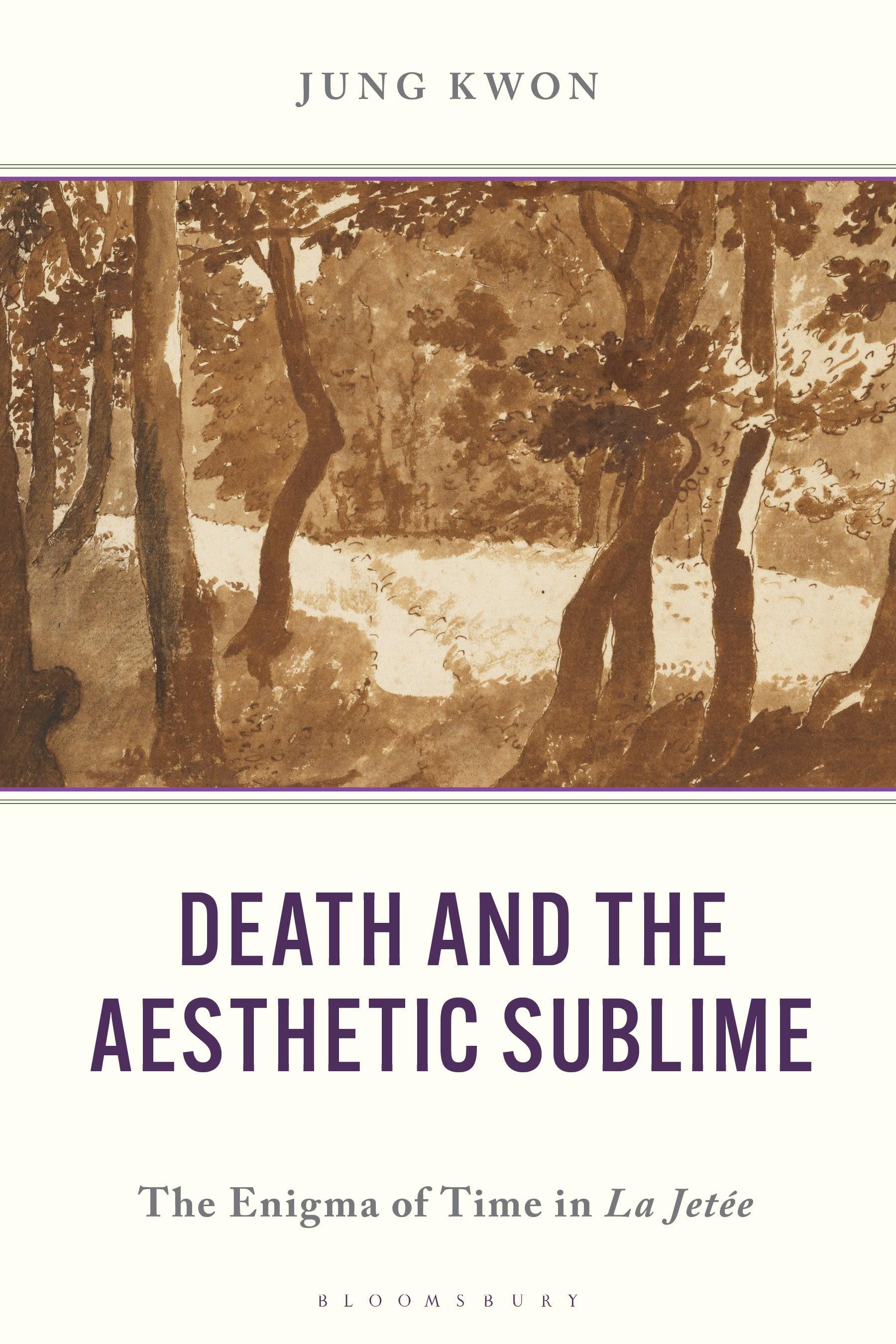
Employing the modern aesthetics of Burke and Kant, as well as Lyotard's postmodern interpretation, this book delineates the elements of sublime experience through exploring the enigmatic cinematic design of Chris Marker's film La Jetée.
There is a striking similarity between remembrance and the sublime in psychological structures and processes. When we remember, we sort out the images of the past in a way to evoke the idea of the irreversible time, and when we experience the sublime, we reflect on the distance from the threat of life in a way to remind us of our vulnerability to death. To scrutinize the sublime as an aesthetic concept, Jung Kwon draws on literature from modern and postmodern philosophy, film studies, philosophy of mind and cognitive science, and Zhuangzi.
Through La Jetée's experimental cinematic design, which consists of a masterful arrangement of still frames, the empathic and imaginative audience cannot help but ponder on what it is to remember. Through deliberately eliminating the illusion of movement, the film presents the profound space of timeless moments, ubiquitous and yet ungraspable, the unpresentable and yet viscerally felt. Jung Kwon argues that Marker's film is a contemplative practice of memory and time, one that takes place simultaneously in the protagonist and the viewer . Memory-in its spiraling loop that defines who we are as experiencing and suffering beings- connects the frozen moments and creates the sense of time passing that inevitably halts at the inescapable barrier of time called death.
There is a striking similarity between remembrance and the sublime in psychological structures and processes. When we remember, we sort out the images of the past in a way to evoke the idea of the irreversible time, and when we experience the sublime, we reflect on the distance from the threat of life in a way to remind us of our vulnerability to death. To scrutinize the sublime as an aesthetic concept, Jung Kwon draws on literature from modern and postmodern philosophy, film studies, philosophy of mind and cognitive science, and Zhuangzi.
Through La Jetée's experimental cinematic design, which consists of a masterful arrangement of still frames, the empathic and imaginative audience cannot help but ponder on what it is to remember. Through deliberately eliminating the illusion of movement, the film presents the profound space of timeless moments, ubiquitous and yet ungraspable, the unpresentable and yet viscerally felt. Jung Kwon argues that Marker's film is a contemplative practice of memory and time, one that takes place simultaneously in the protagonist and the viewer . Memory-in its spiraling loop that defines who we are as experiencing and suffering beings- connects the frozen moments and creates the sense of time passing that inevitably halts at the inescapable barrier of time called death.
Paga facilmente con carta, Klarna, Apple Pay o Google Pay. Non sei soddisfatto? Hai sempre 14 giorni per il rimborso. Leggi di più nei nostri termini. Per qualsiasi domanda, scrivici a hello@memmo.org.
Memmo rende lo studio più facile, ovunque tu sia nel mondo. Qui trovi i tuoi libri di testo e strumenti di studio intelligenti, tutto in un unico posto: riassunti, quiz, podcast e flashcard. E poi c'è Ted, il tuo compagno di studio che risponde a ogni tua domanda. Oltre 50.000 studenti studiano già qui: è stato creato per aiutarti a imparare più velocemente e a stressarti meno.