
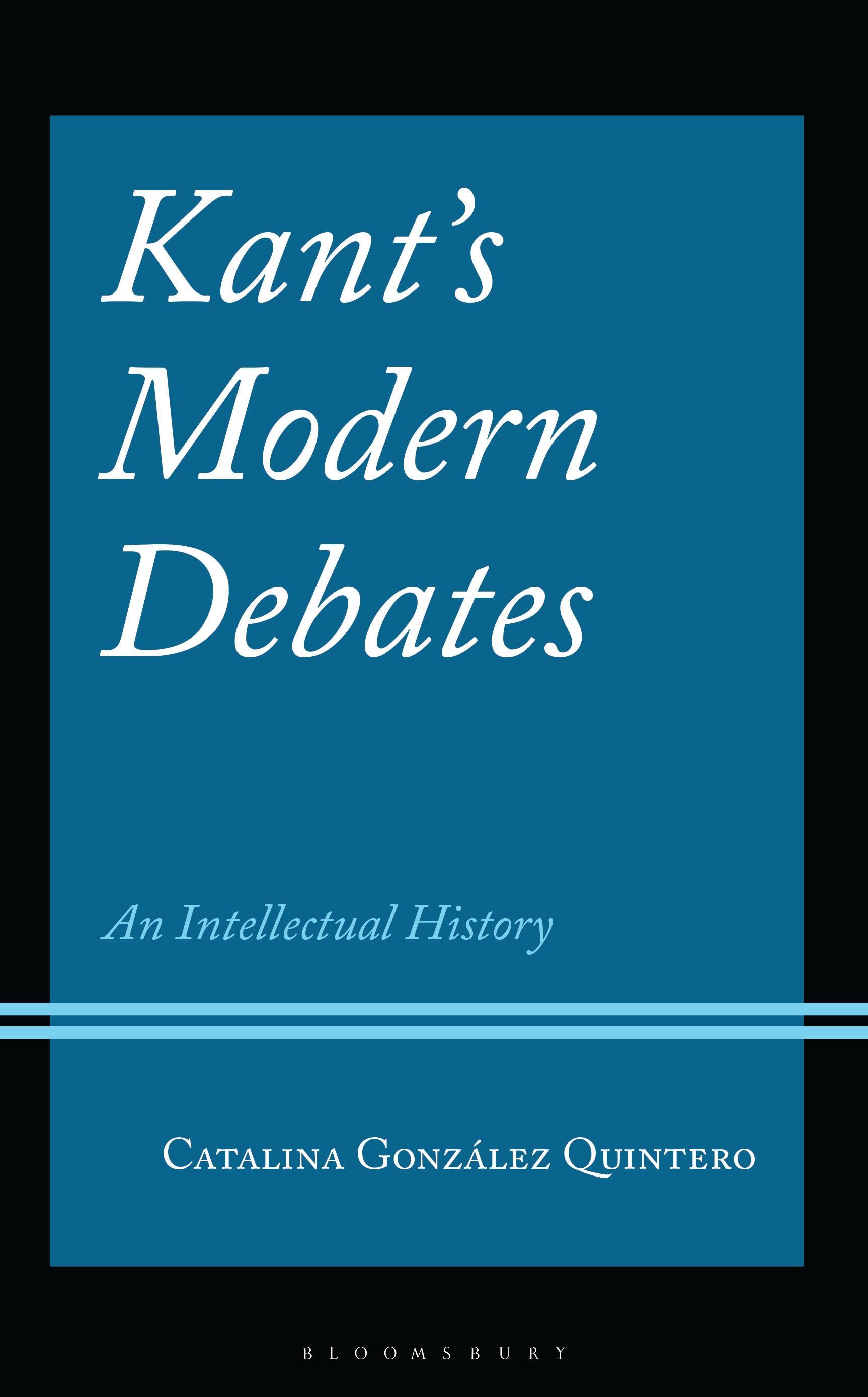
Resituating Kant's work within the Western modern historical tradition provides insight into the originality of his views against the background of pervasive intellectual discussions in the 18th century.
Catalina González embeds essential aspects of Kant's epistemology, metaphysics, morals, and aesthetics into philosophical debates and discussions that, although central to modernity, have not been sufficiently explored by Kantian scholarship. These contexts include disputes between skeptics and anti-skeptics, debates over deism and natural theology, controversies about animal minds, discussions on the foundations of morality, and aesthetic conversations regarding the sublime.
The book's historical perspective is further supplied by a set of methodological reflections drawn from the heterogeneous field of studies of “intellectual history.” It intertwines insights from the Cambridge School of Political Thought or the German Begriffsfgeschichte, and from a wide variety of historians of philosophy, with the analysis of Kant's texts and Kantian scholarship to provide a novel and rigorous account of the historical formation of specific aspects of Kant's thought.
Catalina González embeds essential aspects of Kant's epistemology, metaphysics, morals, and aesthetics into philosophical debates and discussions that, although central to modernity, have not been sufficiently explored by Kantian scholarship. These contexts include disputes between skeptics and anti-skeptics, debates over deism and natural theology, controversies about animal minds, discussions on the foundations of morality, and aesthetic conversations regarding the sublime.
The book's historical perspective is further supplied by a set of methodological reflections drawn from the heterogeneous field of studies of “intellectual history.” It intertwines insights from the Cambridge School of Political Thought or the German Begriffsfgeschichte, and from a wide variety of historians of philosophy, with the analysis of Kant's texts and Kantian scholarship to provide a novel and rigorous account of the historical formation of specific aspects of Kant's thought.
Paga facilmente con carta, Klarna, Apple Pay o Google Pay. Non sei soddisfatto? Hai sempre 14 giorni per il rimborso. Leggi di più nei nostri termini. Per qualsiasi domanda, scrivici a hello@memmo.org.
Memmo rende lo studio più facile, ovunque tu sia nel mondo. Qui trovi i tuoi libri di testo e strumenti di studio intelligenti, tutto in un unico posto: riassunti, quiz, podcast e flashcard. E poi c'è Ted, il tuo compagno di studio che risponde a ogni tua domanda. Oltre 50.000 studenti studiano già qui: è stato creato per aiutarti a imparare più velocemente e a stressarti meno.