
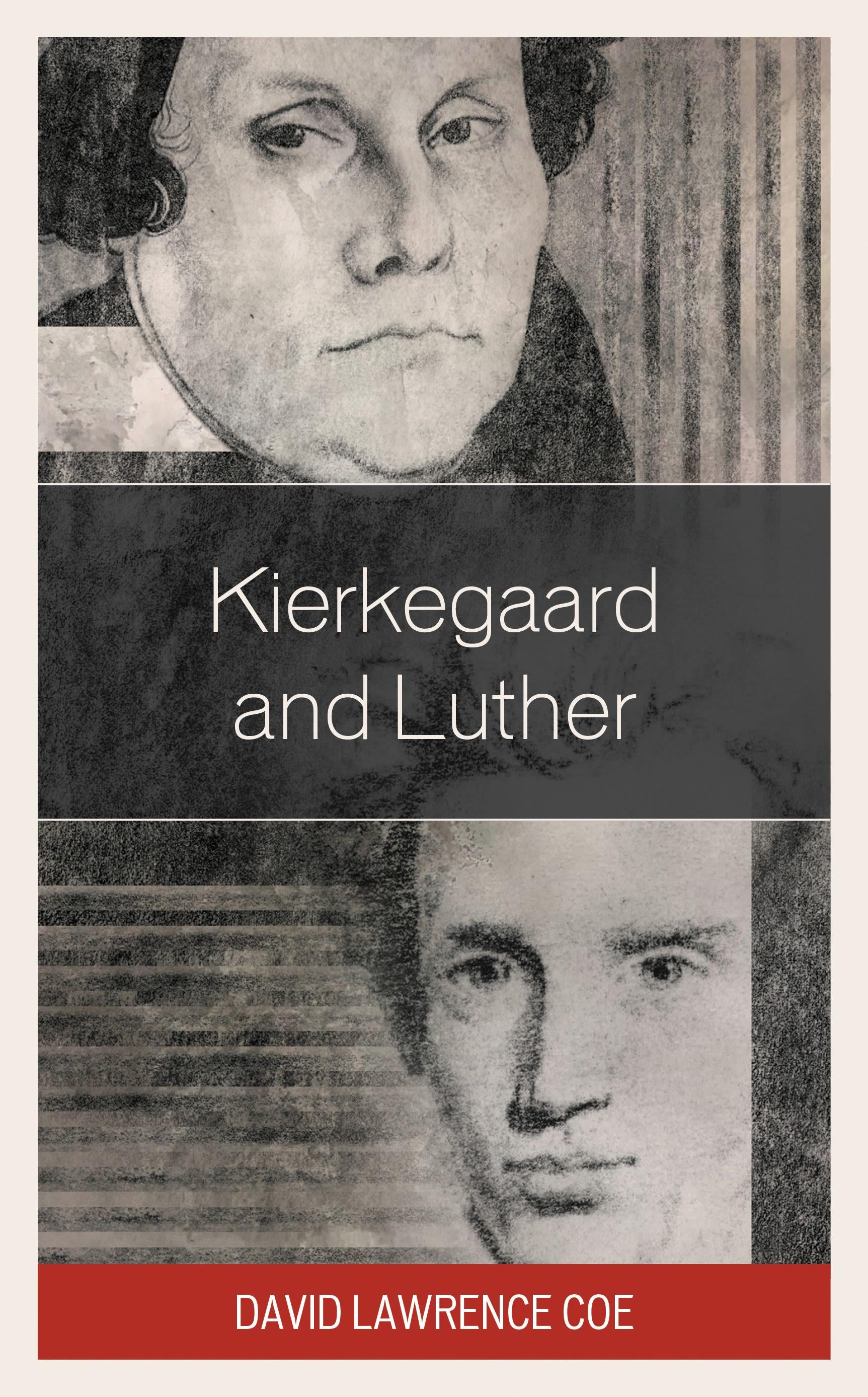
Søren Kierkegaard denounced nineteenth-century Danish Lutheranism for exploiting Martin Luther's doctrine of justification "without works" as justification for an antinomian easy life. Kierkegaard saw his own writing as a corrective: “I have wanted to prevent people in ‘Christendom’ from existentially taking in vain Luther and the significance of Luther's life.” In 1847, Kierkegaard began an eight-year reading of Luther’s sermons, forking through them for extracts to confirm his theological corrective rather than to comprehend the breadth of Luther’s thought. While he found much to laud, Kierkegaard also found much to lance, privately commenting that Luther was partially responsible for what he considered the problematic Lutheranism of his own day. Furthermore, David Coe argues, Kierkegaard was unaware that his copy of Luther's church and house postils was a heavily abridged edition of extracts from those postils. Therefore, his appraisal of Luther begs to be investigated. Kierkegaard and Luther examines the Luther sermons Kierkegaard read, what he praised and criticized, missed, and misjudged of Luther, and spotlights the concord these two Lutheran giants actually shared, namely, the negative yet necessary role that Christian suffering (Anfechtung/Anfægtelse) plays in Christian faith and life.
Paga facilmente con carta, Klarna, Apple Pay o Google Pay. Non sei soddisfatto? Hai sempre 14 giorni per il rimborso. Leggi di più nei nostri termini. Per qualsiasi domanda, scrivici a hello@memmo.org.
Memmo rende lo studio più facile, ovunque tu sia nel mondo. Qui trovi i tuoi libri di testo e strumenti di studio intelligenti, tutto in un unico posto: riassunti, quiz, podcast e flashcard. E poi c'è Ted, il tuo compagno di studio che risponde a ogni tua domanda. Oltre 50.000 studenti studiano già qui: è stato creato per aiutarti a imparare più velocemente e a stressarti meno.