
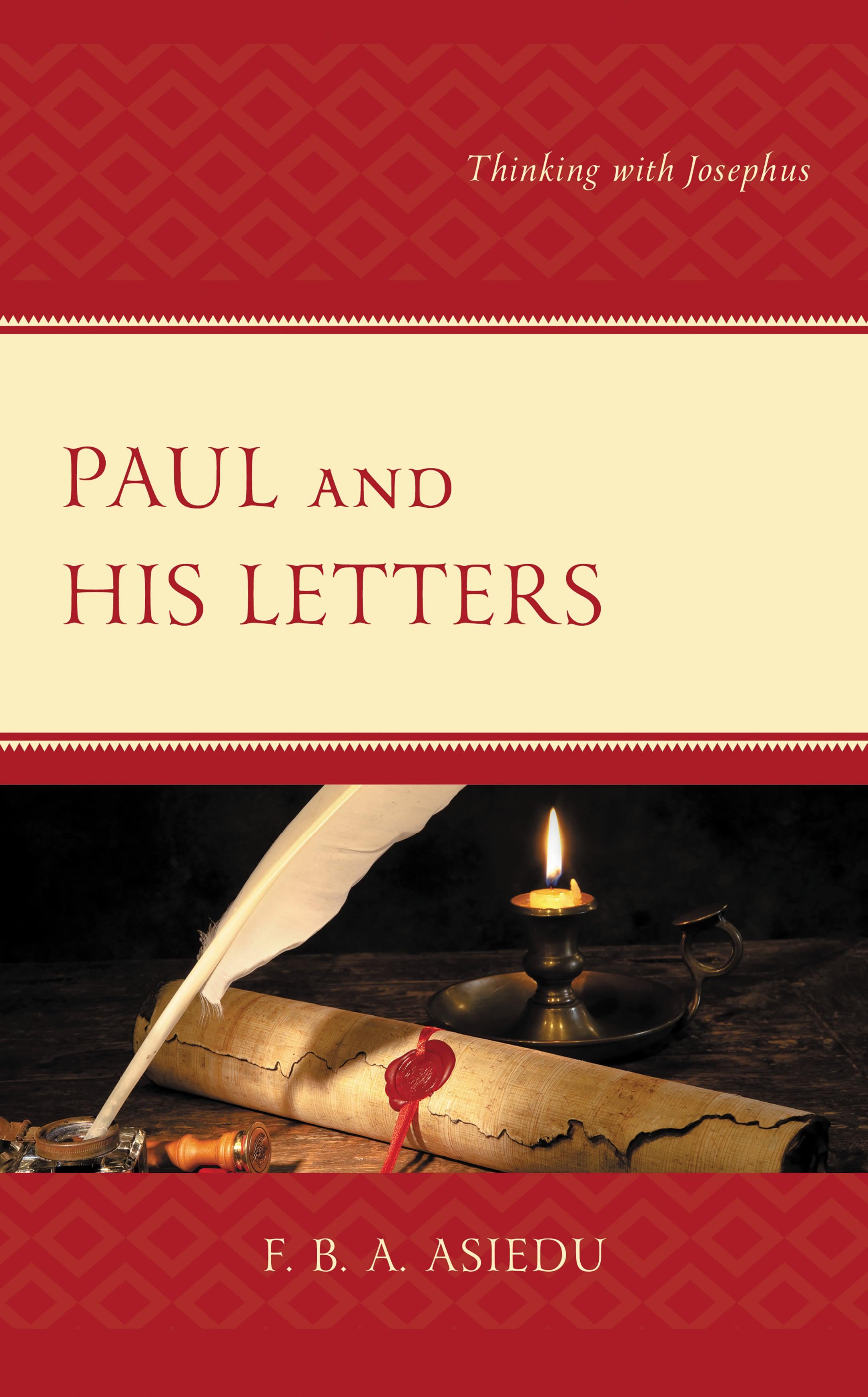
Paul the apostle and historian Flavius Josephus spent considerable parts of their careers away from Jerusalem. They cultivated Roman audiences under very different circumstances: Paul with his Letter to the Romans, and Josephus with the writings he produced in Rome after the Jewish War. Curiously, Paul’s last visit to Jerusalem coincided with Josephus’s entry into public life, a period about which Josephus is deliberately silent. In Paul and His Letters: Thinking with Josephus, F. B. A. Asiedu selects themes from Josephus’s life to explore Paul’s letters and biography that contribute to his uniqueness in Jewish history. He highlights, for example, the need to read Romans 9–11 as aporetic discourse to appreciate Paul as an existential thinker. Asiedu considers, among other things, the authenticity of Paul’s letters and offers an alternative to the prevailing scholarly consensus. He also maintains that the Pauline collection in the New Testament first took shape in the house of Gaius in Corinth, where Paul composed his Letter to the Romans. Asiedu also suggests that the traditional view that Luke the physician wrote the Acts of the Apostles is probably a mistake. He argues that Titus the Greek, the coworker and friend of Barnabas and Paul, most likely authored it.
Paga facilmente con carta, Klarna, Apple Pay o Google Pay. Non sei soddisfatto? Hai sempre 14 giorni per il rimborso. Leggi di più nei nostri termini. Per qualsiasi domanda, scrivici a hello@memmo.org.
Memmo rende lo studio più facile, ovunque tu sia nel mondo. Qui trovi i tuoi libri di testo e strumenti di studio intelligenti, tutto in un unico posto: riassunti, quiz, podcast e flashcard. E poi c'è Ted, il tuo compagno di studio che risponde a ogni tua domanda. Oltre 50.000 studenti studiano già qui: è stato creato per aiutarti a imparare più velocemente e a stressarti meno.