
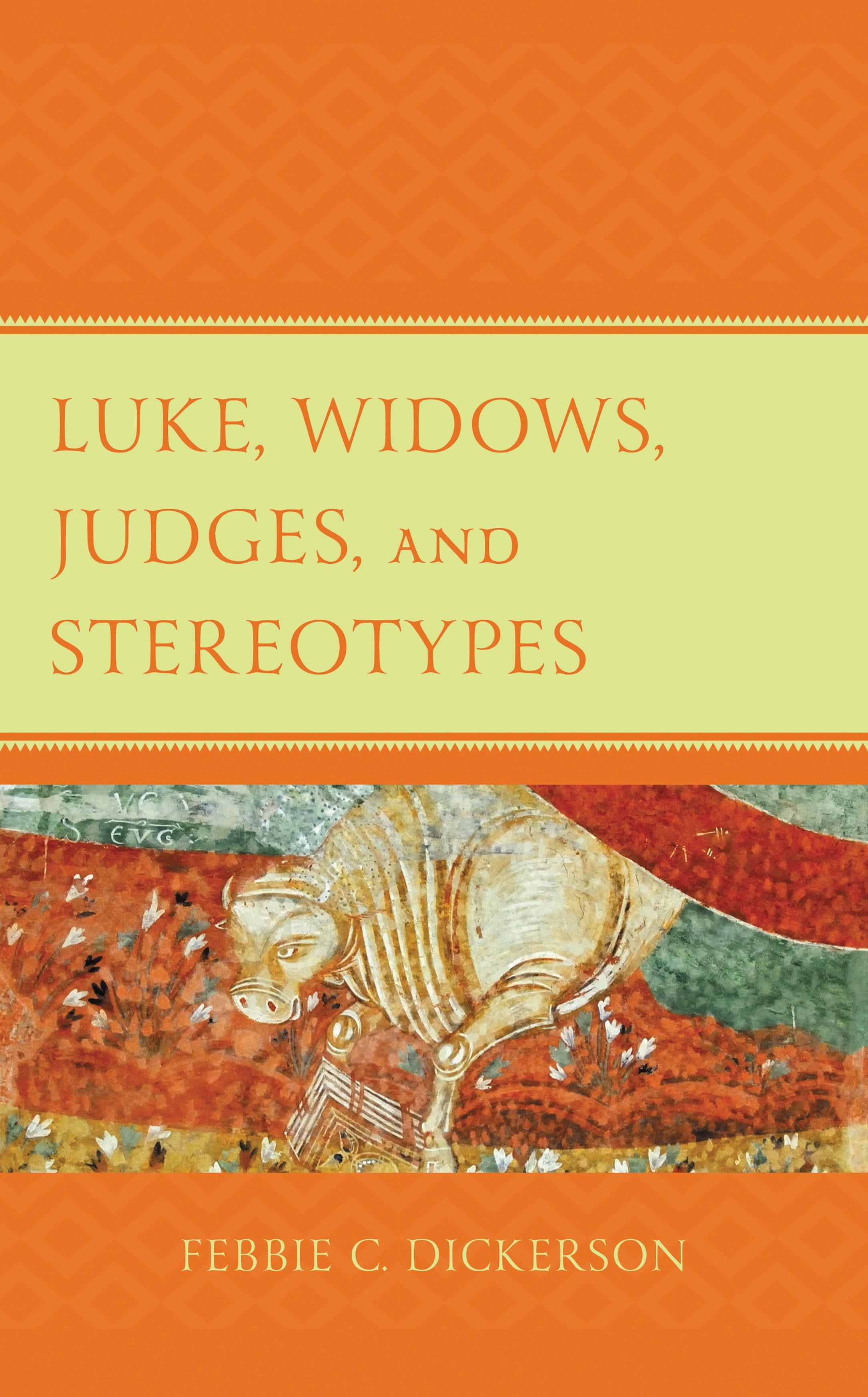
Biblical narratives are not simply sacred stories for religious communities: They are stories that provide transformative insight into cultural biases. By putting historical criticism and reception history into dialogue with womanist biblical hermeneutics, Luke, Widows, Judges, and Stereotypes offers a provocative reading of Jesus’ parable about a widow who confronts a judge and obtains what she seeks by means of physical threat. Rather than simply reading the widow as the model for “one who prays always and does not lose heart” (Luke 18:1), Dickerson shows that read in the context of Luke’s wider narrative, the widow, domesticated and robbed both of her agency and moral ambiguity, is more likely demanding vengeance instead of justice. Likewise, rather than simply reading the judge as one "who neither feared God nor had respect for people" (Luke 18:2), Dickerson argues that the judge is both an ideal man and one who compromises standards of ancient masculinity. Then, reading both the widow and judge through African American stereotypes (Mammy, Jezebel, Sapphire, Cool Black Male, Master-Pastor, and Foolish Judge) that are used to degrade, debase, and control, and reading them into and in light of the parable, Dickerson demonstrates how the parable calls into question these stereotypes thereby producing new liberative readings.
Paga facilmente con carta, Klarna, Apple Pay o Google Pay. Non sei soddisfatto? Hai sempre 14 giorni per il rimborso. Leggi di più nei nostri termini. Per qualsiasi domanda, scrivici a hello@memmo.org.
Memmo rende lo studio più facile, ovunque tu sia nel mondo. Qui trovi i tuoi libri di testo e strumenti di studio intelligenti, tutto in un unico posto: riassunti, quiz, podcast e flashcard. E poi c'è Ted, il tuo compagno di studio che risponde a ogni tua domanda. Oltre 50.000 studenti studiano già qui: è stato creato per aiutarti a imparare più velocemente e a stressarti meno.