
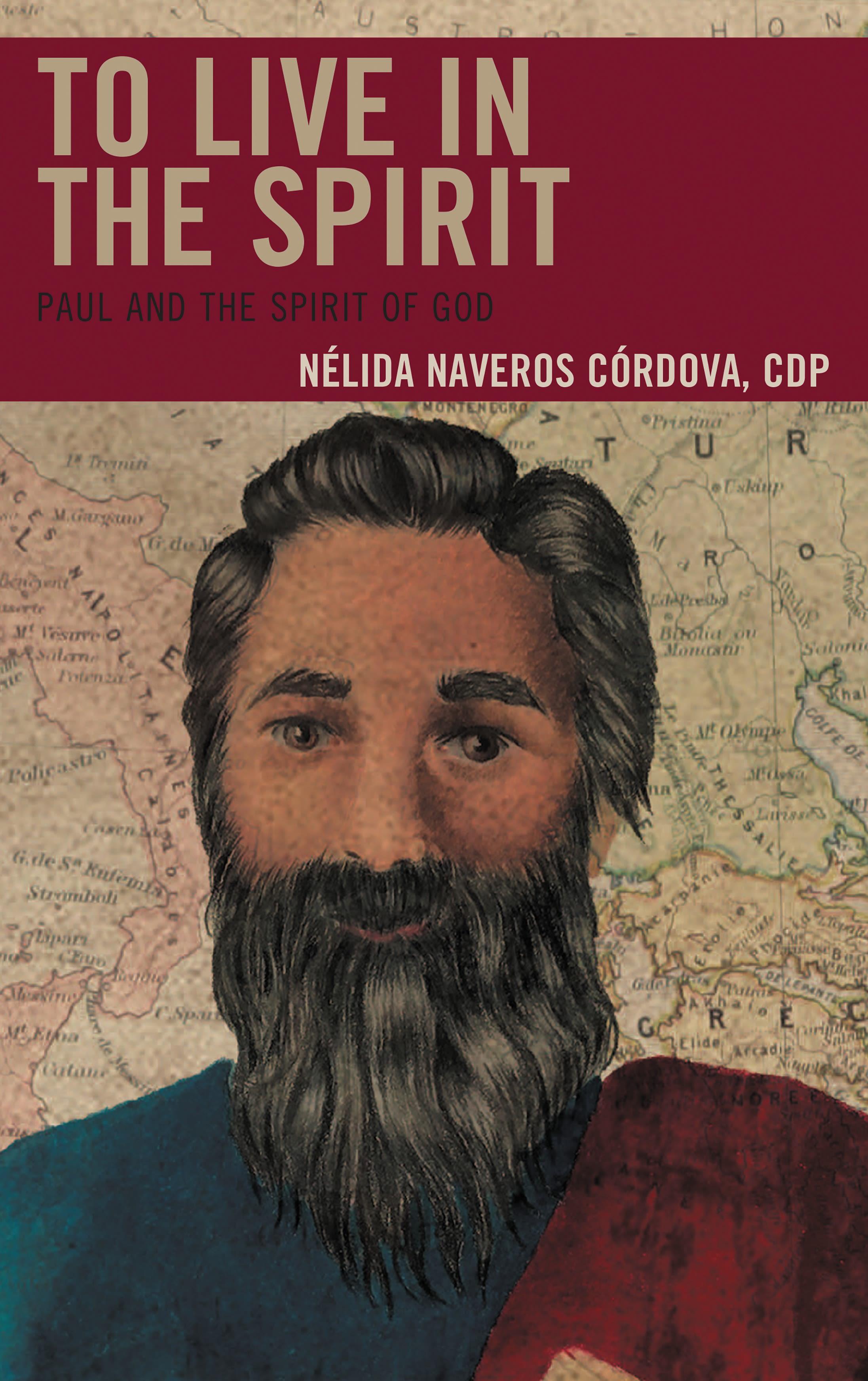
This book examines the apostle Paul's messages concerning p?e?µa's (spirit) primary function in the acquisition of virtues and avoidance of vices.
To Live in the Spirit: Paul and the Spirit of God brings to light a fresh understanding of the Greek concept p?e?µa (spirit) in Paul's ethical teaching. Placing Paul and his mixed audience within the Hellenistic Jewish and Greek (philosophical) traditions of the ancient world, this book examines his new message concerning p?e?µa's primary function in the acquisition of virtues and avoidance of vices. Looking in detail at the various ways in which Paul views p?e?µa in his seven undisputed letters, Naveros Córdova explores p?e?µa's development from Paul's initial ethical reflections in his early letters to a more mature view in his later letters. Naveros Córdova argues that it is within these traditions, represented by major Hellenistic Jewish and Greco-Roman writers, that Paul construes the framework of his ethical teaching. Paul finds in the power of God's p?e?µa a new ethical alternative for his mixed audience to living lives pleasing to God outside the observance of the Mosaic Law. Naveros Córdova demonstrates how Paul draws upon Platonic (immaterial p?e?µa) and Stoic (material p?e?µa) language that would have been familiar to his hearers in the early Christian communities to create a persuasive understanding of ethical performance and to show that the moral life of the believers springs from that p?e?µa received from God. In his efforts to highlight p?e?µa's central role in his ethics, Paul moves beyond both traditions by describing the “Christification” of p?e?µa not only in Stoic terms, but also in Middle Platonic categories of the first century CE.
To Live in the Spirit: Paul and the Spirit of God brings to light a fresh understanding of the Greek concept p?e?µa (spirit) in Paul's ethical teaching. Placing Paul and his mixed audience within the Hellenistic Jewish and Greek (philosophical) traditions of the ancient world, this book examines his new message concerning p?e?µa's primary function in the acquisition of virtues and avoidance of vices. Looking in detail at the various ways in which Paul views p?e?µa in his seven undisputed letters, Naveros Córdova explores p?e?µa's development from Paul's initial ethical reflections in his early letters to a more mature view in his later letters. Naveros Córdova argues that it is within these traditions, represented by major Hellenistic Jewish and Greco-Roman writers, that Paul construes the framework of his ethical teaching. Paul finds in the power of God's p?e?µa a new ethical alternative for his mixed audience to living lives pleasing to God outside the observance of the Mosaic Law. Naveros Córdova demonstrates how Paul draws upon Platonic (immaterial p?e?µa) and Stoic (material p?e?µa) language that would have been familiar to his hearers in the early Christian communities to create a persuasive understanding of ethical performance and to show that the moral life of the believers springs from that p?e?µa received from God. In his efforts to highlight p?e?µa's central role in his ethics, Paul moves beyond both traditions by describing the “Christification” of p?e?µa not only in Stoic terms, but also in Middle Platonic categories of the first century CE.
Paga facilmente con carta, Klarna, Apple Pay o Google Pay. Non sei soddisfatto? Hai sempre 14 giorni per il rimborso. Leggi di più nei nostri termini. Per qualsiasi domanda, scrivici a hello@memmo.org.
Memmo rende lo studio più facile, ovunque tu sia nel mondo. Qui trovi i tuoi libri di testo e strumenti di studio intelligenti, tutto in un unico posto: riassunti, quiz, podcast e flashcard. E poi c'è Ted, il tuo compagno di studio che risponde a ogni tua domanda. Oltre 50.000 studenti studiano già qui: è stato creato per aiutarti a imparare più velocemente e a stressarti meno.