
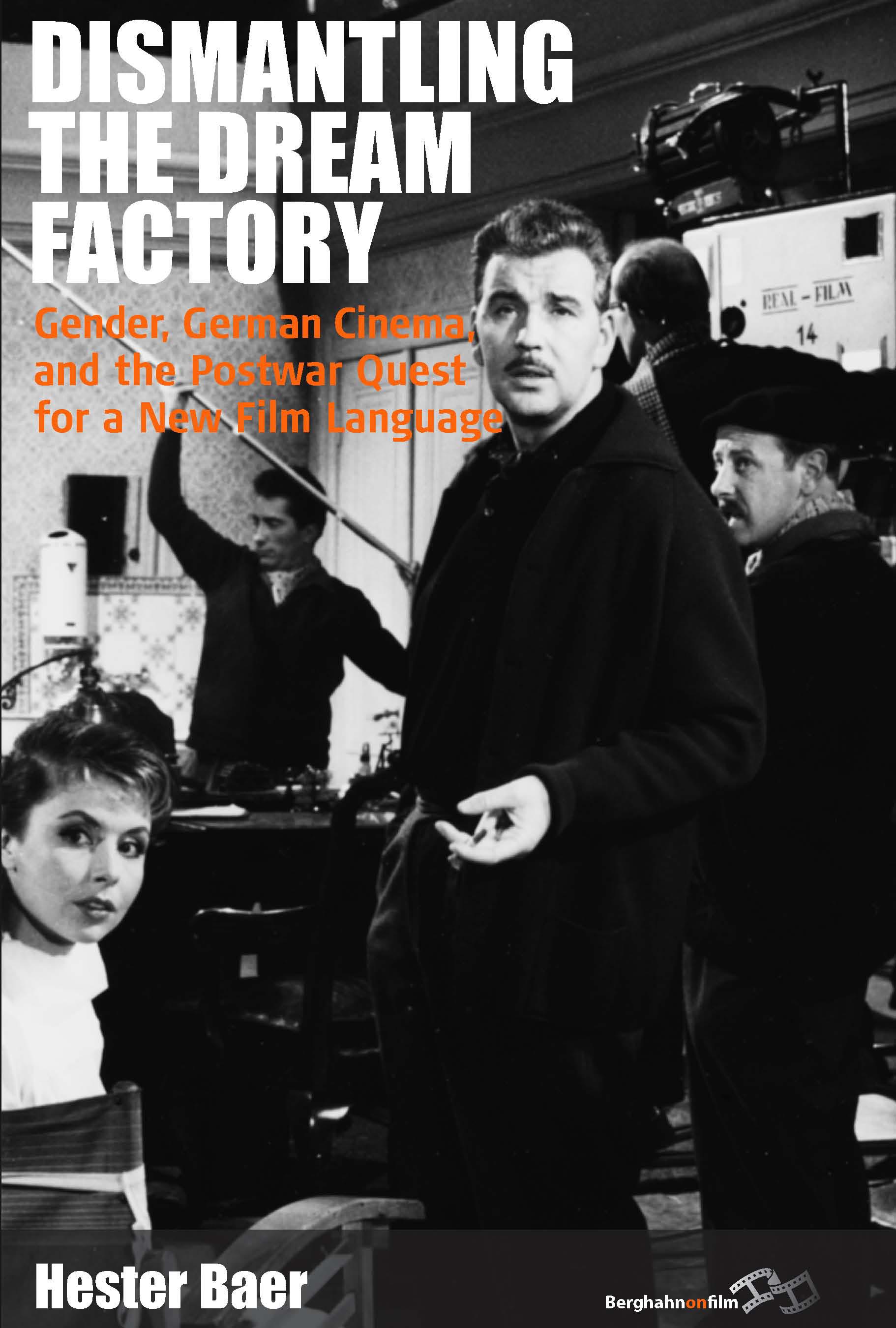
The history of postwar German cinema has most often been told as a story of failure, a failure paradoxically epitomized by the remarkable popularity of film throughout the late 1940s and 1950s. Through the analysis of 10 representative films, Hester Baer reassesses this period, looking in particular at how the attempt to ‘dismantle the dream factory’ of Nazi entertainment cinema resulted in a new cinematic language which developed as a result of the changing audience demographic. In an era when female viewers comprised 70 per cent of cinema audiences a ‘women’s cinema’ emerged, which sought to appeal to female spectators through its genres, star choices, stories and formal conventions. In addition to analyzing the formal language and narrative content of these films, Baer uses a wide array of other sources to reconstruct the original context of their reception, including promotional and publicity materials, film programs, censorship documents, reviews and spreads in fan magazines. This book presents a new take on an essential period, which saw the rebirth of German cinema after its thorough delegitimization under the Nazi regime.
Paga facilmente con carta, Klarna, Apple Pay o Google Pay. Non sei soddisfatto? Hai sempre 14 giorni per il rimborso. Leggi di più nei nostri termini. Per qualsiasi domanda, scrivici a hello@memmo.org.
Memmo rende lo studio più facile, ovunque tu sia nel mondo. Qui trovi i tuoi libri di testo e strumenti di studio intelligenti, tutto in un unico posto: riassunti, quiz, podcast e flashcard. E poi c'è Ted, il tuo compagno di studio che risponde a ogni tua domanda. Oltre 50.000 studenti studiano già qui: è stato creato per aiutarti a imparare più velocemente e a stressarti meno.