
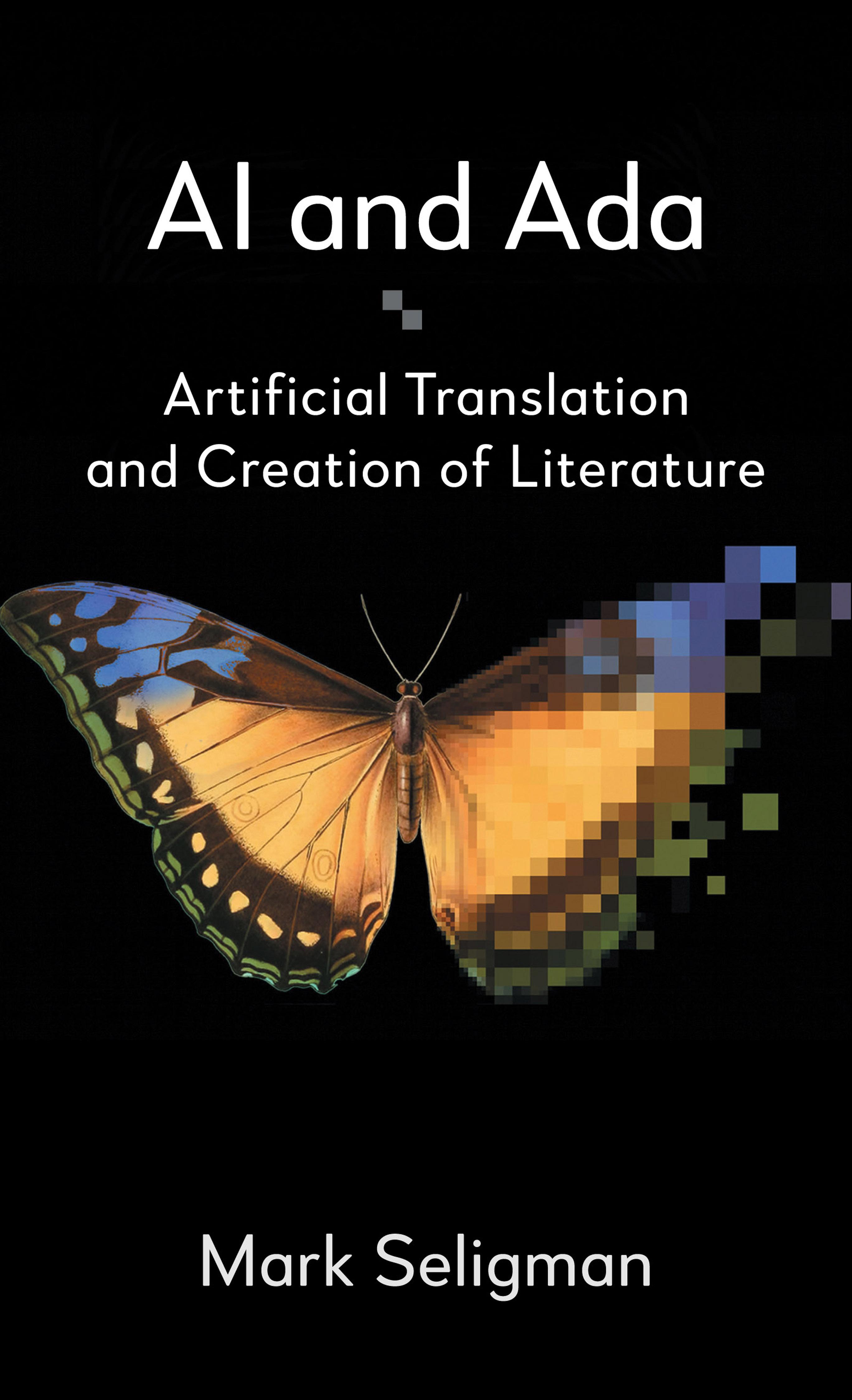
The book’s Preface places the current AI explosion in the context of other technological cataclysms and recounts the author’s personal (and not always deadly serious) AI journey. Chapter One (“Extracting the Essence”) assesses the potential of machine translation of literature, exploiting Vladimir Nabokov’s hyperconscious literary art as a reference point. Chapter Two (“Toward an Artificial Nabokov”) goes on to speculate on possibilities for actual artificial creation of literature. Chapter Three (“Large Literary Models? Intelligence and Language in the LLM Era”) explains recent spectacular progress in Generative Artificial Intelligence (GenAI), as exemplified by Large Language Models like ChatGPT. On the way, the chapter ventures to tackle perennial questions (“What is intelligence?” “What is language?”) and culminates in an assortment of striking demos. The volume’s Sendoff considers whether machines, while now arguably intelligent, can ever also gain sufficient sensation and emotion to create language art with other than borrowed depth – and, while viewing this development as likely all too soon, declines to despair on that account.
Paga facilmente con carta, Klarna, Apple Pay o Google Pay. Non sei soddisfatto? Hai sempre 14 giorni per il rimborso. Leggi di più nei nostri termini. Per qualsiasi domanda, scrivici a hello@memmo.org.
Memmo rende lo studio più facile, ovunque tu sia nel mondo. Qui trovi i tuoi libri di testo e strumenti di studio intelligenti, tutto in un unico posto: riassunti, quiz, podcast e flashcard. E poi c'è Ted, il tuo compagno di studio che risponde a ogni tua domanda. Oltre 50.000 studenti studiano già qui: è stato creato per aiutarti a imparare più velocemente e a stressarti meno.