
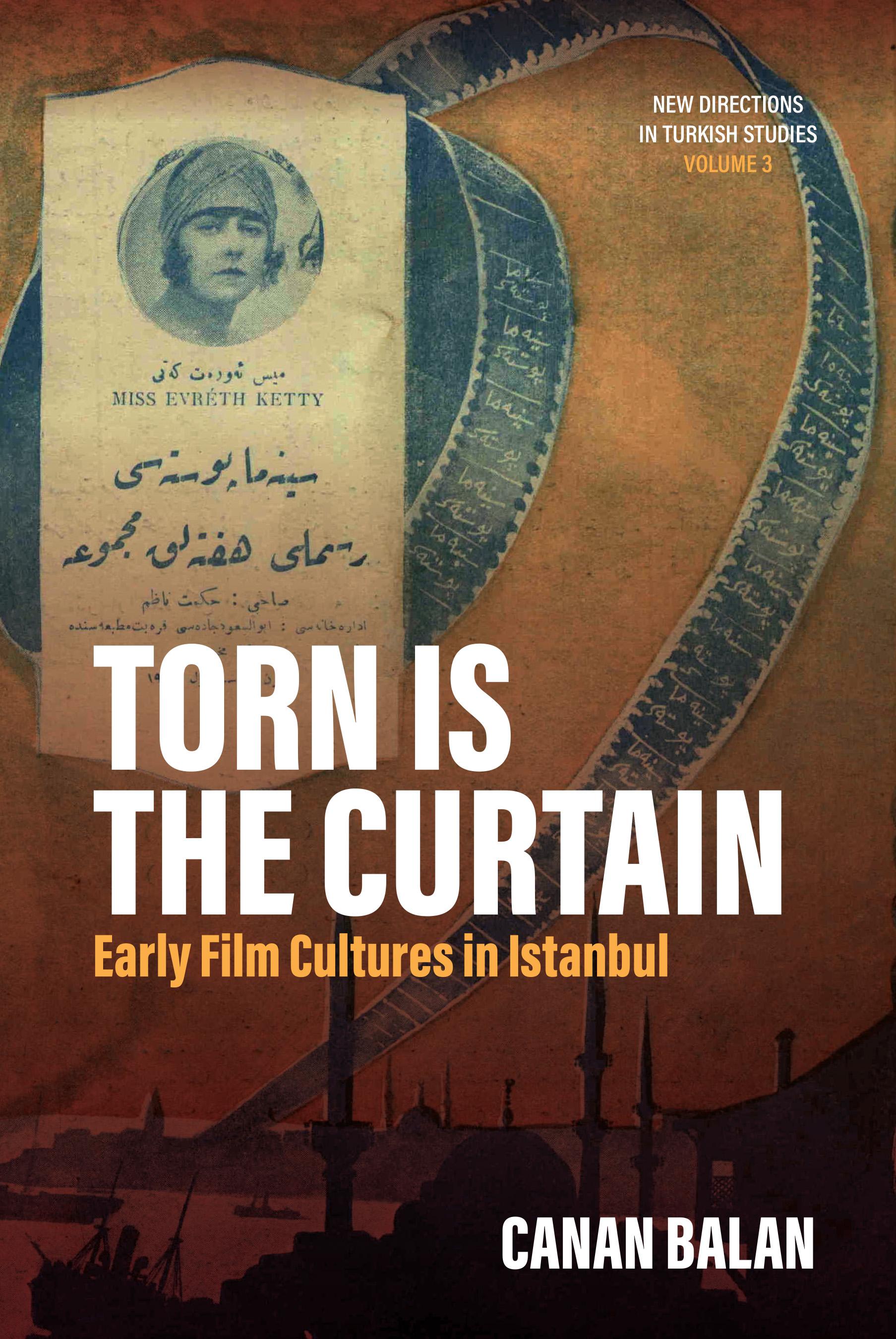
Offering a feminist history of cinema at the edges of empire and the nation-state, this book explores how gender, class, and ethno-religious divisions were projected, performed, and entangled. It Focuses on the former Ottoman capital from the late nineteenth century to the early 1930s and investigates how cinema both reflected and shaped Istanbul’s complex social fabric. Drawing on a wide range of primary sources—including newspapers, trade records, consular reports, memoirs, novels, Islamic teachings, poems, shadow-play texts, and surviving silent films—it situates early cinematic experiences within the intersecting contexts of societal change, gender politics, and competing worldviews. The analysis reveals how religious and cultural practices, particularly the Alevi-Bektashi faith and the women’s movement, informed emerging notions of cinematic modernity and cross-cultural exchange in the region.
Paga facilmente con carta, Klarna, Apple Pay o Google Pay. Non sei soddisfatto? Hai sempre 14 giorni per il rimborso. Leggi di più nei nostri termini. Per qualsiasi domanda, scrivici a hello@memmo.org.
Memmo rende lo studio più facile, ovunque tu sia nel mondo. Qui trovi i tuoi libri di testo e strumenti di studio intelligenti, tutto in un unico posto: riassunti, quiz, podcast e flashcard. E poi c'è Ted, il tuo compagno di studio che risponde a ogni tua domanda. Oltre 50.000 studenti studiano già qui: è stato creato per aiutarti a imparare più velocemente e a stressarti meno.