
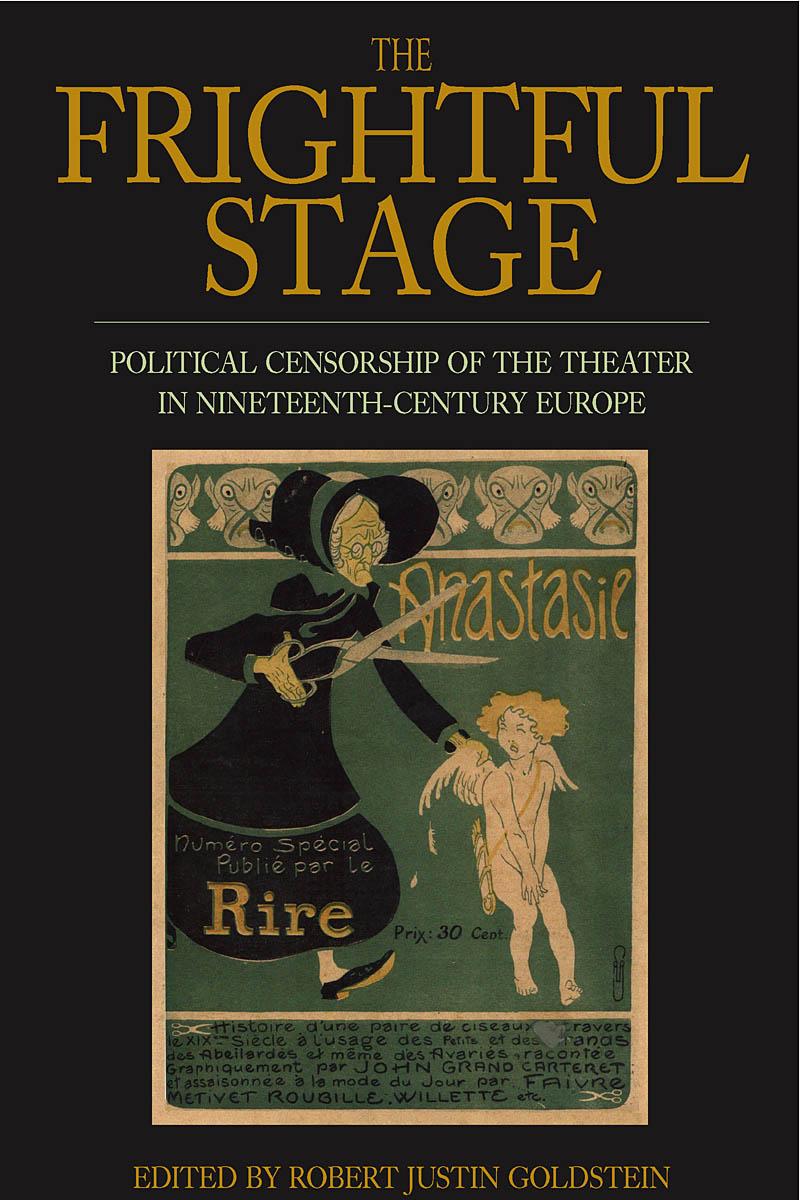
In nineteenth-century Europe the ruling elites viewed the theater as a form of communication which had enormous importance. The theater provided the most significant form of mass entertainment and was the only arena aside from the church in which regular mass gatherings were possible. Therefore, drama censorship occupied a great deal of the ruling class’s time and energy, with a particularly focus on proposed scripts that potentially threatened the existing political, legal, and social order. This volume provides the first comprehensive examination of nineteenth-century political theater censorship at a time, in the aftermath of the French Revolution, when the European population was becoming increasingly politically active.
Paga facilmente con carta, Klarna, Apple Pay o Google Pay. Non sei soddisfatto? Hai sempre 14 giorni per il rimborso. Leggi di più nei nostri termini. Per qualsiasi domanda, scrivici a hello@memmo.org.
Memmo rende lo studio più facile, ovunque tu sia nel mondo. Qui trovi i tuoi libri di testo e strumenti di studio intelligenti, tutto in un unico posto: riassunti, quiz, podcast e flashcard. E poi c'è Ted, il tuo compagno di studio che risponde a ogni tua domanda. Oltre 50.000 studenti studiano già qui: è stato creato per aiutarti a imparare più velocemente e a stressarti meno.