
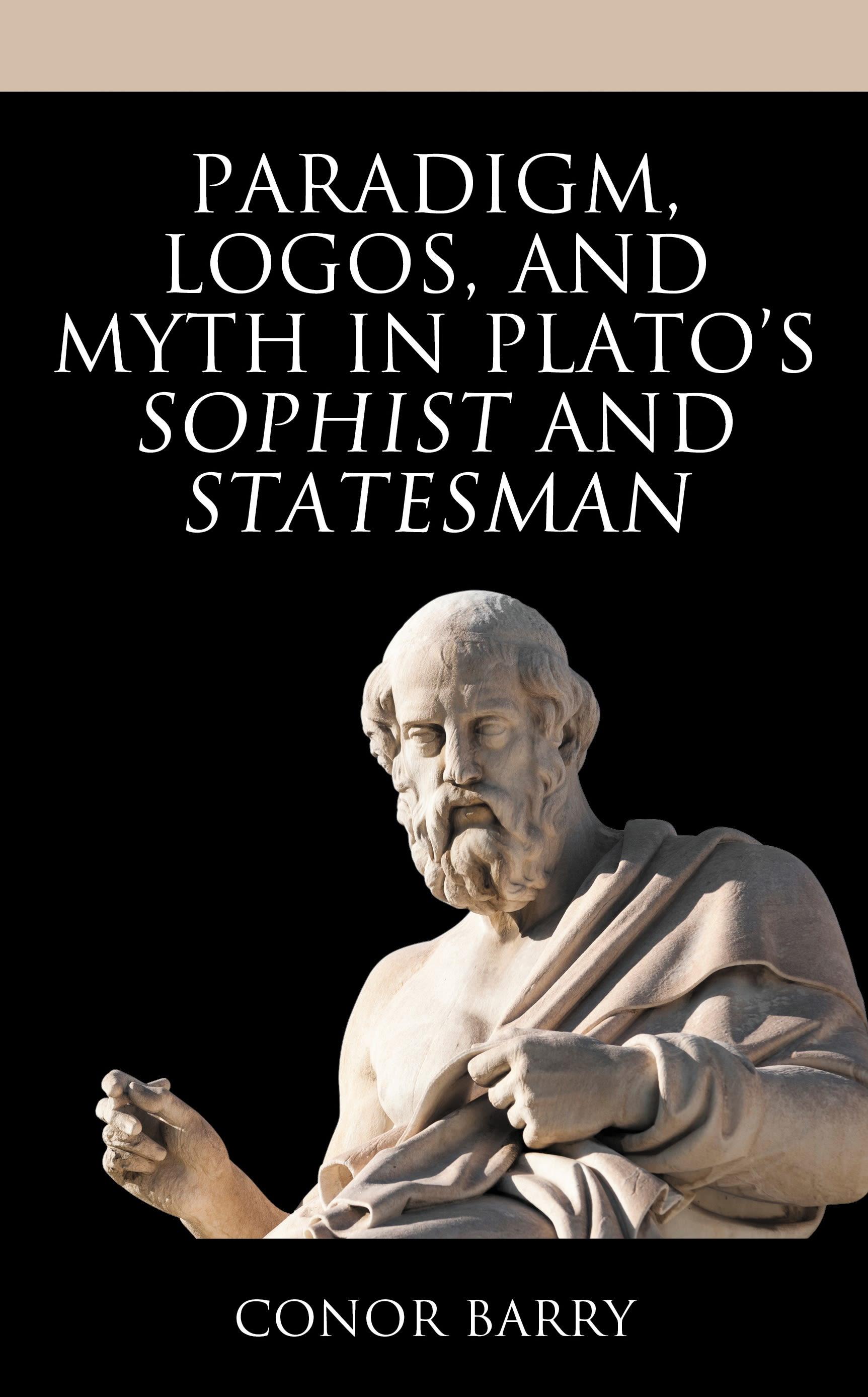
In a sustained study of the Sophist and Statesman, this book explores the use of paradigm, logos, and myth. Plato introduces in these dialogues the term “paradigm” to signify an image or model that can be used to yield insight into higher, ethical realities that are themselves beyond direct visual portrayal. He employs the term to signify an inductive example that can be defined. Finally, Plato shows how to rework existing narrative and myth to an ethically appropriate end. Since this exercise in the Statesman is described as training in dialectic, in Paradigm, Logos, and Myth in Plato's Sophist and Statesman Conor Barry demonstrates how these later works expand the compass of dialectic beyond narrow conceptions that restrict the scope of dialectic to the use of logical techniques. Rather, dialectic is the practice of dialogue as portrayed in the Platonic dialogues, which can involve appeal to analogies and figurative expressions in the search for an understanding of the ethical good. Plato’s dialogues, as works of literary art, aim to lead people to seek such understanding. Nevertheless, insofar as the dialogues are themselves artistic productions, they must also be objects of critical scrutiny and questioning.
Paga facilmente con carta, Klarna, Apple Pay o Google Pay. Non sei soddisfatto? Hai sempre 14 giorni per il rimborso. Leggi di più nei nostri termini. Per qualsiasi domanda, scrivici a hello@memmo.org.
Memmo rende lo studio più facile, ovunque tu sia nel mondo. Qui trovi i tuoi libri di testo e strumenti di studio intelligenti, tutto in un unico posto: riassunti, quiz, podcast e flashcard. E poi c'è Ted, il tuo compagno di studio che risponde a ogni tua domanda. Oltre 50.000 studenti studiano già qui: è stato creato per aiutarti a imparare più velocemente e a stressarti meno.