
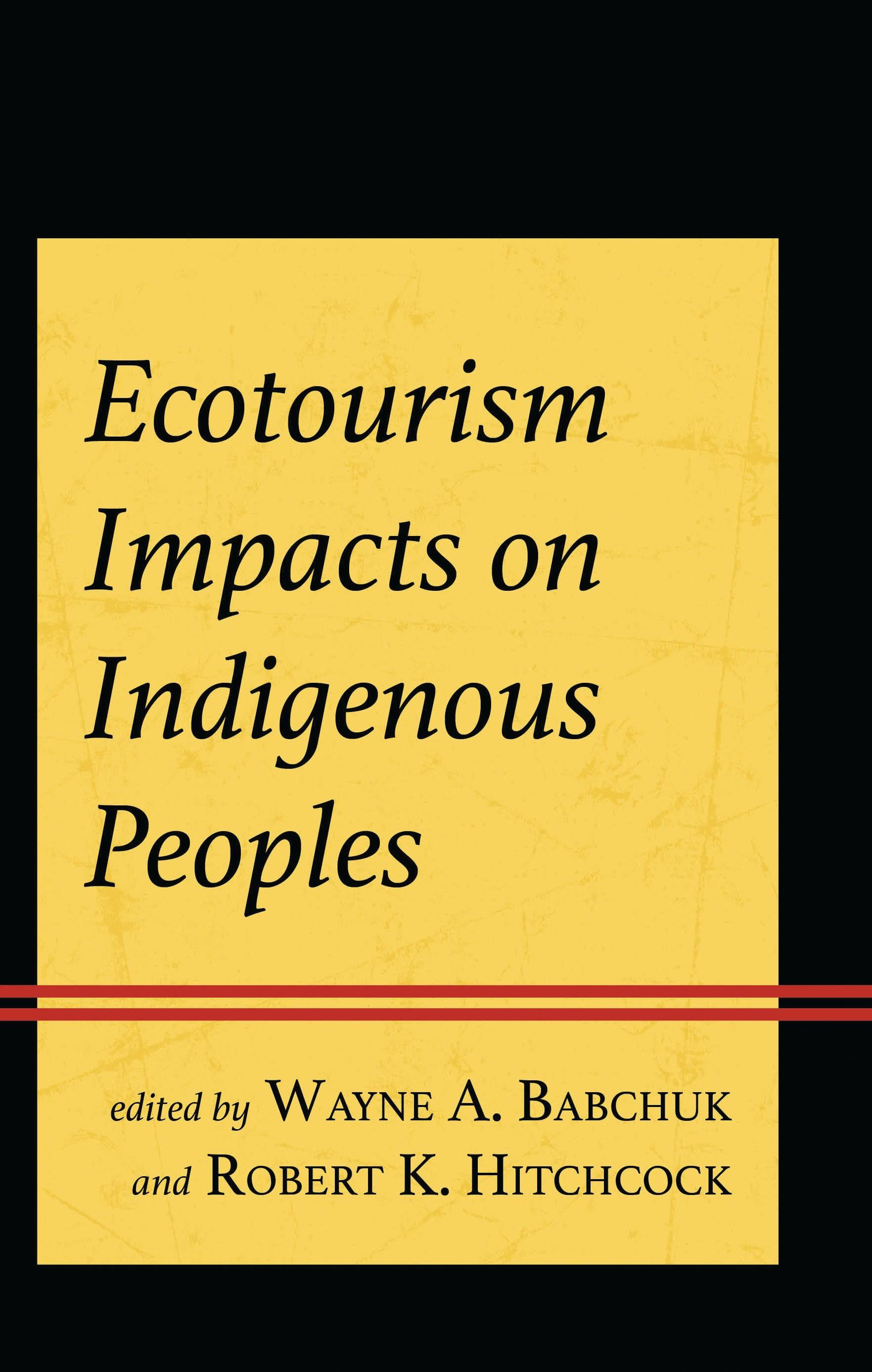
Ecotourism Impacts on Indigenous Peoples
Autore: Robert K. Hitchcock, Megan Biesele, Wayne A. Babchuk, F. Sonia Arellano-Lopez, Roderick Taufan Jan Buiskool, Vidal Gonzales, Melinda C. Kelly, Stasja Koot, Sachiko Kubota, R. Fleming Puckett, Fredy Rodriguez-Mejia, Wiveca A-C. Stegeborn
Editore: Bloomsbury Publishing
Edizione: 1
Data di pubblicazione: 2024
ISBN: 9781793643841
Choice 2025 Outstanding Academic Title
Ecotourism, defined as responsible travel to natural areas that conserves the environment and improves the well-being of local people, has become one of the fastest growing industries in the world. The impacts of ecotourism on people in virtually every part of the planet are particularly true for Indigenous people. Indigenous people are found in over half of the world's countries and their cultures, customs, traditions, identities, and natural resource management systems are of great interest to scientists, tourists, and travelers. Many Indigenous peoples reside in conservation hotspots and places with high biological biodiversity. As shown in this book, ecotourism has both promises and pitfalls for Indigenous peoples, who seek to enhance their livelihoods while conserving the habitats in which they reside and the sacredness of their traditions. Drawing on cases from South America, North America, Africa, and Asia, Ecotourism Impacts on Indigenous Peoples examines the social, economic, political, and environmental impacts of ecotourism. A common plea of Indigenous people is that they have greater control over incoming ecotourists and receive more equitable social, economic, and cultural benefits from what they recognize as a highly complex industry with significant environmental, economic, and political effects.
Ecotourism, defined as responsible travel to natural areas that conserves the environment and improves the well-being of local people, has become one of the fastest growing industries in the world. The impacts of ecotourism on people in virtually every part of the planet are particularly true for Indigenous people. Indigenous people are found in over half of the world's countries and their cultures, customs, traditions, identities, and natural resource management systems are of great interest to scientists, tourists, and travelers. Many Indigenous peoples reside in conservation hotspots and places with high biological biodiversity. As shown in this book, ecotourism has both promises and pitfalls for Indigenous peoples, who seek to enhance their livelihoods while conserving the habitats in which they reside and the sacredness of their traditions. Drawing on cases from South America, North America, Africa, and Asia, Ecotourism Impacts on Indigenous Peoples examines the social, economic, political, and environmental impacts of ecotourism. A common plea of Indigenous people is that they have greater control over incoming ecotourists and receive more equitable social, economic, and cultural benefits from what they recognize as a highly complex industry with significant environmental, economic, and political effects.
Pagine: 282
Categoria: Samhällsvetenskap
e-ISBN: 9781793643858
Peso di spedizione: 1.2 kg
Spedito in: 1-2 giorni
Paga facilmente con carta, Klarna, Apple Pay o Google Pay. Non sei soddisfatto? Hai sempre 14 giorni per il rimborso. Leggi di più nei nostri termini. Per qualsiasi domanda, scrivici a hello@memmo.org.
Memmo rende lo studio più facile, ovunque tu sia nel mondo. Qui trovi i tuoi libri di testo e strumenti di studio intelligenti, tutto in un unico posto: riassunti, quiz, podcast e flashcard. E poi c'è Ted, il tuo compagno di studio che risponde a ogni tua domanda. Oltre 50.000 studenti studiano già qui: è stato creato per aiutarti a imparare più velocemente e a stressarti meno.