
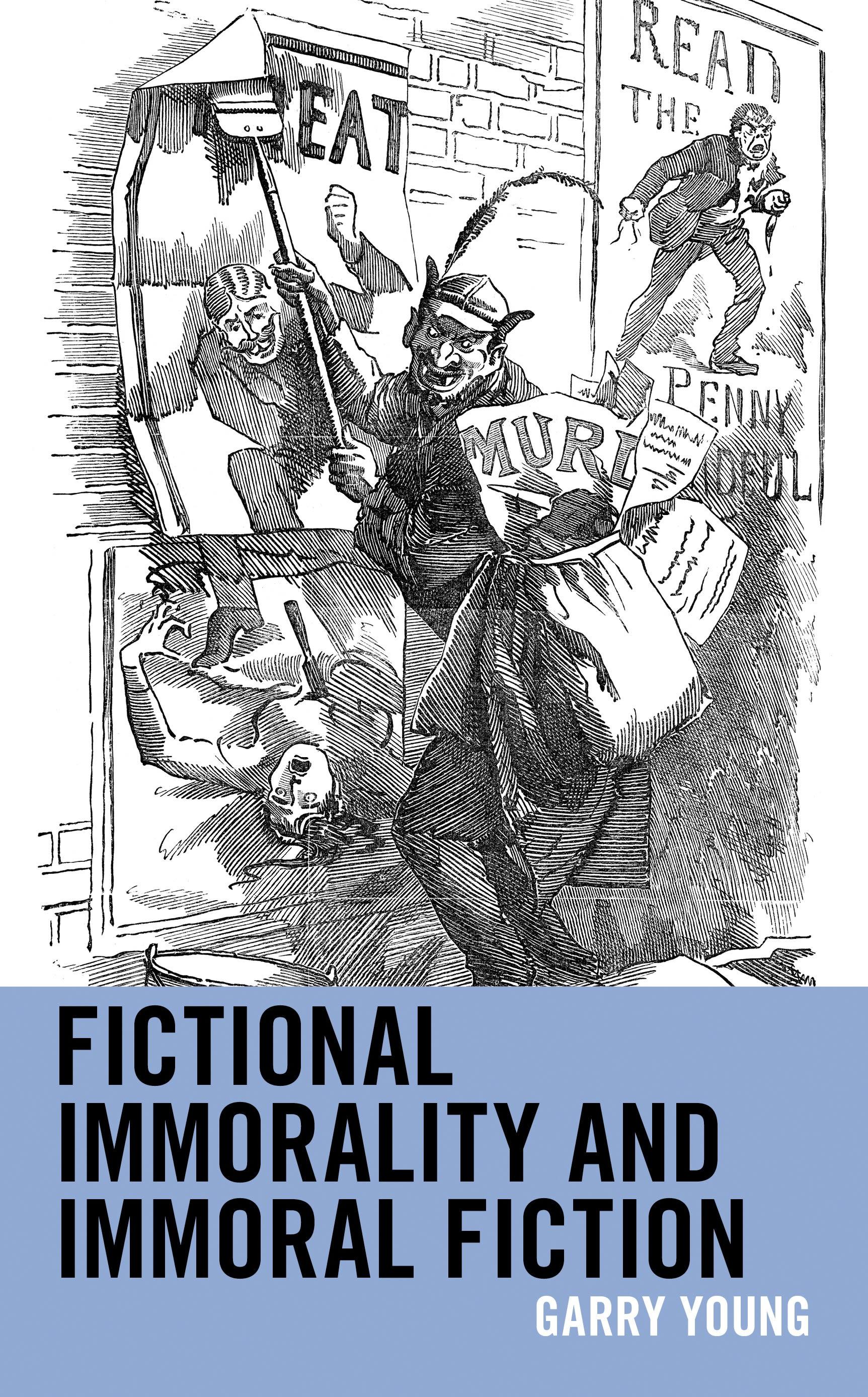
It is commonplace for fictional content to depict immoral activities: the kidnapping of a politician, for example, or the elaborate theft of a national treasure, or perhaps the gruesome proclivities of a sadistic murderer. These and similar depictions can be found across a range of media, and in varying degrees of detail and realism. Fictional Immorality and Immoral Fiction examines potential conditions for transforming fictional immorality into immoral fiction, in order to establish what makes a depiction of fictional immorality and/or one’s engagement with it immoral. To achieve this aim, Garry Young analyzes fictional content, its meaning, one’s motivation for engaging with it, and the medium in which the fiction is presented (such as film, literature, theatre, video games) using philosophical inquiry. The end result is a systematic examination of fictional immorality, which contributes toward debates on the morality of depicting and engaging with fictional immorality, as well as the reach of censorship and other forms of prohibition, especially when the act depicted is of the kind that would be most egregious if carried out in reality.
Paga facilmente con carta, Klarna, Apple Pay o Google Pay. Non sei soddisfatto? Hai sempre 14 giorni per il rimborso. Leggi di più nei nostri termini. Per qualsiasi domanda, scrivici a hello@memmo.org.
Memmo rende lo studio più facile, ovunque tu sia nel mondo. Qui trovi i tuoi libri di testo e strumenti di studio intelligenti, tutto in un unico posto: riassunti, quiz, podcast e flashcard. E poi c'è Ted, il tuo compagno di studio che risponde a ogni tua domanda. Oltre 50.000 studenti studiano già qui: è stato creato per aiutarti a imparare più velocemente e a stressarti meno.