
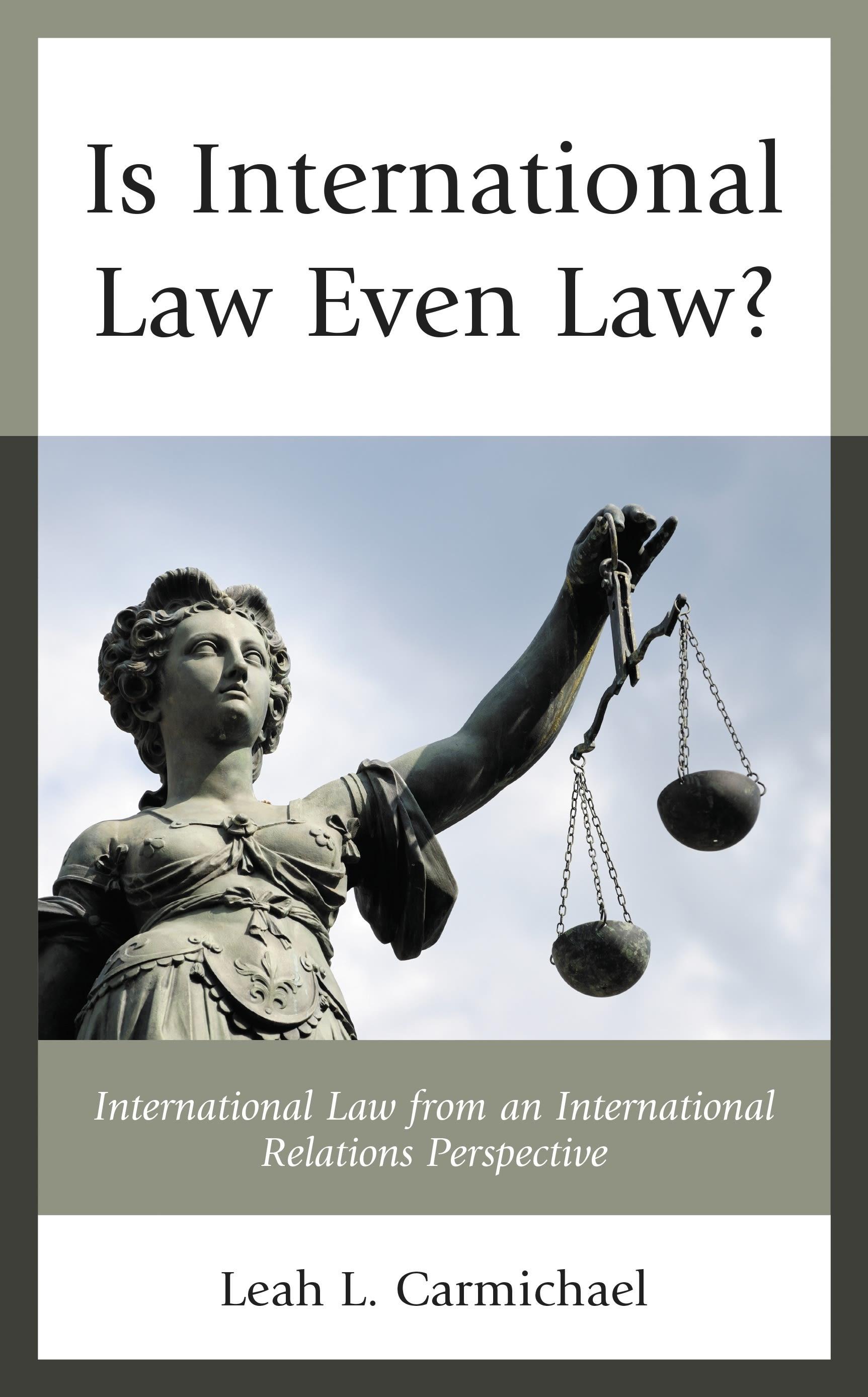
International law is so fundamentally distinct from domestic law that some even question whether it is the law at all. Unlike domestic law, in which the state can create, enforce, and interpret the laws, there is no higher authority above states in international law. As a result, states serve as both creators, enforcers, and adjudicators of international law and are subject to it. Most confoundingly, even though there is no higher authority than states in the international system, states tend to comply with international law most of the time. Further, when they do violation international law, they go to great lengths to defend their actions as within compliance with the law. To understand when and why states treat international “law” as the law in our international system, one must understand both the components of a sound legal argument and the political motivations shaping how laws are created, when they are followed, and when they are ignored.
Paga facilmente con carta, Klarna, Apple Pay o Google Pay. Non sei soddisfatto? Hai sempre 14 giorni per il rimborso. Leggi di più nei nostri termini. Per qualsiasi domanda, scrivici a hello@memmo.org.
Memmo rende lo studio più facile, ovunque tu sia nel mondo. Qui trovi i tuoi libri di testo e strumenti di studio intelligenti, tutto in un unico posto: riassunti, quiz, podcast e flashcard. E poi c'è Ted, il tuo compagno di studio che risponde a ogni tua domanda. Oltre 50.000 studenti studiano già qui: è stato creato per aiutarti a imparare più velocemente e a stressarti meno.