
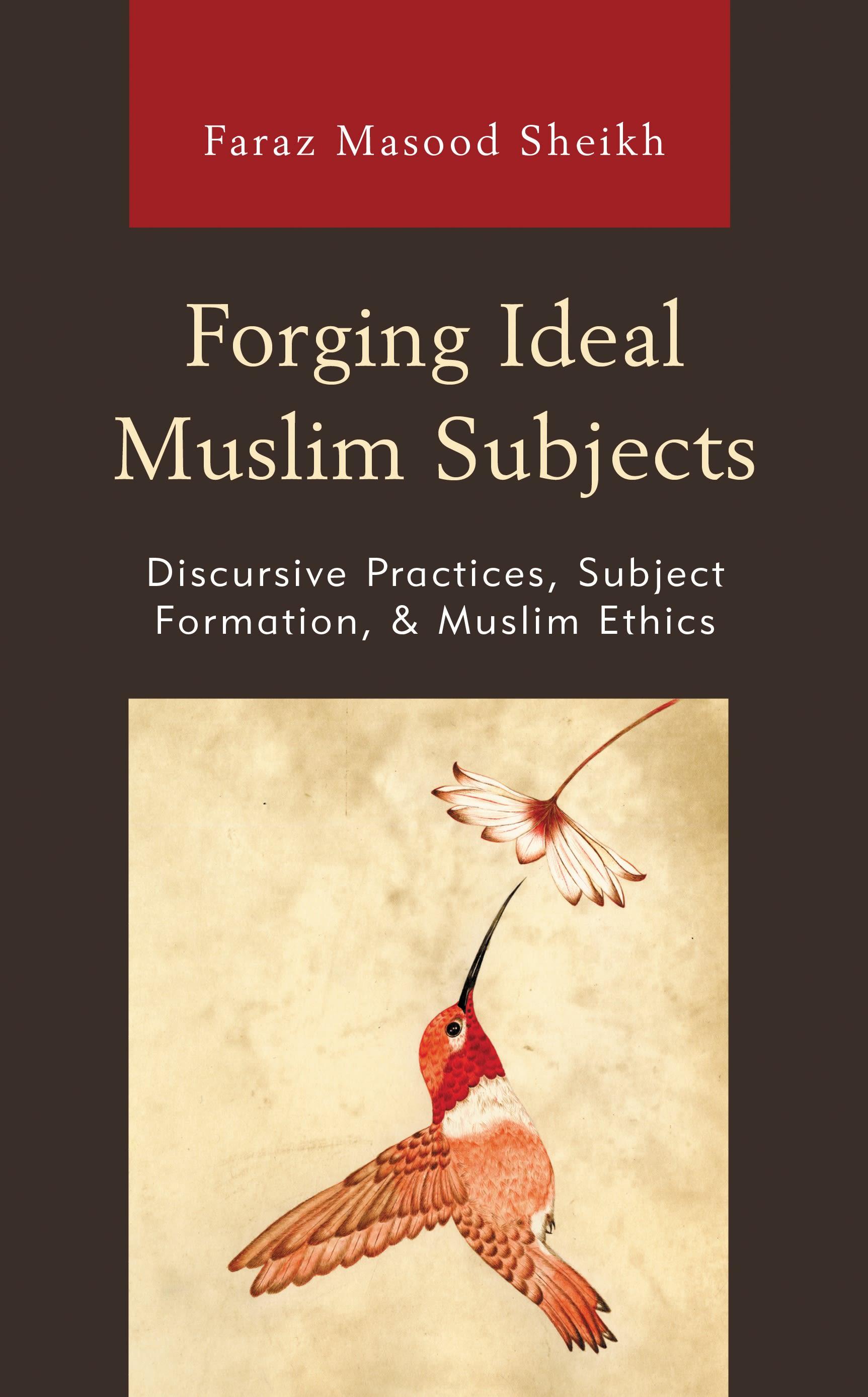
What forms can a religiously informed, ethical Muslim life take? This book presents two important accounts of ideal Muslim subjectivity, one by 9th century moral pedagogue, al-Harith al-Muhasibi (d. 857) and the other by 20th century Kurdish Quran scholar, Said Nursi (d. 1960). It reconstructs Muhasibi’s and Nursi’s accounts of ideal Muslim consciousness and analyzes the discursive practices implicated in its formation and expression. The book discusses the range of psychic states and ethical relations that Muhasibi and Nursi consider critical for living an authentically Muslim life. It highlights the importance of discursive practices in Muslim religious and moral self-production. The author draws on Foucault's insights about ethics and practices of self-care to examine familiar Muslim discourses in ways that enrich contemporary conversations about identity, individuality, community, authority, moral agency and virtue in the fields of religious studies, Islamic studies and Muslim ethics. The book deepens our understanding of the fluidity and fragility of both the more familiar, obligation-centered ethics in Islamic thought and the less familiar, belief-centered modes of religio-moral being.
Pagine: 198
Categoria: Religion & Teologi
e-ISBN: 9781793620132
Peso di spedizione: 1.2 kg
Spedito in: 1-2 giorni
Paga facilmente con carta, Klarna, Apple Pay o Google Pay. Non sei soddisfatto? Hai sempre 14 giorni per il rimborso. Leggi di più nei nostri termini. Per qualsiasi domanda, scrivici a hello@memmo.org.
Memmo rende lo studio più facile, ovunque tu sia nel mondo. Qui trovi i tuoi libri di testo e strumenti di studio intelligenti, tutto in un unico posto: riassunti, quiz, podcast e flashcard. E poi c'è Ted, il tuo compagno di studio che risponde a ogni tua domanda. Oltre 50.000 studenti studiano già qui: è stato creato per aiutarti a imparare più velocemente e a stressarti meno.