
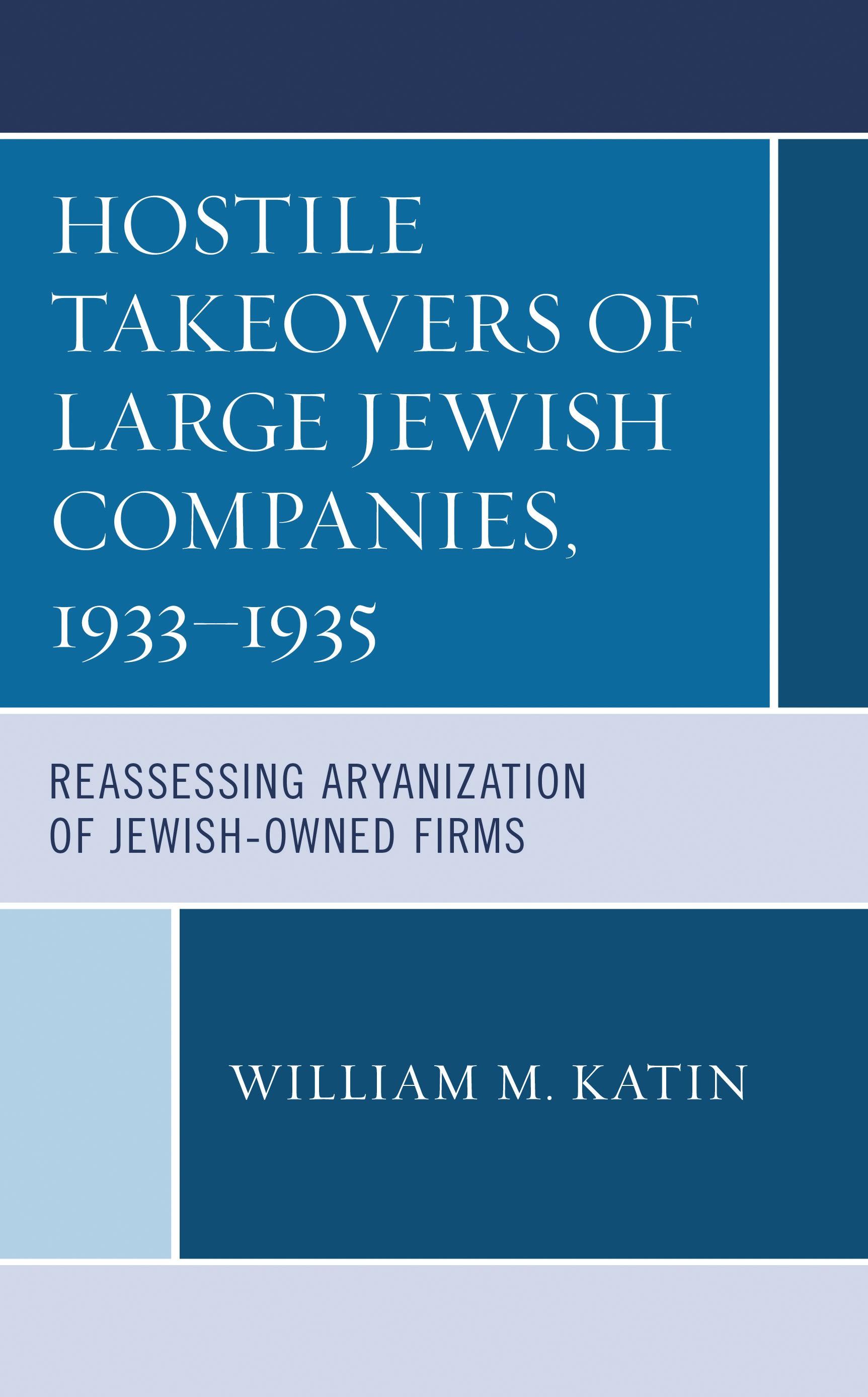
Opportunism combined with anti-Semitism led non-Nazi businessmen to acquire the largest German-Jewish companies in the period 1933–1935. These hostile takeovers were made possible by the Deutsche Bank and Dresdner Bank, which recalled loans previously extended to Jewish firms. Thereby Germany's largest banks obtained new loan fees, new supervisory board seats and became the house banks for the new Gentile-owned firms. The German judiciary did not defend Jewish property rights, because judges shared the same conservative mindset. Scholarship has previously not discovered this 1933–1935 paradigm because of a focus on Berlin government or Nazi Party actions, instead of the Jewish companies. In addition, a failure to distinguish between multi-million dollar enterprises and tiny shops caused scholars to emphasize the year 1938, when thousands of mom-and-pop shops became bankrupt.
Paga facilmente con carta, Klarna, Apple Pay o Google Pay. Non sei soddisfatto? Hai sempre 14 giorni per il rimborso. Leggi di più nei nostri termini. Per qualsiasi domanda, scrivici a hello@memmo.org.
Memmo rende lo studio più facile, ovunque tu sia nel mondo. Qui trovi i tuoi libri di testo e strumenti di studio intelligenti, tutto in un unico posto: riassunti, quiz, podcast e flashcard. E poi c'è Ted, il tuo compagno di studio che risponde a ogni tua domanda. Oltre 50.000 studenti studiano già qui: è stato creato per aiutarti a imparare più velocemente e a stressarti meno.