
A 2022 Choice Reviews Outstanding Academic Title
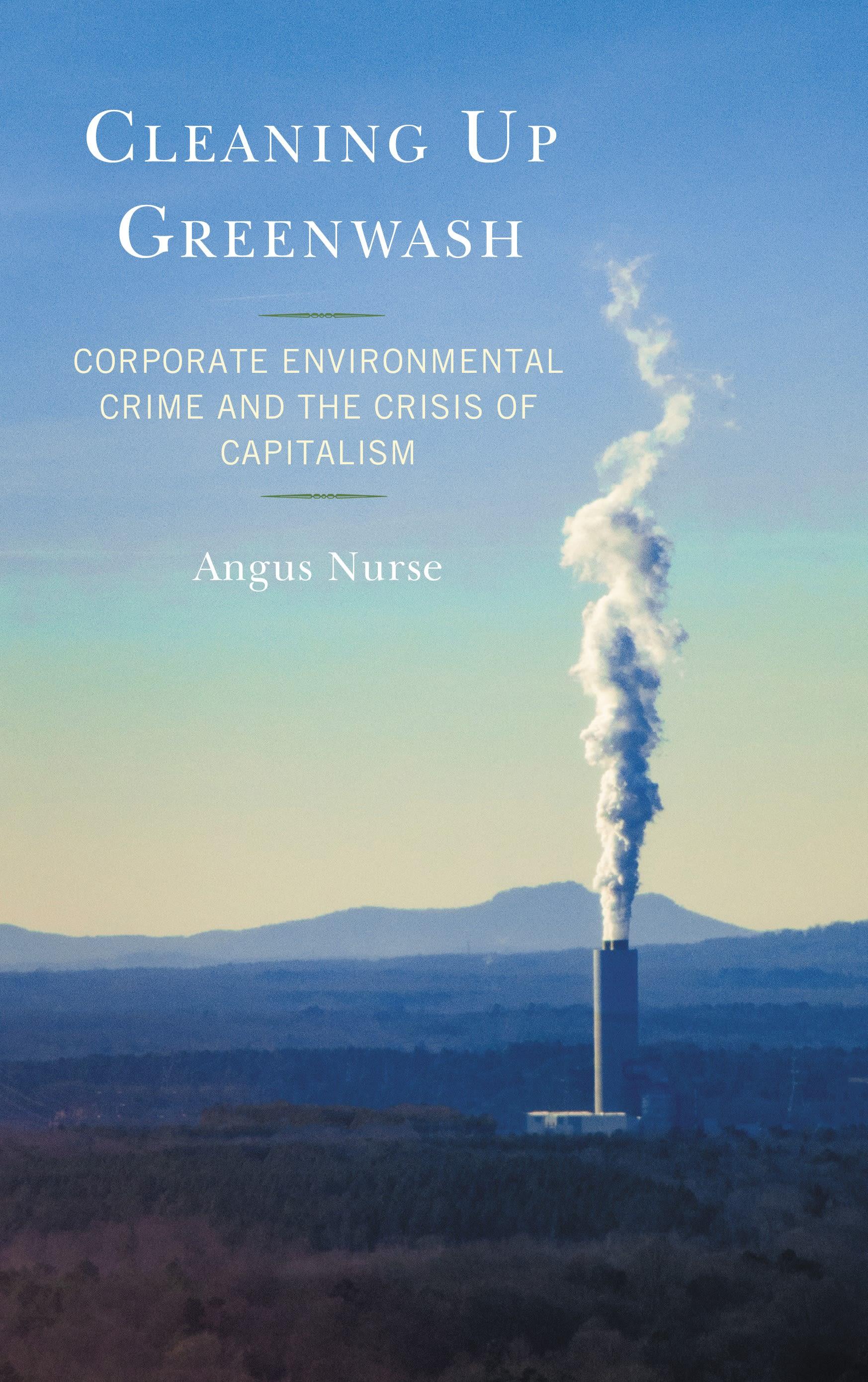
Through a green criminological perspective, Angus Nurse examines the contemporary reality of corporate environmental crime and illegal activities that have become normalized within many major corporations. Arguably this is an inevitable consequence of a corporate culture that prioritizes profits and the smooth operation of market activities over environmental concerns coupled with the increased political power of major corporations that can act almost with impunity and where problems do occur, can literally buy itself out of trouble. These same corporations are broadly perceived as being responsible actors. However, Nurse argues that corporate environmental offending is often deliberate and that corporations understand that they will often be allowed to continue with polluting and non-compliant behavior because the likely enforcement responses are fines and settlements rather than criminal prosecution. Using several case studies, Nurse explores biopiracy and the rights of indigenous peoples, the behavior of oil companies in African states, the regulation of corporate social responsibility and corporate environmental responsibility, an analysis of contemporary environmental legislation and the prosecution of environmental harm, and state-corporate crime and air pollution. Dealing with these problems requires a wider notion of crime and wrongdoing that directly engages with the types of environmental offending that represent a threat to human populations and non-human nature irrespective of whether these are defined as crime by justice systems.
Through a green criminological perspective, Angus Nurse examines the contemporary reality of corporate environmental crime and illegal activities that have become normalized within many major corporations. Arguably this is an inevitable consequence of a corporate culture that prioritizes profits and the smooth operation of market activities over environmental concerns coupled with the increased political power of major corporations that can act almost with impunity and where problems do occur, can literally buy itself out of trouble. These same corporations are broadly perceived as being responsible actors. However, Nurse argues that corporate environmental offending is often deliberate and that corporations understand that they will often be allowed to continue with polluting and non-compliant behavior because the likely enforcement responses are fines and settlements rather than criminal prosecution. Using several case studies, Nurse explores biopiracy and the rights of indigenous peoples, the behavior of oil companies in African states, the regulation of corporate social responsibility and corporate environmental responsibility, an analysis of contemporary environmental legislation and the prosecution of environmental harm, and state-corporate crime and air pollution. Dealing with these problems requires a wider notion of crime and wrongdoing that directly engages with the types of environmental offending that represent a threat to human populations and non-human nature irrespective of whether these are defined as crime by justice systems.
Paga facilmente con carta, Klarna, Apple Pay o Google Pay. Non sei soddisfatto? Hai sempre 14 giorni per il rimborso. Leggi di più nei nostri termini. Per qualsiasi domanda, scrivici a hello@memmo.org.
Memmo rende lo studio più facile, ovunque tu sia nel mondo. Qui trovi i tuoi libri di testo e strumenti di studio intelligenti, tutto in un unico posto: riassunti, quiz, podcast e flashcard. E poi c'è Ted, il tuo compagno di studio che risponde a ogni tua domanda. Oltre 50.000 studenti studiano già qui: è stato creato per aiutarti a imparare più velocemente e a stressarti meno.