
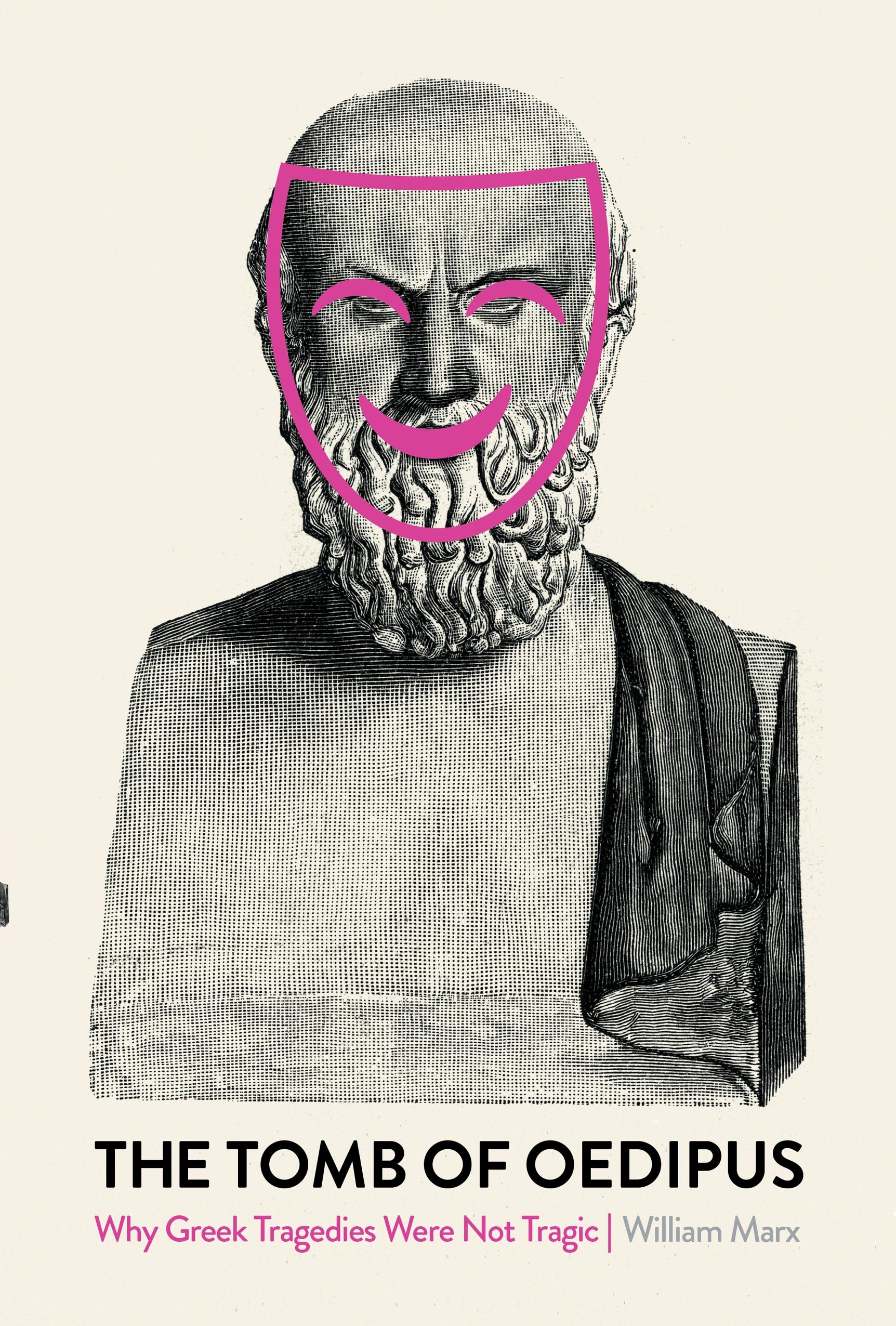
If Greek tragedies are meant to be so tragic, why do they so often end so well? Here starts the story of a long and incredible misunderstanding. Out of the hundreds of tragedies that were performed, only 32 were preserved in full. Who chose them and why? Why are the lost ones never taken into account? This extremely unusual scholarly book tells us an Umberto Eco-like story about the lost tragedies. By arguing that they would have given a radically different picture, William Marx makes us think in completely new ways about one of the major achievements of Western culture. In this very readable, stimulating, lively, and even sometimes funny book, he explores parallels with Japanese theatre, resolves the enigma of catharsis, sheds a new light on psychoanalysis. In so doing, he tells also the story of the misreadings of our modernity, which disconnected art from the body, the place, and gods. Two centuries ago philosophers transformed Greek tragedies into an ideal archetype, now they want to read them as self-help handbooks, but all are equally wrong: Greek tragedy is definitely not what you think, and we may never understand it, but this makes it matter all the more to us.
Paga facilmente con carta, Klarna, Apple Pay o Google Pay. Non sei soddisfatto? Hai sempre 14 giorni per il rimborso. Leggi di più nei nostri termini. Per qualsiasi domanda, scrivici a hello@memmo.org.
Memmo rende lo studio più facile, ovunque tu sia nel mondo. Qui trovi i tuoi libri di testo e strumenti di studio intelligenti, tutto in un unico posto: riassunti, quiz, podcast e flashcard. E poi c'è Ted, il tuo compagno di studio che risponde a ogni tua domanda. Oltre 50.000 studenti studiano già qui: è stato creato per aiutarti a imparare più velocemente e a stressarti meno.
Potrebbe interessarti anche
Acquista il libro0